Tips to fix washing machine making loud noise when spinning
Tips to fix washing machine making loud noise when spinning
Unsettling Simulation Shows What Really Happens When You Crack Your Knuckles
Cracking your knuckles is a habit many people have. Some do it out of boredom, others say it helps relieve tension in their fingers. While many people have heard warnings that this habit could damage the joints or cause arthritis, scientists have spent years trying to understand what actually happens inside the body when that familiar “pop” sound occurs.
Recent simulations and imaging studies have revealed fascinating details about the process happening inside your joints when you crack your knuckles.
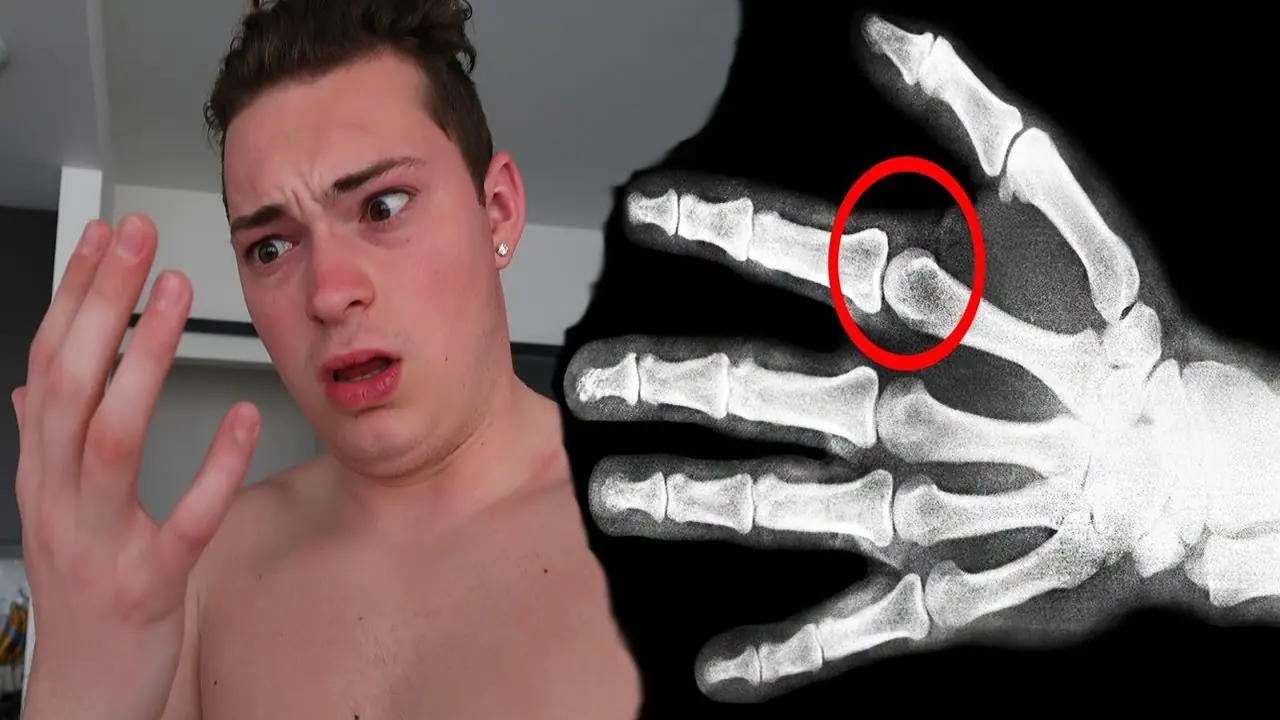
Your finger joints contain a slippery substance called synovial fluid, which helps lubricate the joint and allows bones to move smoothly against each other. This fluid also contains small amounts of dissolved gases such as nitrogen and carbon dioxide.
When you stretch or pull your fingers to crack a knuckle, the joint surfaces suddenly move apart. This increases the space inside the joint and causes the pressure in the synovial fluid to drop rapidly. As the pressure decreases, gas bubbles quickly form inside the fluid, creating the cracking sound.
Scientists often describe this process as similar to forming a small vacuum inside the joint.
In a well-known study published in the journal PLOS ONE, researchers used real-time MRI imaging to watch a finger joint while it was being cracked. They found that the cracking occurs in less than a second when a cavity (a gas-filled bubble) suddenly forms inside the joint fluid.
Interestingly, the bubble does not burst immediately as previously believed. Instead, it gradually dissolves back into the fluid over time.
This also explains why you usually cannot crack the same knuckle again right away. It typically takes around 20–30 minutes for the gas to dissolve and for another bubble to form.
Another study published in Scientific Reports created a mathematical model of knuckle cracking and concluded that the sound likely comes from the rapid collapse of a cavitation bubble, which releases energy and produces the familiar popping noise.
Even though the event happens extremely quickly, the release of pressure can produce a surprisingly loud sound.
For decades, many people believed cracking knuckles could lead to arthritis. However, current research has found no strong evidence that habitual knuckle cracking causes long-term joint damage.
In one study using ultrasound imaging, researchers observed people cracking their knuckles and found that the joints appeared normal with no signs of injury.
Some people may experience temporary swelling or reduced grip strength if they crack their knuckles very frequently, but serious damage appears to be uncommon.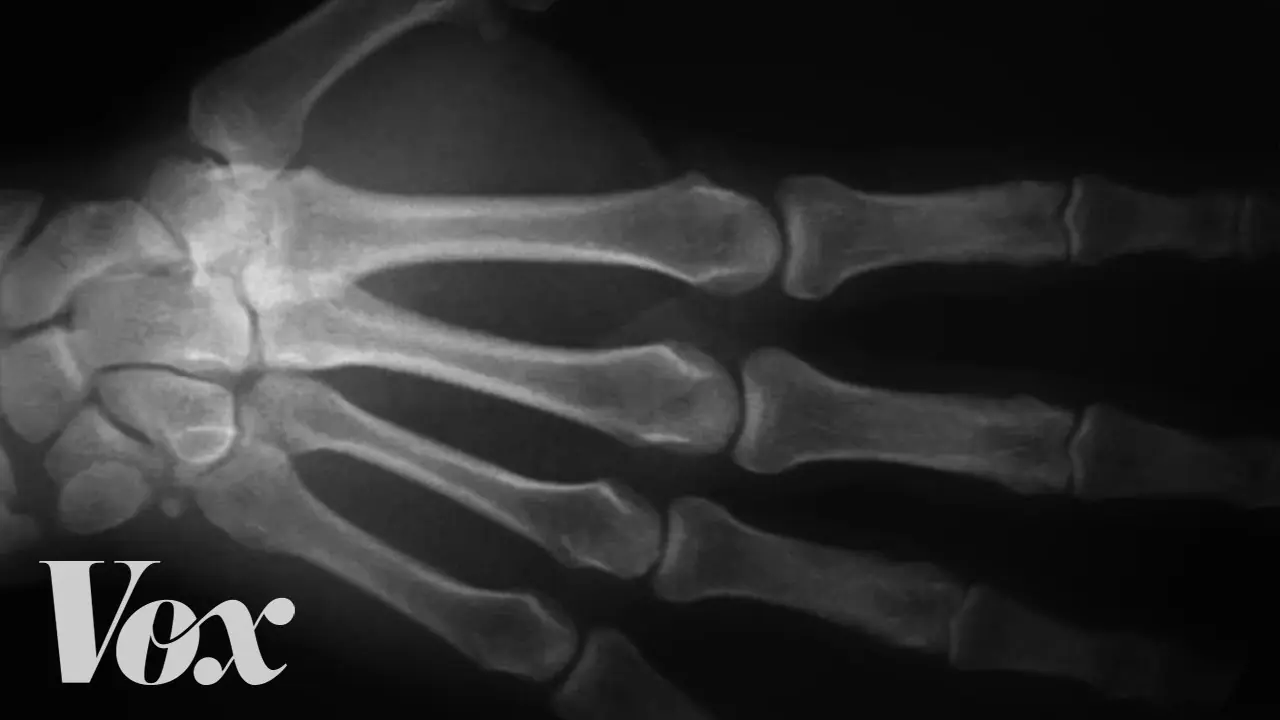
Scientists are not entirely sure why some individuals feel the urge to crack their knuckles. Possible reasons include:
Relief from joint pressure
Habit or stress relief
A slight increase in joint mobility after cracking
In fact, some studies suggest joints may briefly gain a slightly greater range of motion after they crack.
Simulations and medical imaging have finally given scientists a clear look at what happens when you crack your knuckles. The familiar popping sound is caused by rapid pressure changes inside the joint that create gas bubbles in the synovial fluid.
While the sound may seem dramatic, current research suggests the habit is generally harmless when done gently. However, forcing your joints or applying too much pressure could still lead to injury.
Tips to fix washing machine making loud noise when spinning

Do NOT say these things when someone passes away, especially not the 4th
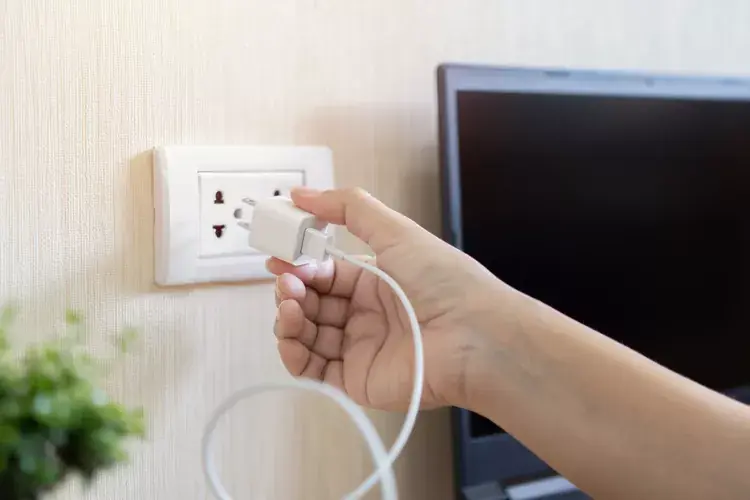
Devices to Disconnect When Thunderstorms Occur

Why It’s Safer to Avoid Using Plumbing During Thunder and Lightning?

Simple Ways to Protect Your Eyes From Screen Blue Light
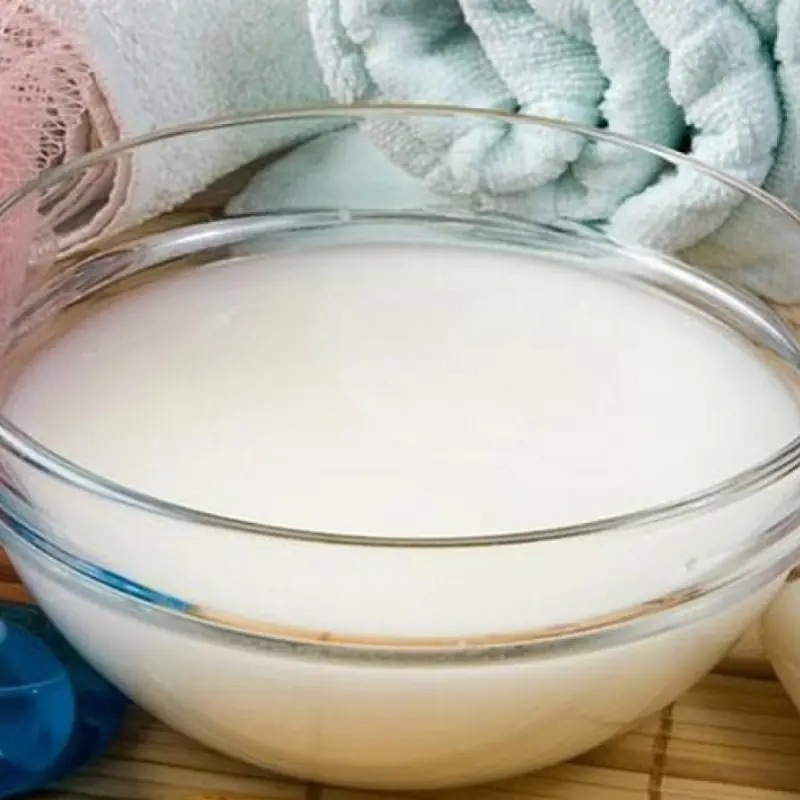
Rice water may offer surprising uses for hair, plants, and home care.
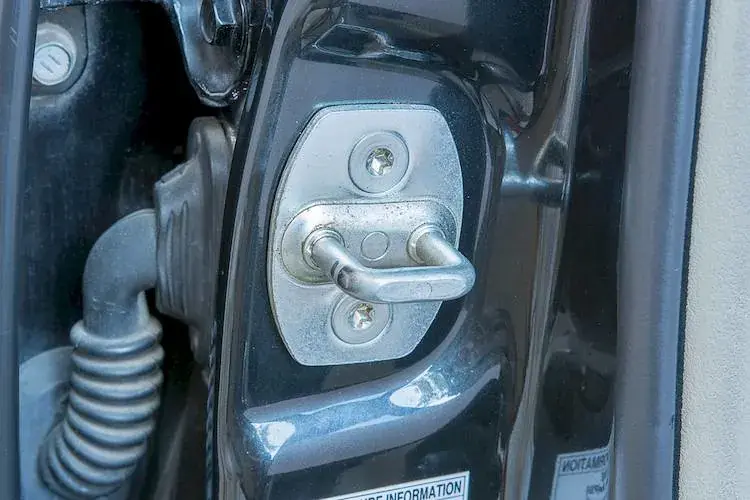
Most drivers don't know the purpose of the car door hook: 3 secret uses
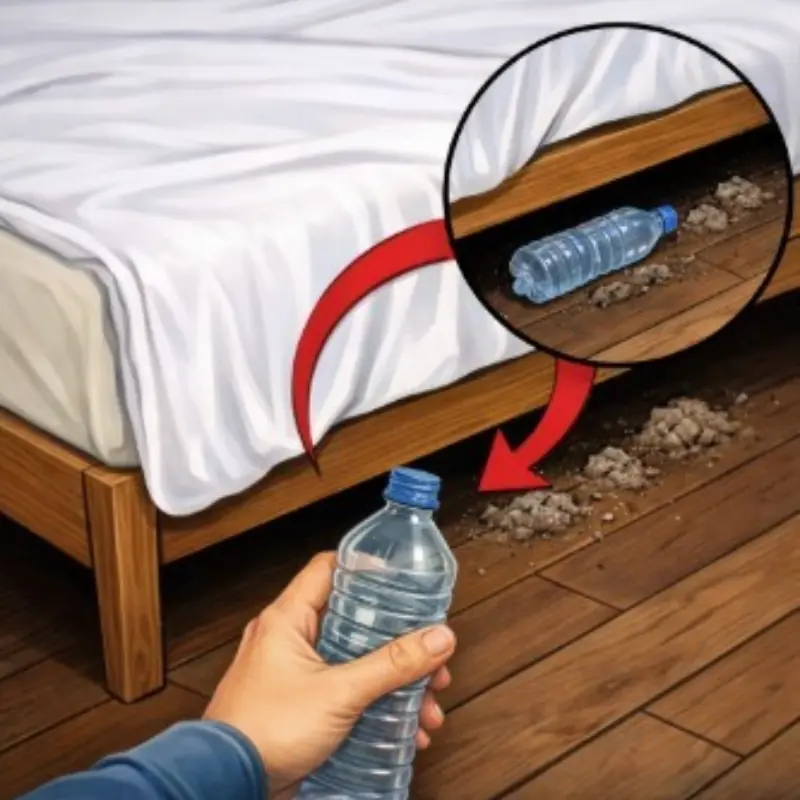
A simple trick with a water bottle can improve hotel safety.
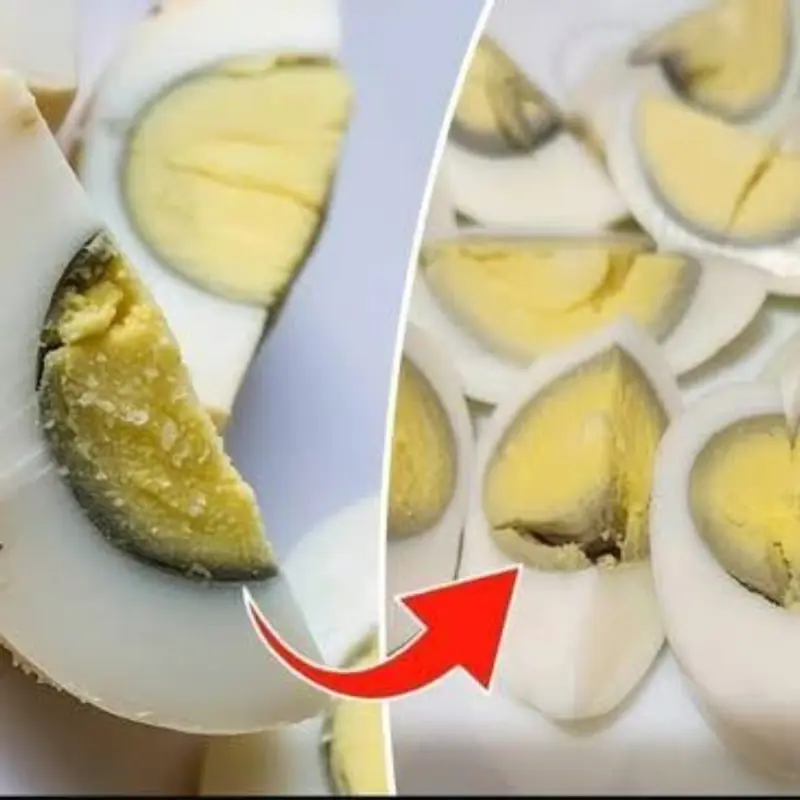
A green ring on boiled egg yolks is common and usually harmless.

9 out of 10 people can’t spot the mistake in this hospital picture—can you?

What Is the Purpose of Water Bottles Placed Around Homes in Japan?

These 5 Warning Signs Could Reveal If Your Husband Is Being Unfaithful

Most People Think It Means Belly Rubs… But It Doesn’t

Experienced Shoppers Always Check This Part of the Shrimp
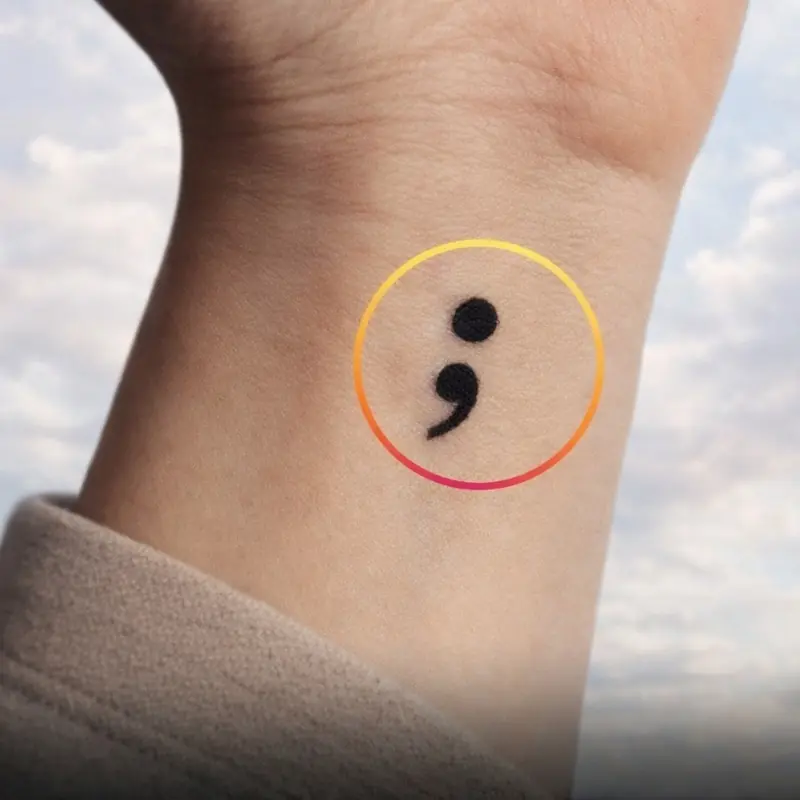
The semicolon tattoo carries a powerful message of hope and survival.

More Than 90% of iPhone Users:

Should You Leave the Bathroom Door Open After Using It?
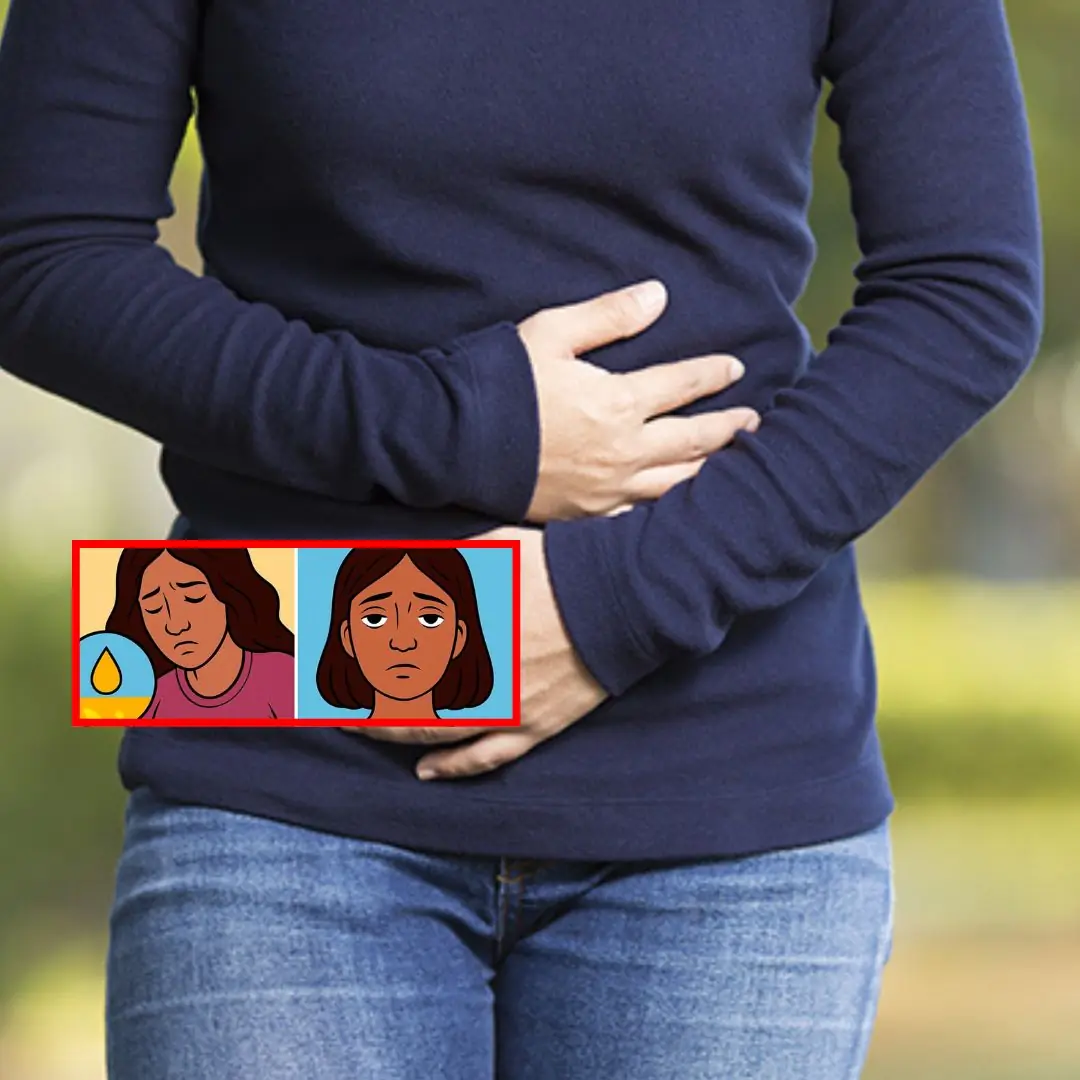
8 Early Signs of Cervical Cancer That Often Go Unnoticed

Why Do Hotels Use White Bed Linens?

Doctor Warns of 3 Common Bedtime Habits That May Harm Stomach Health
Scientists May Have Found a Clue Behind the Unexplained Rise of Colon Cancer in Young People

Sleep Doctors Warn: Avoid This One Morning Mistake to Protect Your Sleep Schedule

Potatoes Can Be Healthy, But They May Not Be Suitable for Everyone

Bread Can Be Healthy, but These 5 People Should Be Careful Eating It

Before You Eat Sweet Potatoes, Here Are 8 Important Facts You Should Know

Scientists Identify a Possible Factor Related to Autism Development
Tips to fix washing machine making loud noise when spinning

How to Know Whether the Honey You Buy Is Pure or Fake
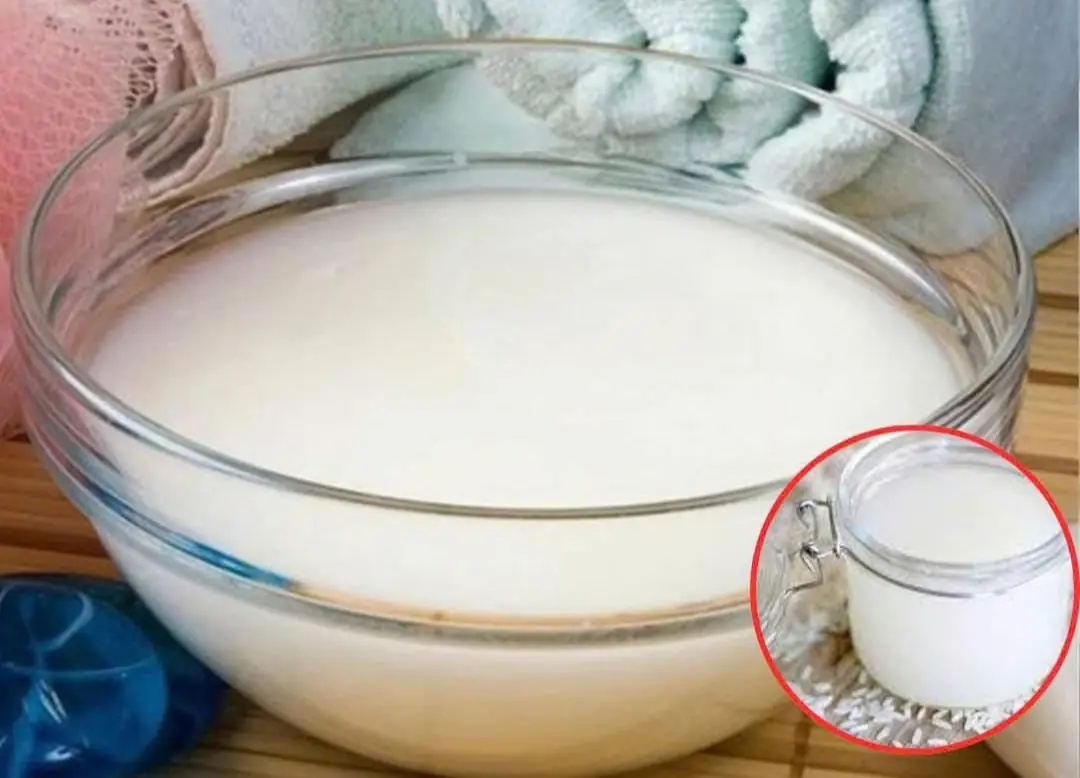
Rice water is like "pure gold" in your home if you know how to use it for these things
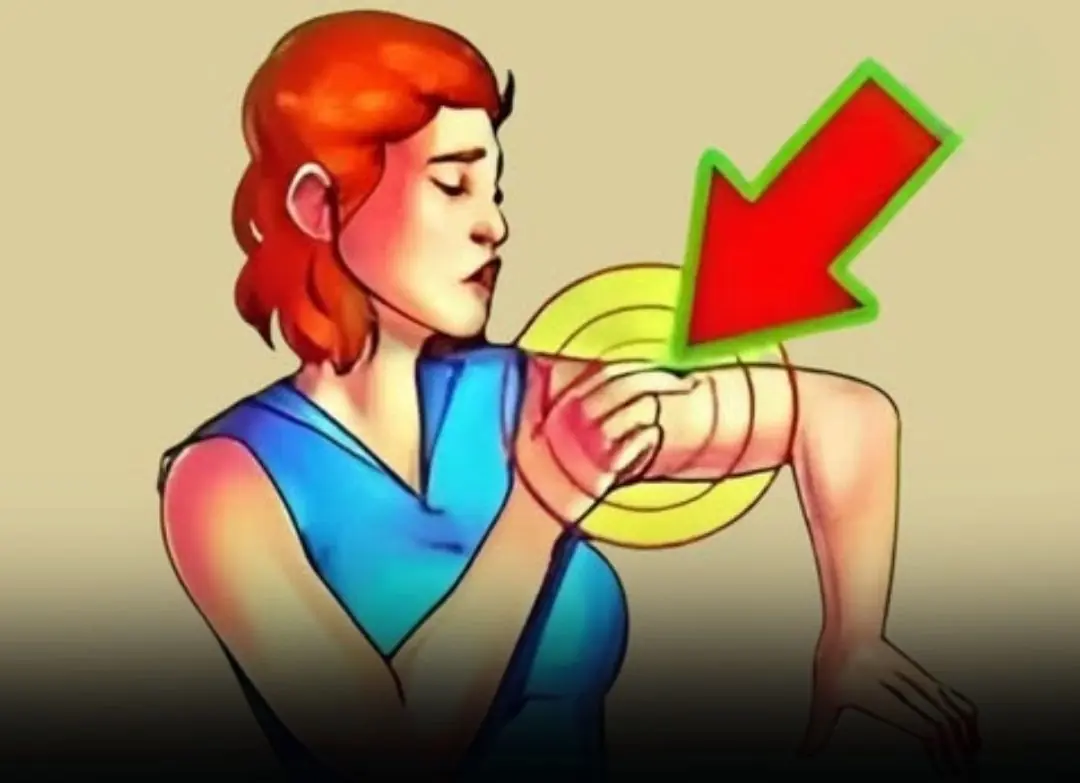
Don’t Ignore These 5 Mini - Stro:ke Warning Signs in the Elderly
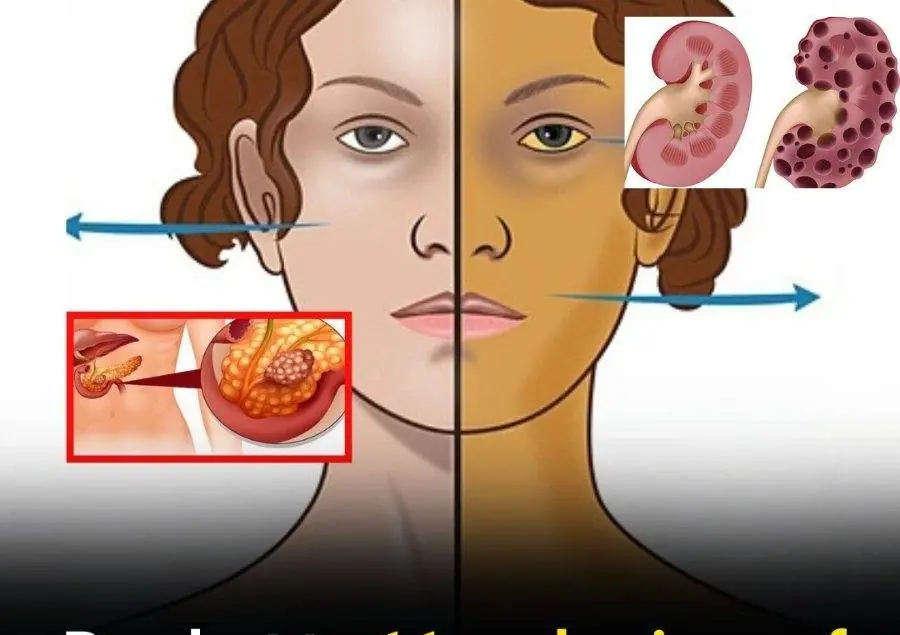
11 Warning Signs You Shouldn’t Ignore
Do NOT say these things when someone passes away, especially not the 4th
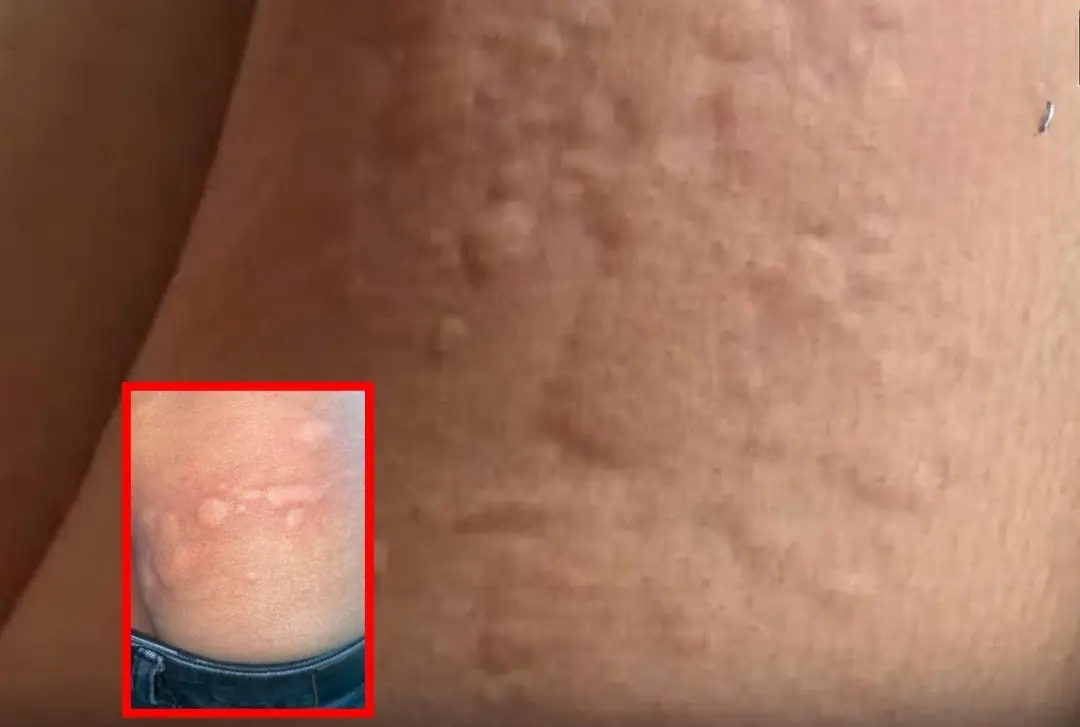
He thought the itching all over his body was an allergic reaction — until doctors discovered the real cause

Eggs should absolutely not be eaten with these 6 pairings.

Experts say the best time for coffee may not be right after waking.
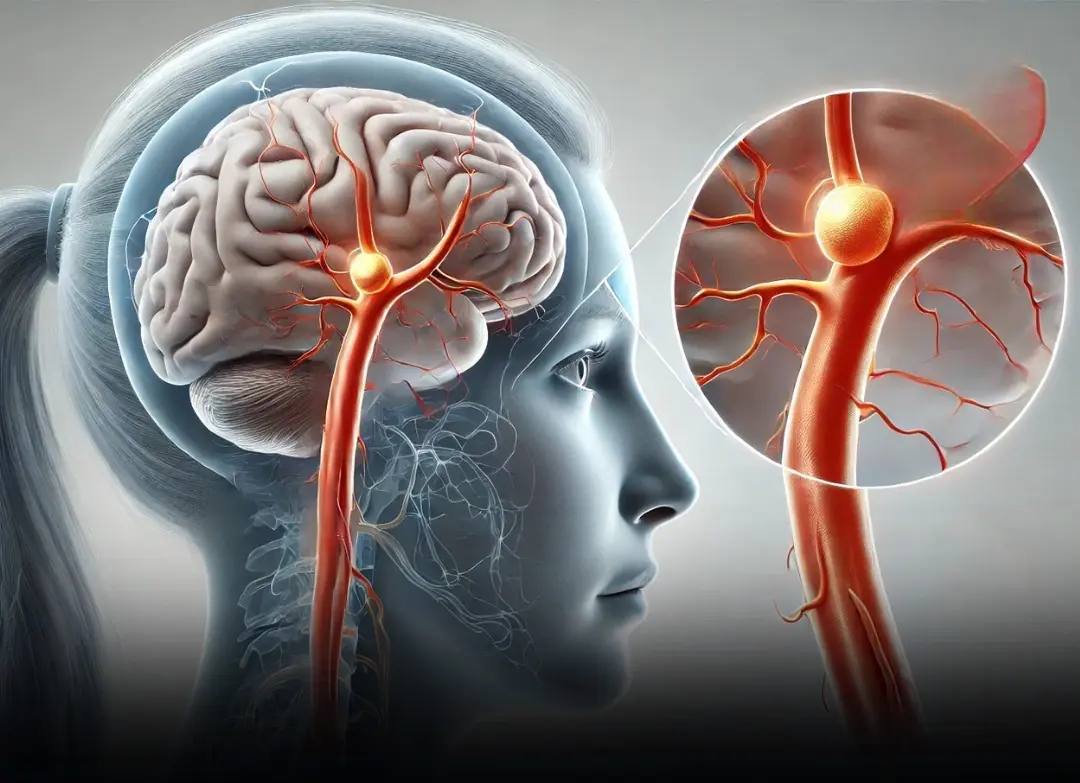
Aneurysm Warning: Symptoms That Could Save Your Life

Discover 3 Powerful Fruits That Help Combat Fatty Liver, Control Blood Sugar, and Lower Cholesterol 👇 Recipes Included
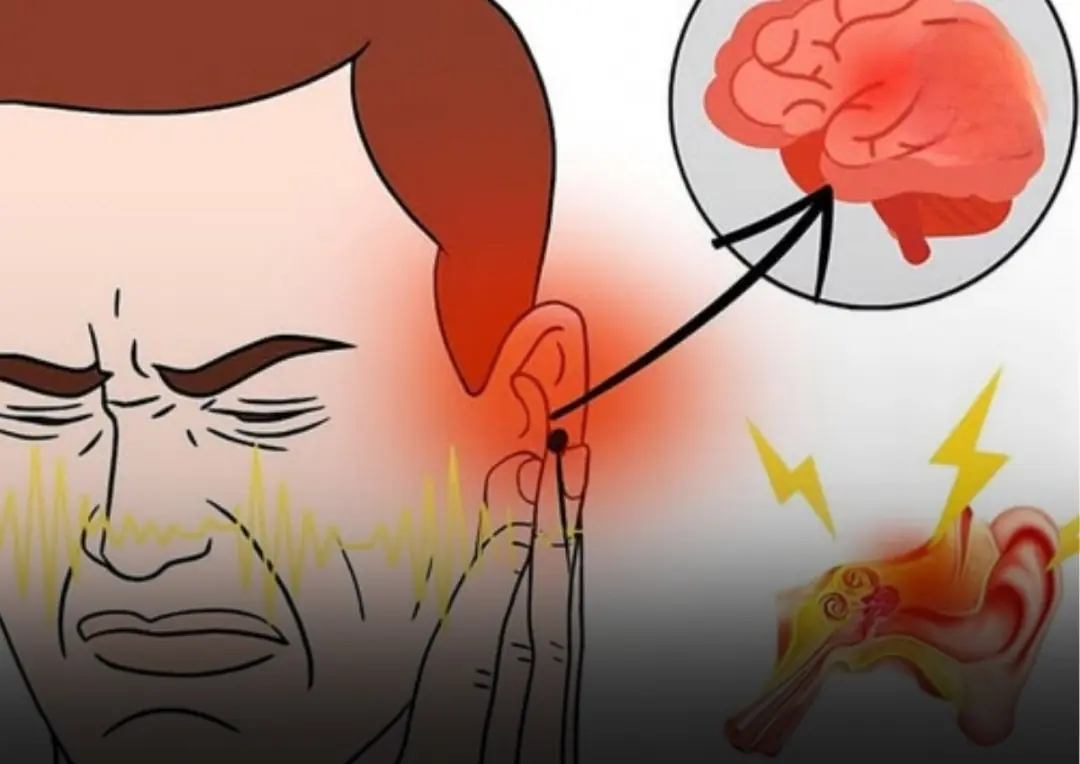
If you hear ringing in your ear, this is a sign that you will suffer from...