8 Unusual Signs That May Indicate Cervical Cancer Women Should Know Early
Cervical cancer develops in the cells of the cervix, the lower part of the uterus that connects to the vagina. In its early stages, it often causes very few noticeable symptoms. That is why regular screening and awareness of subtle warning signs are so important.
Many women associate cervical cancer with obvious symptoms, but in reality, the early signs can be unusual, mild, or easy to overlook. Recognizing these changes early may help women seek medical advice sooner and improve the chances of successful treatment.
Here are 8 unusual signs that may indicate cervical cancer that women should know.
1. Unusual Vaginal Bleeding

One of the most common early warning signs is abnormal vaginal bleeding.
This may include:
-
Bleeding between periods
-
Bleeding after sexual intercourse
-
Bleeding after menopause
-
Heavier or longer menstrual periods than usual
While many conditions can cause abnormal bleeding, persistent changes should always be checked by a healthcare professional.
2. Persistent Pelvic Pain
Pelvic discomfort that occurs frequently or lasts for a long time may be a sign that something is affecting the reproductive organs.
Women with cervical cancer sometimes experience:
-
Dull pelvic aches
-
Pressure in the lower abdomen
-
Pain that is not related to menstruation
If pelvic pain becomes persistent or unexplained, it should not be ignored.
3. Pain During Intercourse
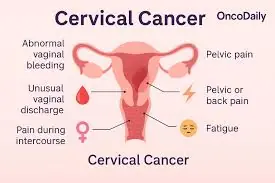
Pain or discomfort during sexual activity can sometimes be linked to inflammation or changes in the cervix.
Although this symptom can have many possible causes, ongoing pain during intercourse may warrant medical evaluation.
4. Unusual Vaginal Discharge
Changes in vaginal discharge may also be a warning sign.
Discharge that is:
-
Watery
-
Bloody
-
Thick or foul-smelling
-
Unusually heavy
could indicate a problem with cervical or vaginal health.
5. Lower Back Pain
Some women report persistent lower back pain that does not improve with rest or typical treatments.
When cervical cancer progresses, it may affect surrounding tissues and nerves, which can contribute to discomfort in the lower back or pelvic area.
6. Frequent Urination or Urinary Discomfort
If the cervix becomes enlarged or inflamed, it may place pressure on nearby organs such as the bladder.
This can sometimes lead to:
-
Frequent urination
-
Burning during urination
-
Difficulty emptying the bladder
Although these symptoms are often associated with urinary tract infections, they may also occur in certain gynecological conditions.
7. Unexplained Fatigue
Persistent fatigue that does not improve with rest may occur when the body is dealing with chronic illness or inflammation.
Some women with cervical cancer report ongoing tiredness, weakness, or low energy levels without a clear cause.
8. Swelling or Pain in the Legs
In more advanced cases, cervical cancer may affect nearby lymph nodes and blood vessels.
This can sometimes cause:
-
Swelling in one or both legs
-
Pain or heaviness in the legs
While this symptom can have other causes, it should be evaluated if it appears suddenly or persists.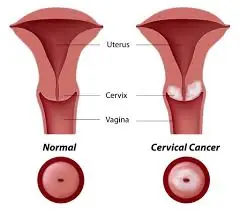
The Importance of Early Screening
Because early cervical cancer often produces few symptoms, regular screening is one of the most effective ways to detect it early.
Screening methods may include:
-
Pap tests
-
HPV testing
These tests can identify abnormal cells before they develop into cancer, allowing for early treatment.
Final Thoughts
Cervical cancer can sometimes develop quietly, which is why paying attention to unusual body changes is important.
Symptoms such as abnormal bleeding, pelvic pain, unusual discharge, or persistent fatigue should not be ignored if they continue over time.
Regular medical checkups, cervical screening, and awareness of early warning signs can play a key role in protecting women’s health. If any concerning symptoms appear, consulting a healthcare professional is the best step toward proper evaluation and care.