Shrimp is one of the most popular seafood ingredients around the world. It is widely used in many cuisines, from grilled shrimp and pasta dishes to soups and stir-fries. However, when preparing shrimp, many people notice a dark line running along the back of the shrimp. This black line often raises questions: what exactly is it, and is it safe to eat?
Understanding what this line is and how it affects cooking can help people prepare shrimp more confidently and enjoy their meals without concern.
What Is the Black Vein in Shrimp?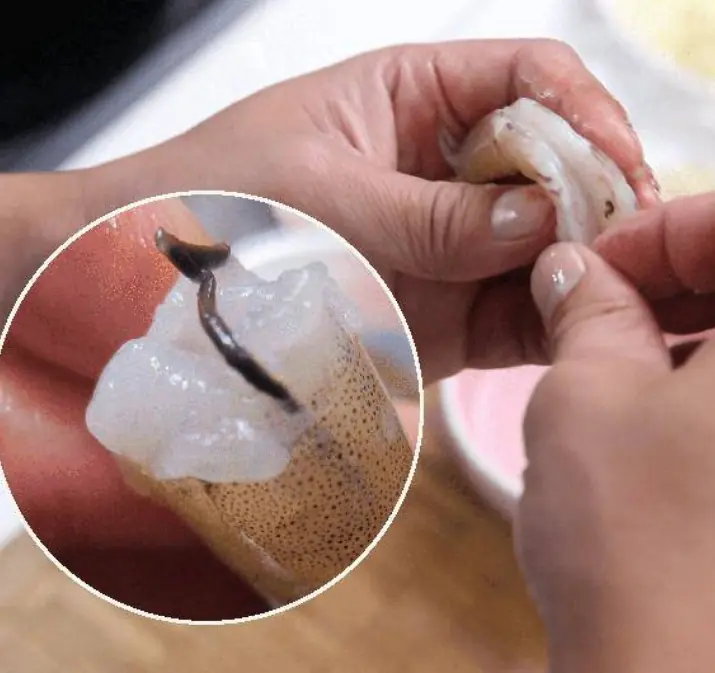
Despite being commonly called a “vein,” the black line in shrimp is actually not a vein at all. It is the shrimp’s digestive tract, sometimes referred to as the intestinal tract.
This dark line contains waste material that the shrimp has consumed during its life in the ocean or farm environment. Because shrimp feed on small organisms, algae, and particles found in the water, their digestive tract may contain sand, grit, or digested food.
The visibility of this line depends on several factors, including the shrimp species, its diet, and its size. In some shrimp, the line appears very thin and barely noticeable, while in others it can be thick and dark.
Is It Safe to Eat the Black Vein?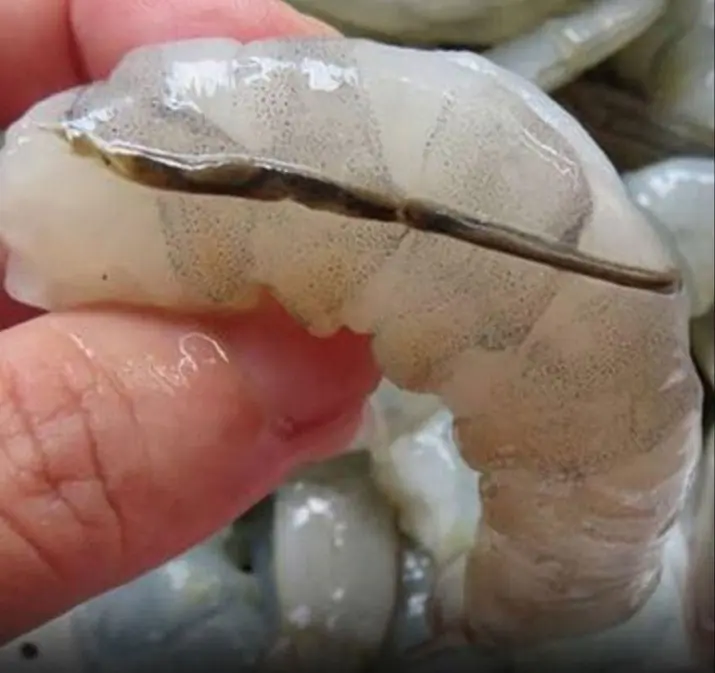
In most cases, the black digestive tract is not harmful if accidentally eaten. Cooking shrimp at proper temperatures typically kills bacteria that may be present. For this reason, consuming shrimp that has not been fully deveined usually does not pose serious health risks for healthy individuals.
However, the digestive tract may contain grit, sand, or waste material that can affect the texture and taste of the shrimp. Because of this, many chefs and home cooks prefer to remove it before cooking.
Removing the vein mainly improves the eating experience rather than addressing a major health concern.
Why Chefs Often Remove It
Professional chefs often devein shrimp for several reasons. The first is presentation. When shrimp are served whole or lightly cooked, the dark line can appear unappealing to diners.
The second reason is texture. The digestive tract may contain tiny particles of sand that can create a gritty sensation when eating the shrimp.
Finally, removing the vein can improve flavor. While the digestive tract is usually small, it may slightly affect the taste of the shrimp if it contains waste material.
For these reasons, deveining shrimp has become a common preparation step in many recipes.