When people think about the appliances that consume the most electricity in a home, air conditioners are usually the first thing that comes to mind. This assumption makes sense because air conditioning systems often run for long hours, especially during hot seasons, and they require significant power to cool indoor spaces.
However, many homeowners are surprised to learn that some other appliances can consume equal or even greater amounts of electricity than air conditioners, particularly when they are used frequently or left running for long periods. In many households, the biggest hidden electricity consumer is not always the air conditioner but rather the electric water heater.
Understanding how this appliance works and why it consumes so much electricity can help households manage their energy use more effectively and potentially reduce their electricity bills.
Why Electricity Consumption Matters
Electricity powers many aspects of modern life, from lighting and refrigeration to entertainment and cooking. While each device may seem small on its own, the combined energy usage of multiple appliances can significantly affect household electricity consumption.
Monitoring which appliances consume the most energy can help homeowners:
-
Reduce monthly electricity bills
-
Improve energy efficiency
-
Extend the lifespan of appliances
-
Reduce environmental impact
Often, the largest electricity consumers are not the devices we use most visibly, but rather the ones that operate quietly in the background.
The Electric Water Heater: A Major Energy Consumer
In many homes, the electric water heater is one of the biggest contributors to energy consumption.
Water heaters are designed to heat and maintain large volumes of water for daily activities such as:
-
Showering
-
Washing dishes
-
Doing laundry
-
Cleaning
Heating water requires a substantial amount of energy. Unlike many other appliances that run for short periods, water heaters may cycle on and off throughout the day to maintain the desired temperature.
Because of this constant operation, they can consume large amounts of electricity over time.
Why Water Heating Uses So Much Energy
Heating water requires significant energy because water has a high heat capacity. This means it takes a considerable amount of energy to raise its temperature.
When cold water enters the heater, the appliance must use electricity to heat the water to the set temperature. The heater may also continue to operate intermittently to keep the water hot even when it is not being used.
Several factors contribute to the high energy consumption of water heaters, including:
-
The size of the water tank
-
The temperature setting
-
Frequency of hot water use
-
Insulation quality
-
Age and efficiency of the appliance
In households with frequent hot water use, electricity consumption from water heaters can be especially high.

Other Appliances That Consume Significant Electricity
Although water heaters are often among the top energy users, several other household appliances also consume considerable electricity.
Refrigerators
Refrigerators operate continuously, running 24 hours a day to keep food cold. Although modern refrigerators are more energy-efficient than older models, their constant operation still contributes significantly to electricity usage.
Clothes Dryers
Electric clothes dryers require substantial energy to generate heat and circulate air through wet clothing. Frequent use of dryers can quickly increase household electricity consumption.
Electric Ovens and Stoves
Cooking appliances that rely on electricity to produce heat may also consume large amounts of power during use, particularly when baking or cooking for extended periods.
Dishwashers
Dishwashers often use electricity to heat water and dry dishes, which can add to overall energy consumption.
Hidden Energy Use: Standby Power
Another often overlooked source of electricity consumption is standby power, sometimes called "phantom energy."
Many electronic devices continue to draw small amounts of electricity even when they are turned off but still plugged in. These devices include:
-
Televisions
-
Gaming consoles
-
Chargers
-
Computers
-
Smart home devices
Although the energy used by each device may be small, the combined consumption of multiple electronics left on standby can add up over time.
How to Reduce Household Electricity Consumption
Reducing energy use does not necessarily require sacrificing comfort. Small changes in daily habits and appliance use can make a noticeable difference.
Here are some helpful strategies.
Adjust Water Heater Temperature
Lowering the water heater temperature slightly can reduce electricity consumption while still providing comfortable hot water for daily use.
Use Energy-Efficient Appliances
Modern appliances are often designed to use less energy than older models. Replacing outdated appliances with energy-efficient versions may help reduce electricity usage over time.
Limit Hot Water Use
Simple habits such as taking shorter showers, washing clothes with cold water when possible, and running full dishwasher loads can help reduce energy used for water heating.
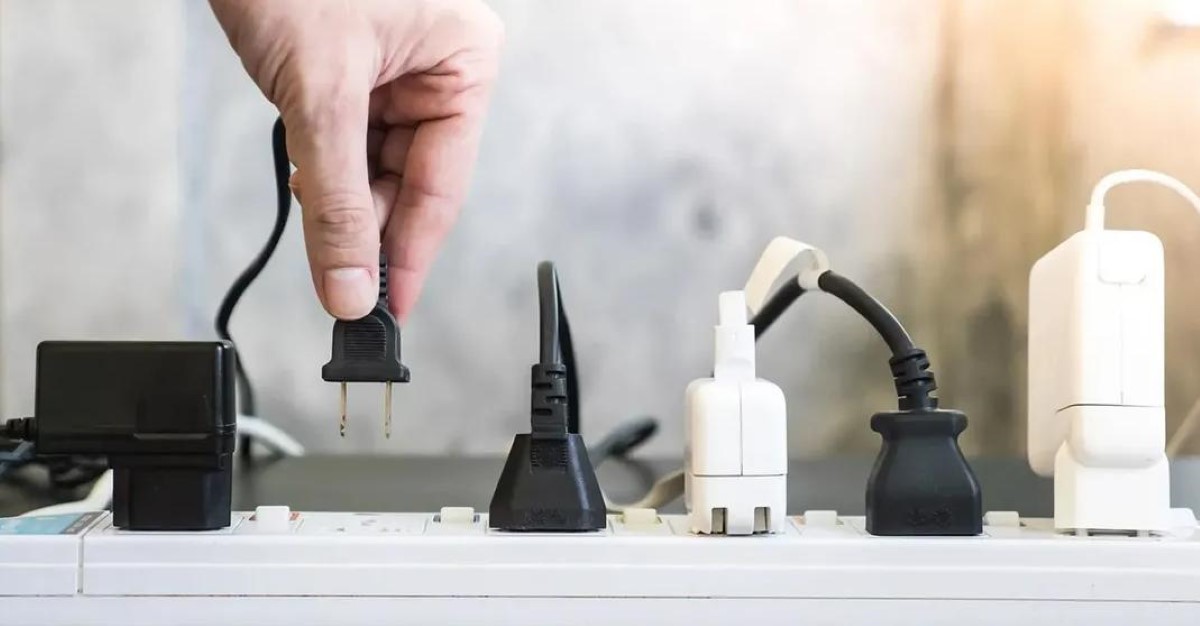
Unplug Unused Electronics
Disconnecting devices that are not in use can eliminate unnecessary standby power consumption.
Maintain Appliances Regularly
Proper maintenance helps appliances operate more efficiently. Cleaning refrigerator coils, checking water heater insulation, and ensuring ventilation systems are working properly can improve performance.
Why Energy Awareness Is Important
Understanding which appliances consume the most electricity helps homeowners make smarter decisions about energy use.
In many homes, the appliances that operate continuously or generate heat—such as water heaters, refrigerators, and dryers—are responsible for the majority of electricity consumption.
By identifying these energy-intensive devices and adjusting usage habits, households can manage electricity consumption more effectively.
Final Thoughts
While air conditioners are often blamed for high electricity bills, they are not always the biggest energy users in the home. Appliances such as electric water heaters may quietly consume even more electricity because of their constant operation and high energy requirements.
Becoming aware of hidden electricity consumers allows homeowners to make small but meaningful changes that improve energy efficiency.
With simple adjustments and mindful energy use, it is possible to reduce electricity consumption, lower utility costs, and create a more sustainable household environment.