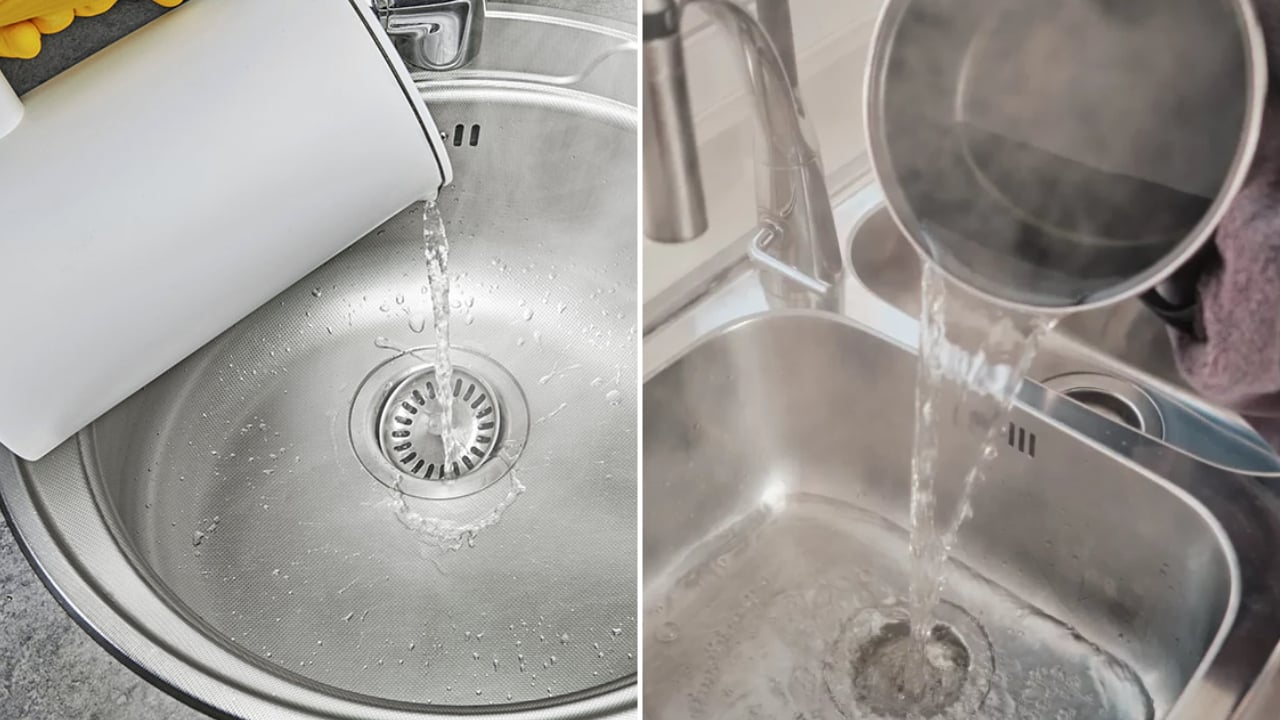
Many people believe that pouring hot water down the kitchen drain is a simple and effective way to keep pipes clean. Some even think it helps dissolve grease and prevents clogs. While this practice may seem harmless, it can actually create several hidden problems in your plumbing system over time. Understanding how hot water interacts with grease, food residue, and plumbing materials can help you protect your pipes and avoid costly repairs.
The Common Belief About Hot Water and Grease
One of the main reasons people pour hot water into the kitchen sink is the belief that it will dissolve grease. At first glance, this idea seems logical. Hot water can temporarily melt fats, oils, and grease, making them appear to disappear down the drain.
However, the problem occurs after the hot water cools down inside the pipes.
When the melted grease travels through the plumbing system and the temperature drops, the grease begins to solidify again. Instead of being washed away completely, it sticks to the inner walls of the pipes. Over time, these layers of grease accumulate and gradually narrow the passage through which water flows.
This buildup can eventually lead to slow drainage or even complete blockages.
How Grease Buildup Leads to Clogged Pipes
Kitchen drains often carry more than just water. Food particles, soap residue, and cooking oils frequently enter the pipes. When grease sticks to the pipe walls, it creates a sticky surface where other debris can easily attach.
As this material accumulates, it forms a thick mass that restricts water flow. The process usually happens gradually, which means you may not notice the problem until the drain starts to slow down or emit unpleasant odors.
In severe cases, grease buildup can lead to serious blockages that require professional plumbing services to remove.
Potential Damage to Certain Plumbing Materials
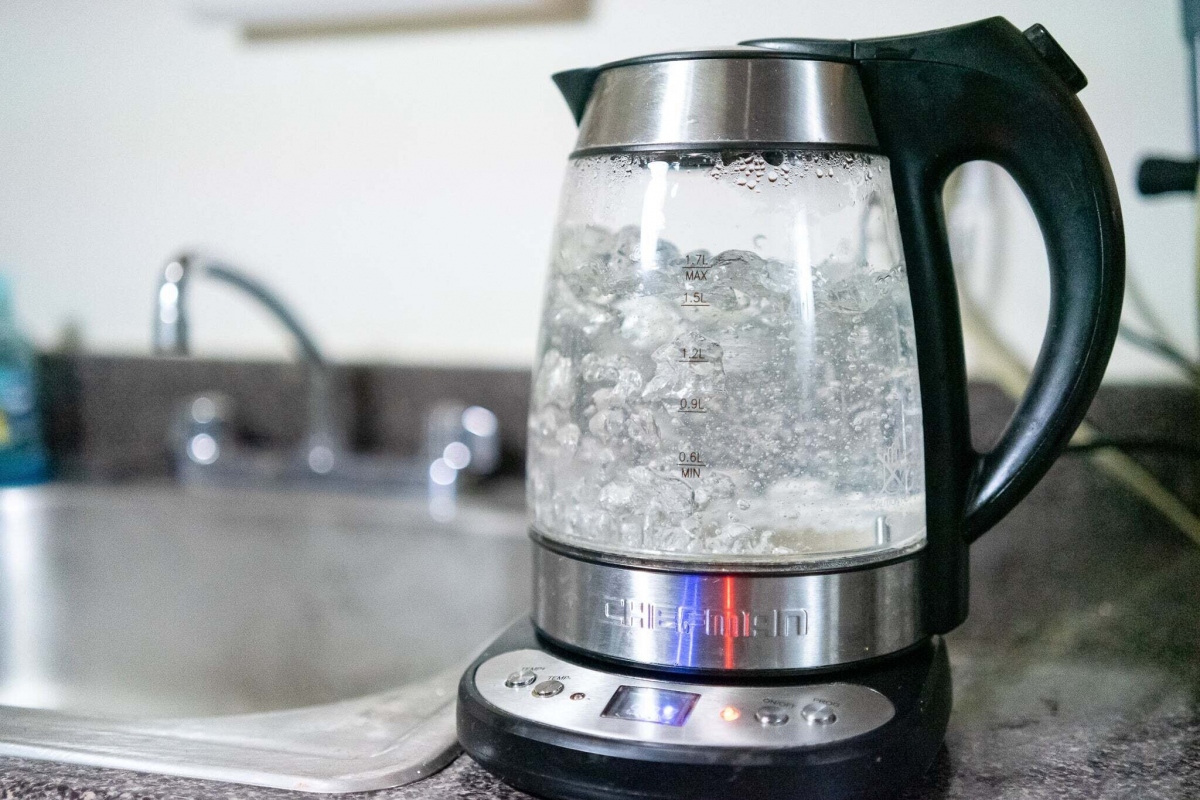
Another issue with pouring extremely hot water down the kitchen drain is that it may affect certain types of plumbing materials.
Many modern homes use PVC pipes, which are durable but can be sensitive to high temperatures. Repeated exposure to very hot water may weaken these pipes over time, causing them to warp or loosen at the joints.
While occasional hot water is unlikely to cause immediate damage, consistently pouring boiling water into the drain may shorten the lifespan of your plumbing system.
Why Food Waste Makes the Problem Worse
Kitchen sinks often receive food scraps during dishwashing or meal preparation. When hot water is poured down the drain along with grease and food particles, the grease can coat these particles and create thick deposits.
For example, small pieces of pasta, rice, or vegetable scraps can easily become trapped in the greasy buildup inside the pipes. Over time, these materials accumulate and form a stubborn clog.
This is why simply using hot water is not an effective method for maintaining a clear kitchen drain.
The Environmental Impact of Grease Disposal
Another important factor to consider is the broader impact on the sewage system. When grease enters household pipes, it eventually reaches municipal sewer systems. As it cools, it can combine with other materials and form large masses of hardened fat known as fatbergs.
These massive grease blockages can disrupt wastewater systems and require costly removal efforts by city maintenance teams. Proper grease disposal helps reduce these environmental and infrastructure problems.
Better Ways to Dispose of Grease
Instead of pouring grease down the drain, there are safer alternatives that help protect your plumbing.
One simple method is to collect cooking grease in a container and dispose of it in the trash once it solidifies. Many people use an empty jar or can for this purpose.
For small amounts of grease left in pans, wiping the surface with a paper towel before washing can prevent oils from entering the drain.
These small habits can significantly reduce grease buildup inside your pipes.
Effective Ways to Maintain a Clean Kitchen Drain
Keeping your kitchen drain clean does not require harsh chemicals or risky practices. Several safe and simple methods can help maintain proper drainage.
Regular Flushing With Warm Water
Using warm water—not boiling water—can help rinse away small amounts of residue without exposing pipes to extreme temperatures.
Baking Soda and Vinegar
A mixture of baking soda and vinegar can help break down mild buildup and neutralize odors. Pouring baking soda into the drain followed by vinegar creates a bubbling reaction that helps loosen debris.
Using Sink Strainers
Installing a sink strainer can prevent food particles from entering the drain in the first place. This simple tool catches solid debris and makes it easy to dispose of food waste properly.
When Hot Water Can Be Useful
It’s worth noting that warm water still has a place in kitchen cleaning. Running warm water while washing dishes can help remove soap residue and rinse away small particles.
However, the key is to avoid pouring large amounts of boiling water mixed with grease directly down the drain.
Moderation and proper disposal habits are essential for maintaining a healthy plumbing system.
A Small Habit That Protects Your Plumbing
Many household plumbing problems develop slowly due to everyday habits that seem harmless at first. Pouring hot water down the kitchen drain may appear to help dissolve grease, but it often contributes to long-term buildup and potential pipe damage.
By disposing of grease properly and using safer cleaning methods, you can keep your kitchen drain functioning smoothly for years. Small changes in daily routines can make a big difference in protecting both your home’s plumbing and the environment.