Throughout human history, one of the most profound questions people have asked is what happens after death. Across cultures, religions, and philosophical traditions, there has been a deep curiosity about the relationship between the body and the soul. When a person dies and the physical body is cremated, many people wonder whether this process affects the soul or the spirit in any way.
Cremation has become increasingly common in many parts of the world due to cultural traditions, environmental concerns, and practical considerations. However, the spiritual question remains: what happens to the soul when the body is cremated?
The answer varies widely depending on religious beliefs, philosophical views, and personal perspectives about the nature of the soul and the afterlife.
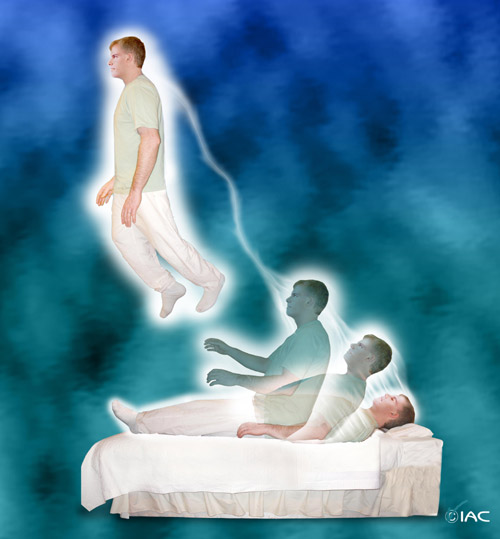
Understanding the Difference Between Body and Soul
Most spiritual traditions distinguish between the physical body and the soul or spirit.
The body is considered the material part of a human being. It grows, ages, and eventually returns to the earth after death. The soul, on the other hand, is often described as the immaterial essence of a person—the part associated with consciousness, personality, and spiritual identity.
Many belief systems hold that when death occurs, the soul separates from the body. The physical body may remain on earth, but the soul continues its journey in a different state of existence.
Because of this distinction, many traditions believe that what happens to the body after death—whether burial or cremation—does not affect the soul.
Perspectives From Different Religious Traditions
Different cultures and religions have developed their own interpretations regarding cremation and the soul.
Hindu Beliefs
In Hindu philosophy, cremation is one of the most common funeral practices. It is believed that the human body is composed of five natural elements—earth, water, fire, air, and space.
Cremation symbolizes the return of the body to these elements. Fire is considered a sacred purifier that helps release the soul from the physical form.
According to Hindu belief, once the body is cremated, the soul continues its journey through reincarnation, eventually being reborn into another form depending on karma and spiritual progress.
Buddhist Views
Buddhism also accepts cremation as a traditional practice. Similar to Hindu thought, Buddhism emphasizes that the physical body is temporary.
In Buddhist philosophy, death marks the transition from one life to another in the cycle of rebirth. The soul or consciousness is believed to continue beyond the physical body.
Cremation is simply a method of handling the body after death and does not influence the spiritual journey that follows.
Christian Perspectives
Christian views on cremation have evolved over time. Historically, burial was more common because of beliefs related to the resurrection of the body. However, many modern Christian denominations now accept cremation.
In Christian theology, the soul is believed to leave the body at death and enter the presence of God. Since the soul is spiritual and not physical, cremation is not considered harmful to the soul.
The belief is that God’s power is not limited by the physical condition of the body, whether buried, cremated, or lost in other circumstances.
Islamic Beliefs
In Islam, burial is traditionally required, and cremation is generally prohibited. The body is considered sacred and is treated with great respect after death.
However, even within Islamic teachings, the soul is believed to separate from the body at death and enter a spiritual state awaiting the Day of Judgment.
The prohibition of cremation is therefore based primarily on religious law and respect for the body rather than concerns about the soul being harmed.

Philosophical and Scientific Perspectives
From a scientific perspective, the concept of the soul lies outside the scope of empirical measurement. Science focuses on physical processes, such as how the body functions and what happens biologically when life ends.
When cremation occurs, the body is reduced to ashes through high heat. This process affects only the physical body, not consciousness or spiritual beliefs.
Philosophers often suggest that the soul, if it exists, would not be influenced by physical processes like cremation because it is considered non-material.
In this view, cremation is simply one of several methods used to return the body to nature.
Symbolic Meaning of Cremation
In many cultures, cremation carries symbolic significance beyond its practical aspects.
Fire has often been associated with purification, transformation, and release. Cremation can represent the idea that the soul is freed from the limitations of the physical body.
For some families, scattering ashes in meaningful locations symbolizes the continuation of life and the connection between the departed person and the natural world.
These symbolic interpretations can provide comfort during times of grief.
Cultural Variations in Funeral Practices
Around the world, funeral practices vary widely. Some cultures emphasize burial in the ground, while others have long traditions of cremation.
In countries such as India, Japan, and Nepal, cremation has been practiced for centuries as a natural and accepted part of spiritual traditions.
In Western societies, cremation has become increasingly popular due to factors such as:
-
Limited burial space
-
Lower cost compared with traditional burial
-
Environmental considerations
-
Personal preferences
Despite these differences, the underlying belief in many cultures is that the soul is independent of the physical body.
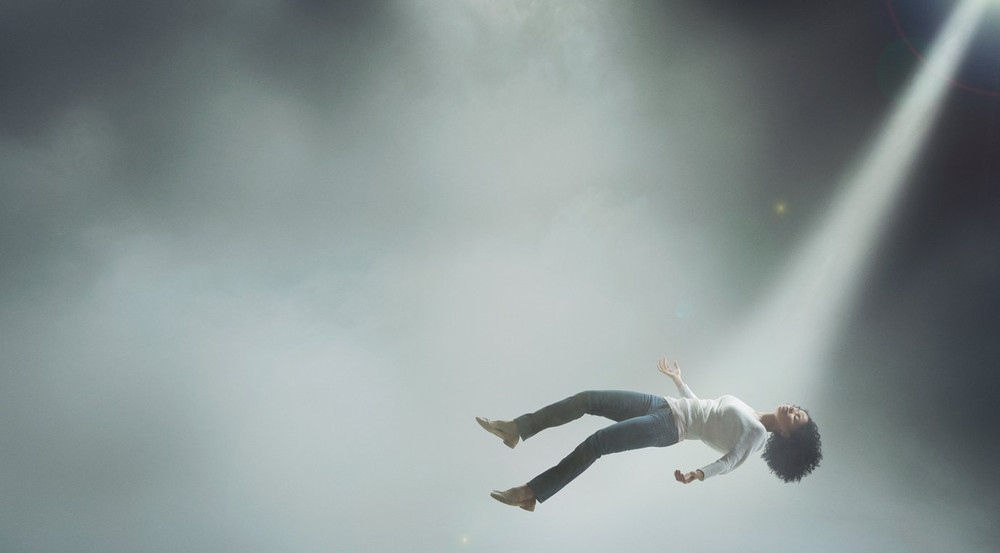
Emotional and Spiritual Comfort
For people grieving the loss of a loved one, questions about the soul often arise naturally. Many individuals find comfort in the belief that the soul continues beyond death and is not affected by the condition of the body.
Spiritual traditions often emphasize that love, memory, and spiritual connection transcend physical form.
Whether one believes in heaven, reincarnation, spiritual energy, or simply the continuation of influence through memory, these perspectives can help people cope with loss.
Final Thoughts
The question of what happens to the soul when the body is cremated has been considered by philosophers, religious scholars, and spiritual teachers for centuries. While beliefs differ across cultures and traditions, many perspectives share a common idea: the soul is not bound by the physical body.
Cremation affects the body, but according to most spiritual beliefs, the soul continues its journey beyond physical existence.
Ultimately, views on the soul and the afterlife are deeply personal and often shaped by faith, culture, and individual philosophy. What remains universal is the human desire to understand life, death, and the mysteries that lie beyond.