It’s one of the most distressing experiences for any cat owner: a beloved cat goes out as usual and never returns. While cats are known for their independence and curiosity, there are often specific reasons behind why some cats leave home and don’t come back.
Understanding these reasons can help explain the behavior and, in some cases, prevent it from happening.
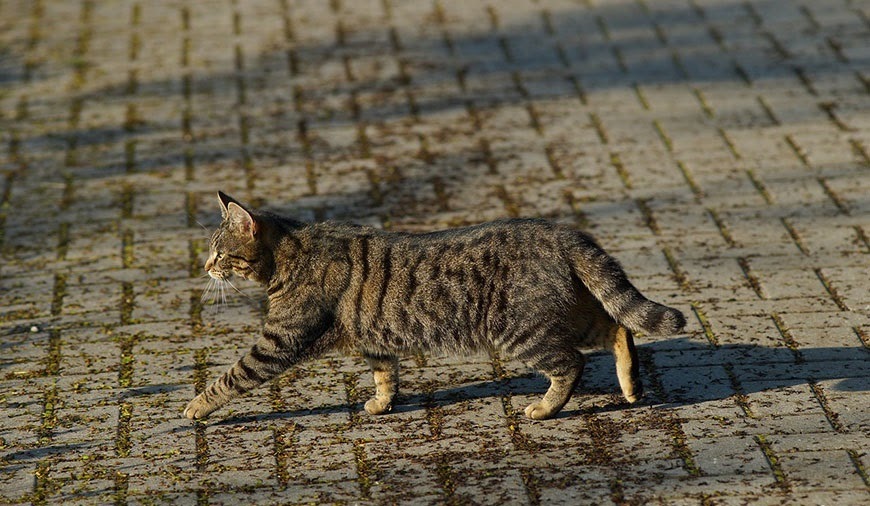
1. Natural Instinct to Explore
Cats are naturally curious and territorial animals. Even well-fed domestic cats retain strong instincts from their wild ancestors.
What this means:
- They may wander beyond their usual territory
- New sights, smells, or prey can draw them further away
- They can lose their sense of direction
Young or unneutered cats are especially likely to roam long distances.
2. Searching for a Mate
One of the most common reasons cats leave home is to find a mate.
Typical behavior:
- Unneutered males roam widely in search of females
- Females in heat may try to escape to find a partner
Result:
Cats may travel far beyond familiar areas and may not be able to find their way back.

3. Fear or Stress
Cats are highly sensitive to changes in their environment.
Possible triggers:
- Loud noises (fireworks, construction, storms)
- New pets or people in the home
- Moving to a new house
A frightened cat may run away and hide. In some cases, they remain hidden for days or relocate entirely.
4. Injury or Illness
When cats are sick or injured, they often isolate themselves.
Why they do this:
- It’s a survival instinct to hide vulnerability
- They may seek quiet, hidden places away from predators
Unfortunately, this can make it difficult for them to return home or be found.
5. Finding Another Food Source or Home
Cats are opportunistic and may settle where they feel safe and well-fed.
This can happen if:
- A neighbor feeds them regularly
- They find a place with more comfort or attention
In some cases, a cat may essentially “adopt” a new home.
6. Territorial Conflicts
Cats are territorial animals, and conflicts with other cats can drive them away.
Possible outcomes:
- Being chased out of their usual territory
- Avoiding areas where they feel threatened
This is more common in areas with high numbers of outdoor cats.
7. Disorientation or Getting Lost
Even cats that are familiar with their surroundings can become disoriented.
Causes include:
- Traveling too far from home
- Changes in the environment
- Age-related cognitive decline in older cats
Once lost, a cat may struggle to navigate back.

8. Accidents or External Dangers
Sadly, not all disappearances are voluntary.
Risks include:
- Traffic accidents
- Predators or other animals
- Environmental hazards
These dangers are one reason many experts recommend keeping cats indoors or supervised.
How to Reduce the Risk
While not all situations can be prevented, there are steps you can take:
- Keep your cat indoors or supervise outdoor time
- Ensure your cat is microchipped and wears identification
- Spay or neuter to reduce roaming behavior
- Create a safe, stable home environment
The Bottom Line
When a cat leaves and doesn’t return, it’s rarely without reason. Whether driven by instinct, fear, illness, or external factors, their behavior often reflects natural survival patterns.
While it can be heartbreaking, understanding these causes can provide some clarity and help reduce the chances of it happening again. Ensuring safety, stability, and proper care is the best way to keep your cat close to home.