3 Nighttime Signs While You’re Sleeping That Could Be Linked to Cancer (And When to See a Doctor)
Many serious health conditions—including cancer—can develop silently in the body for months or even years. While no single symptom at night can definitively indicate cancer, certain persistent changes during sleep may signal that something isn’t right. Recognizing these signs early can help you seek medical advice sooner and improve outcomes.
Below are three nighttime symptoms that may be associated with cancer or other underlying conditions—and what they could mean.
1. Persistent Night Sweats 🌙💧
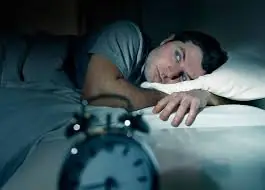
Waking up drenched in sweat occasionally—especially in hot weather—is normal. However, frequent or severe night sweats that soak your clothes or bedding without an obvious reason may be a warning sign.
These can sometimes be linked to cancers such as lymphoma, where the body’s immune response causes temperature dysregulation. That said, night sweats are far more commonly caused by:
- Hormonal changes (e.g., menopause)
- Infections
- Stress or anxiety
👉 When to be concerned:
If night sweats happen regularly, are intense, and are accompanied by weight loss or fatigue, it’s worth discussing with a doctor.
2. Unexplained Pain That Worsens at Night 🌙⚠️
Pain that becomes more noticeable or severe at night—especially when lying still—can sometimes point to an underlying issue.
Certain cancers, such as bone cancer or advanced tumors, may cause persistent discomfort that doesn’t improve with rest. However, nighttime pain is also commonly linked to:
- Muscle strain
- Poor sleeping posture
- Arthritis
👉 When to be concerned:
If the pain is ongoing, unexplained, and progressively worsening, or if it interferes with sleep consistently, seek medical evaluation.
3. Chronic Cough or Breathing Changes During Sleep 🌙😮💨
A cough that persists for weeks or worsens at night should not be ignored. In some cases, this could be related to lung conditions, including lung cancer.
However, more common causes include:
- Asthma
- Acid reflux (GERD)
- Respiratory infections
👉 When to be concerned:
If you experience a long-lasting cough, shortness of breath, or coughing up blood, you should see a healthcare provider promptly.
Important Reminder ⚠️

These symptoms are not specific to cancer and are usually caused by much less serious conditions. However, what matters most is persistence, severity, and combination of symptoms.
When Should You See a Doctor?
You should consider medical advice if you notice:
- Symptoms lasting more than a few weeks
- Unexplained weight loss
- Extreme fatigue
- Multiple symptoms occurring together
Early evaluation doesn’t mean something serious is certain—it simply helps rule out risks or catch problems early.
Conclusion
Your body often sends subtle signals when something isn’t right—even while you sleep. While nighttime symptoms like sweating, pain, or coughing are usually harmless, persistent or unusual patterns should never be ignored. Paying attention and acting early is one of the most powerful steps you can take for your health.
Sources
- American Cancer Society – Signs and Symptoms of Cancer
- National Cancer Institute – Cancer Symptoms and Causes
- Mayo Clinic – Night Sweats: Causes and When to See a Doctor