She Regretted This Habit Too Late—Don’t Make the Same Mistake
32-Year-Old Woman Lived a “Healthy” Lifestyle but Developed Li.ver Can.cer—Doctors Warn: This Vegetable Is Safe in Small Amounts but To.xic in Excess
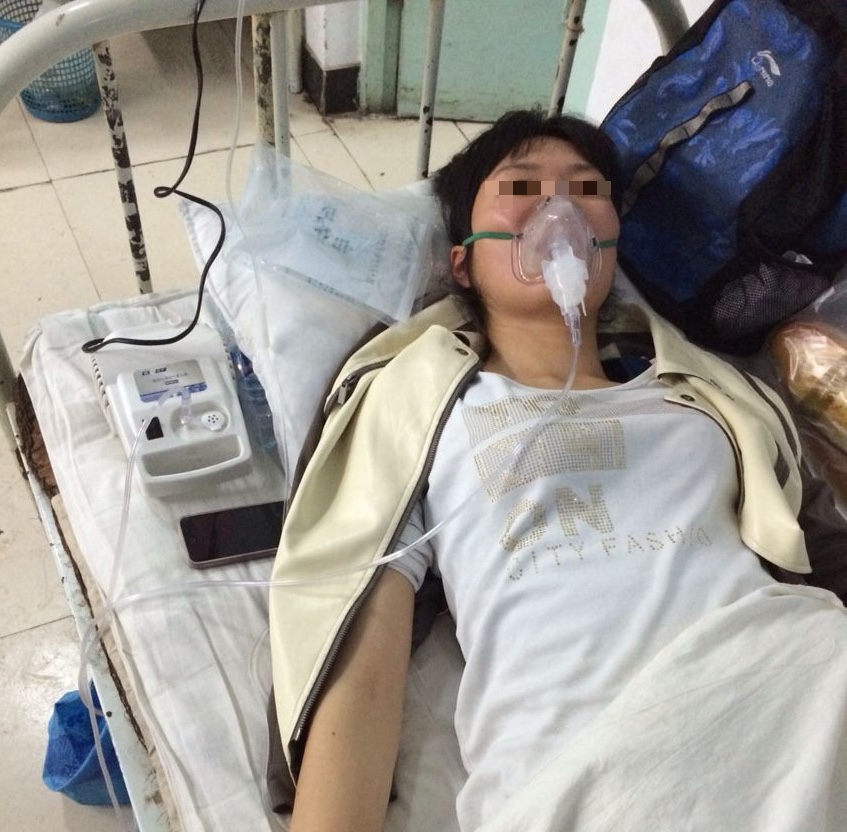
A 32-year-old woman who believed she was living a healthy lifestyle was shocked to be diagnosed with late-stage liver cancer, raising concerns about a common eating habit many people overlook.
A Sudden Diagnosis That Came Too Late
According to the report, the woman, from Shaanxi (China), was rushed to the hospital after experiencing severe abdominal pain, fatigue, and persistent fever.
Initially, she assumed it was a minor digestive issue. However, after a series of medical tests, doctors delivered devastating news: she had advanced liver cancer.
The diagnosis came as a shock, as she had always considered herself health-conscious—eating plenty of vegetables and maintaining what she believed was a clean diet.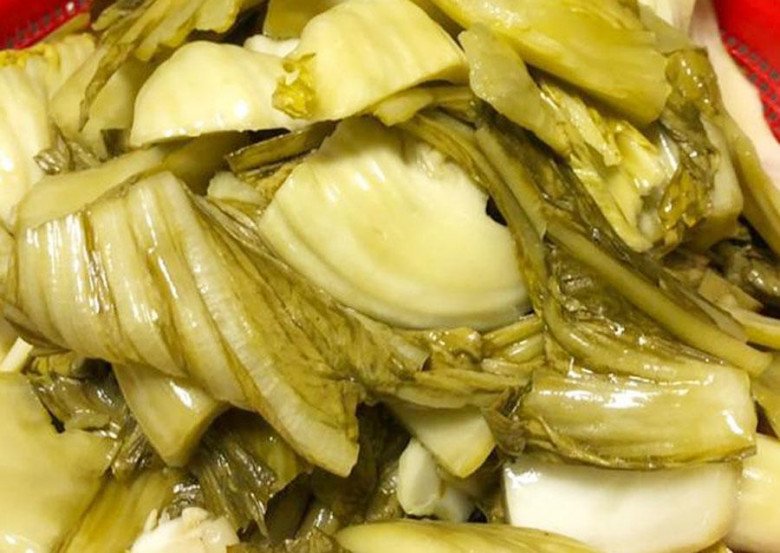
The “Silent” Nature of Liver Cancer
Doctors explain that the liver is often called a “silent organ” because it lacks pain-sensitive nerves.
Even when up to 70% of the liver is damaged, it may not produce clear warning signs. By the time symptoms like severe pain appear, the disease is often already in an advanced stage.
Looking back, the woman had experienced subtle symptoms such as chronic fatigue and persistent bad breath, but she dismissed them as normal.
The Hidden Risk in a Common Food
After investigating her daily habits, doctors identified a key factor: her frequent consumption of pickled vegetables.
She ate them almost every day, sometimes replacing full meals. Even when the vegetables developed a surface film or mild spoilage, she would rinse and continue eating them.
Doctors warned that while pickled vegetables can be beneficial in small amounts, overconsumption—especially when improperly fermented—can be harmful.
Why Eating Too Much Can Become Dangerous
Experts explain that poorly fermented or spoiled pickled vegetables may contain:
- Nitrites, which can convert into carcinogenic nitrosamines in the stomach
- Mold toxins (mycotoxins) produced during spoilage
These substances are processed by the liver. Over time, excessive intake can damage liver cells, disrupt DNA, and increase the risk of cancer.
While small amounts can be neutralized by the body, continuous exposure can overwhelm the liver’s defense system.

When Healthy Eating Becomes Harmful
Doctors emphasize that the issue is not the food itself, but quantity and quality.
Pickled vegetables can support digestion and enhance appetite when consumed properly. However, the line between beneficial and harmful is very thin.
To reduce risks, experts recommend:
- Avoid eating pickled vegetables that are not fully fermented or show signs of mold
- Limit intake to 1–2 times per week, with small portions
- Rinse before eating to reduce salt content
- Do not replace fresh vegetables with pickled ones
Other Foods That May Increase Liver Risk
Doctors also highlighted other dietary factors that may contribute to liver damage:
- High-sugar foods, which can lead to fat accumulation in the liver
- High-fat diets, which disrupt metabolism
- Alcohol, which directly damages liver cells
A Wake-Up Call
This case serves as a powerful reminder that even “healthy” habits can become harmful when taken to extremes.
A balanced diet, regular health check-ups, and paying attention to subtle body signals are essential to protecting long-term health.
She Thought She Was Living Healthily—Then Came a Liver Cancer Diagnosis: The Hidden Risks We Should Understand
A Diagnosis That Changed Everything
A 32-year-old woman who believed she was following a healthy lifestyle was reportedly diagnosed with advanced liver cancer. According to the story, she regularly ate vegetables, maintained what she considered a clean diet, and did not expect to face a serious disease at such a young age.
The diagnosis was devastating. Like many people, she had associated cancer with older age, obvious health problems, or habits she believed she had avoided. She did not imagine that something as ordinary as food preservation could become a subject of concern.
The report attributed particular attention to her frequent consumption of pickled vegetables, including vegetables that had developed a surface film or appeared spoiled. This raises an important question: Can a food that has been part of traditional diets for generations become harmful when eaten frequently or prepared incorrectly?
The answer requires more nuance than a simple warning to stop eating pickled vegetables.
Certain traditionally preserved vegetables have been associated with an increased risk of specific cancers in some studies. Improper fermentation and food spoilage can also create food safety concerns. However, there is not enough information in the reported case to establish that pickled vegetables caused this woman's liver cancer.
That distinction matters. A single person's story cannot identify the cause of a cancer diagnosis, and a food associated with a particular health risk is not automatically dangerous in every form or quantity.
What the story does highlight is the importance of understanding how food is prepared and stored, recognizing the established risk factors for liver cancer, and avoiding the assumption that a diet rich in vegetables guarantees protection from serious illness.
1. Why Liver Cancer Can Be Difficult to Detect Early
The liver is one of the body's largest and most important organs. Located in the upper-right part of the abdomen, it performs hundreds of essential functions that support everyday health.
It processes nutrients absorbed from food, produces bile to help digest fats, stores certain vitamins and minerals, helps regulate blood glucose, produces proteins involved in blood clotting, and metabolizes many medications and other substances.
The liver also plays a central role in processing compounds that enter the body through food, drink, and the environment.
Despite its remarkable capacity, the liver can develop serious disease without producing obvious symptoms in the early stages. Some liver cancers are discovered during medical assessments for another condition or through surveillance in people already known to be at high risk.
This is one reason liver cancer may be diagnosed late.
However, the common expression that the liver is a “silent organ” should not be interpreted literally. The liver does have pain-sensitive structures around it, and some liver diseases cause symptoms relatively early. The important point is that early liver cancer may not produce clear warning signs.