If you’ve ever walked past older buildings - especially in Europe or historic neighborhoods—you may have noticed that some window bars aren’t flat. Instead, they curve outward at the bottom, forming a rounded, cage-like shape. At first glance, this design might seem purely decorative. But in reality, it serves several practical and architectural purposes that go far beyond aesthetics.
Let’s break down why this unique feature exists and why it’s still relevant today.
1. Extra Space Without Extending the Structure
One of the main reasons for the curved design is simple: it creates additional usable space without requiring structural changes to the building.
The outward curve allows:
- More room near the window opening
- Space to place small objects like plants or decor
- Better airflow around the window area
In older buildings where interior space was limited, this small extension made a noticeable difference in comfort and functionality.

2. A Built-In Mini Balcony for Plants
Historically, these curved window bars were often used as a support for flower boxes or plants.
The design naturally forms a cradle-like base where:
- Flower pots can sit securely
- Plants can receive more sunlight
- Water drainage is easier
In cities with narrow streets and limited greenery, this became a creative way to bring nature into everyday living spaces. That’s why you’ll often see these window bars paired with vibrant flowers in Mediterranean or Spanish-style architecture.
3. Improved Ventilation and Light
The curved shape also helps improve air circulation and light distribution.
Because the bars extend outward:
- Air can flow more freely into the room
- Curtains or objects inside don’t block airflow as easily
- Sunlight can reach a wider angle into the interior
This was especially important before modern ventilation systems, when natural airflow played a key role in keeping homes cool and comfortable.
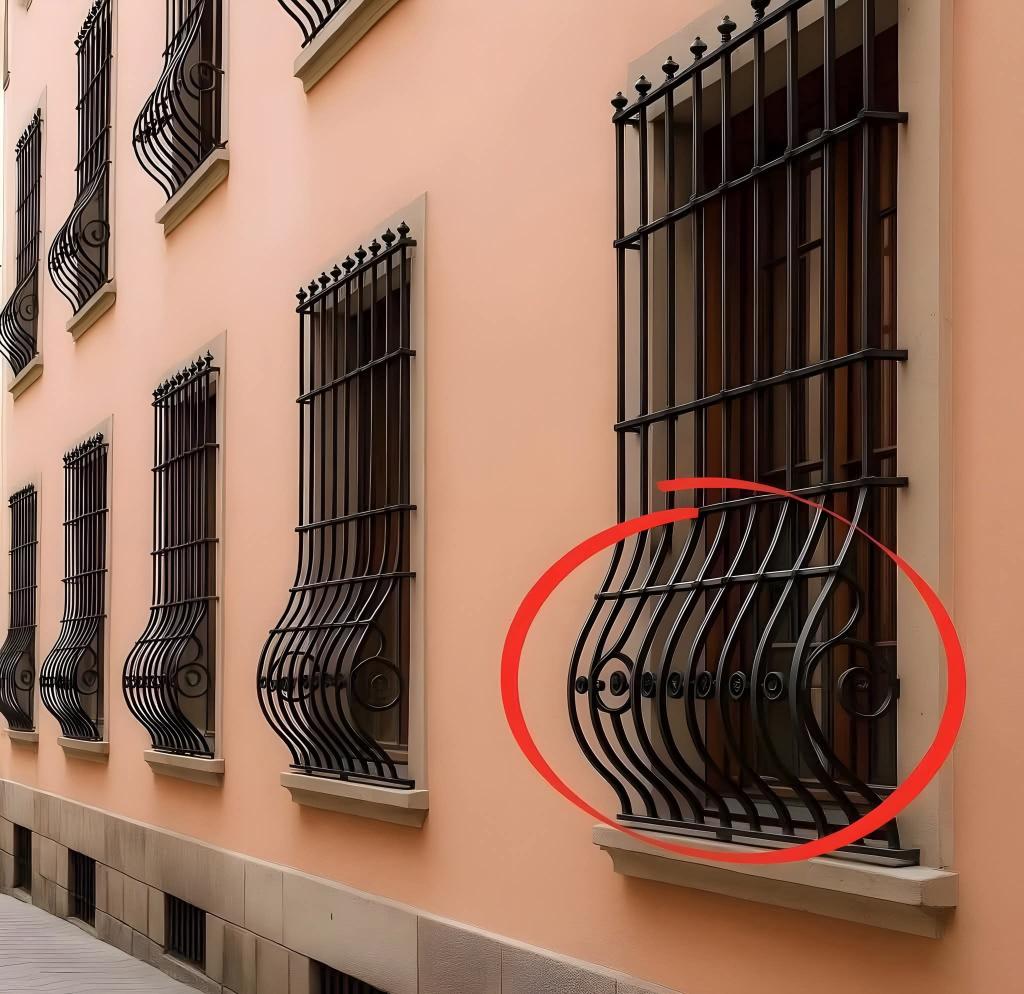
4. Enhanced Security Without Feeling Confined
Window bars are primarily installed for security—but flat bars can feel restrictive or even claustrophobic.
The curved design solves this by:
- Creating distance between the window and the bars
- Making the interior feel less “boxed in”
- Allowing occupants to lean slightly outward without obstruction
So while the bars still serve as a protective barrier, they feel less intrusive from the inside.
5. Architectural Aesthetics and Craftsmanship
Beyond function, there’s also a strong artistic element.
These window bars are often made from wrought iron and feature:
- Decorative scrollwork
- Symmetrical patterns
- Hand-forged details
The curved bottom adds depth and dimension, making the façade more visually interesting. In many historic buildings, this design became a symbol of craftsmanship and status.
6. Structural Strength and Durability
From an engineering perspective, curves are naturally strong shapes.
The outward curve helps:
- Distribute weight more evenly
- Increase resistance to bending or impact
- Provide better support for added weight (like plants or objects)
This makes the design not only सुंदर (visually appealing) but also structurally efficient.
7. Cultural and Historical Influence
This style is especially common in regions like:
- Spain
- Italy
- France
- Latin America
In these areas, the combination of climate, lifestyle, and architectural tradition led to the widespread use of curved window bars. Over time, they became a recognizable design element associated with classic and colonial architecture.

Final Thoughts
What might seem like a small design detail actually reflects a thoughtful blend of function, comfort, and artistry.
Curved window bars are not just decorative they:
- Maximize limited space
- Support everyday living needs
- Improve airflow and lighting
- Enhance both safety and aesthetics
It’s a reminder that traditional architecture often solved practical problems in creative ways—long before modern technology stepped in.
So next time you see those elegant, curved iron bars beneath a window, you’ll know they’re doing much more than just looking good.