Cats are mysterious, independent, and often misunderstood animals. While they may seem calm and affectionate one moment, they can suddenly display unexpected behaviors the next. One of the most confusing actions for many cat owners is biting.
The image above shows a cat gently biting a person’s hand—something that can feel surprising or even alarming. However, in most cases, this behavior is not aggression but a form of communication. Understanding why cats behave this way can help strengthen the bond between you and your pet.
1. Playful Biting
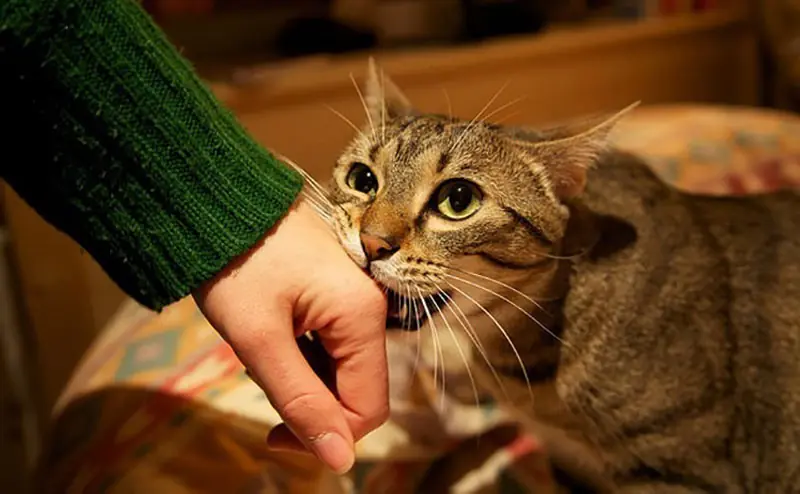
One of the most common reasons cats bite is simply because they are playing. Cats are natural hunters, and even domestic cats retain strong instincts to chase, pounce, and bite.
When your cat lightly bites your hand, it may be treating you like a playmate. This type of bite is usually gentle and not meant to cause harm. You may also notice other playful signs such as tail flicking, pouncing, or quick movements.
To manage this behavior, it’s best to use toys instead of your hands during playtime. This helps your cat understand what is appropriate to bite.
2. Overstimulation
Sometimes, cats enjoy being petted—but only up to a certain point. When they’ve had enough, they may respond by biting as a way to say, “Stop.”
This is known as overstimulation. Signs that your cat is reaching this point include:
- Tail swishing rapidly
- Ears turning back
- Sudden body tension
If you notice these signals, it’s best to stop petting before the bite happens.
3. Fear or Self-Defense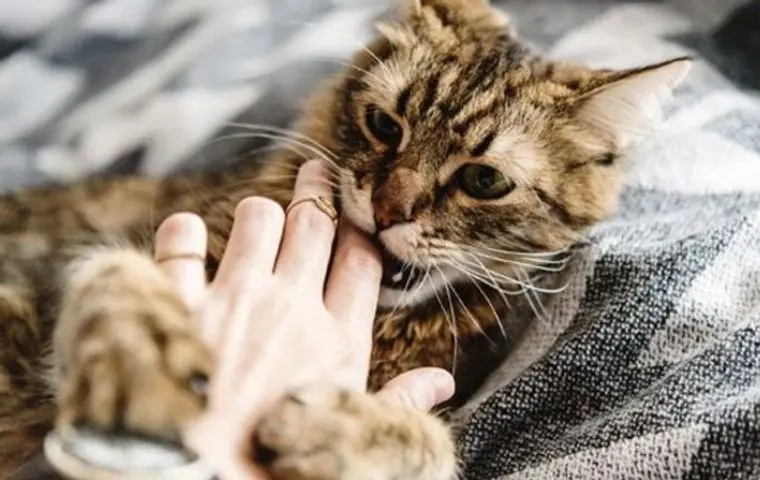
Cats may also bite when they feel threatened or scared. In unfamiliar situations or when handled roughly, biting becomes a form of self-defense.
This type of bite is usually stronger and may be accompanied by hissing or scratching. It’s important to give your cat space and avoid forcing interaction when it feels uncomfortable.
4. Affection Bites
Surprisingly, some cats bite as a sign of affection. These “love bites” are usually gentle and occur when your cat is feeling relaxed and connected to you.
While it may seem odd, this behavior is similar to how cats groom each other. It’s their way of bonding and expressing trust.
5. Attention-Seeking Behavior
If your cat wants your attention—whether for food, play, or affection—it may use biting as a way to get noticed.
Cats quickly learn that certain actions produce results. If biting leads to attention, they may repeat the behavior. Consistency in your response is key to managing this habit.
How to Respond to Cat Biting
Understanding the cause of the bite is the first step. Here are some practical tips:
- Avoid using your hands as toys
- Pay attention to your cat’s body language
- Stop interaction when signs of irritation appear
- Reward calm and gentle behavior
- Provide enough playtime and stimulation
These steps can help reduce unwanted biting while keeping your cat happy and engaged.
Why Cat Behavior Matters
Cats communicate differently from humans. What may seem like sudden or confusing behavior is often a clear message in “cat language.”
By learning to recognize these signals, you can respond appropriately and avoid misunderstandings. This not only prevents injuries but also builds trust between you and your pet.
Final Thoughts
Cats may be unpredictable at times, but their behaviors always have meaning. Whether it’s playful biting, a warning signal, or a sign of affection, each action tells you something about how your cat feels.
Instead of reacting with frustration, take a moment to observe and understand. With patience and awareness, you can develop a deeper connection with your feline companion—and turn surprising behaviors into meaningful communication.