Late-stage liver cancer is when most patients are diagnosed. At this stage, symptoms such as fatigue, weight loss, enlarged liver, ascites, and jaundice become more apparent as the tumor grows. This condition typically progresses silently and is difficult to recognize in the early stages. Therefore, if there are any abnormal signs, patients should immediately get screened for liver cancer.
The article is professionally consulted by Specialist Doctor I Lê Thiện Quang - Oncologist at the Department of General Examination & Internal Medicine, Vinmec Da Nang International General Hospital. Dr. Quang has over 15 years of experience in diagnosing and treating oncology diseases with methods such as radiotherapy, chemotherapy, targeted therapy, and palliative care.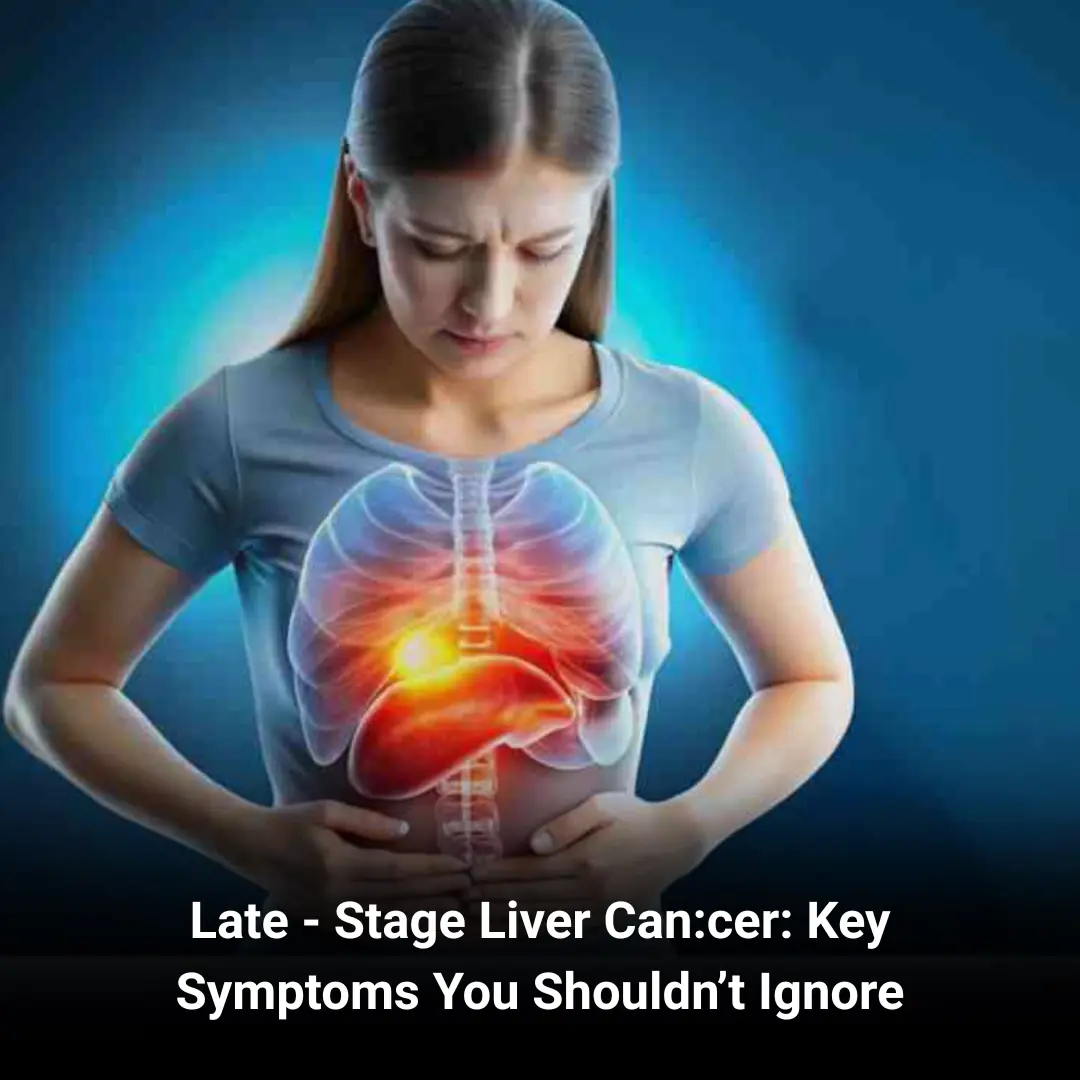
1. What is Late-Stage Liver Cancer?
Late-stage liver cancer is when cancer cells have spread to nearby tissues, regional lymph nodes, and distant organs such as the lungs, kidneys, and bones.
The prognosis at this stage is very poor, with a 5-year survival rate of only 3.5%. Moreover, treatment is often challenging, focusing primarily on alleviating symptoms, improving quality of life, and prolonging survival for patients.
Primary liver cancer is a malignant disease originating from the abnormal development of liver cells. Hepatocellular carcinoma, arising from malignant epithelial cells, is the most common form of primary liver cancer.
Liver cancer stages are classified from 1 to 4 based on the AJCC TNM system or the Barcelona classification system.
In late-stage liver cancer, cancer cells often metastasize to other parts of the body, requiring patients to undergo multiple treatments such as chemotherapy, radiotherapy, and oral medications to control liver cancer cells.
However, these treatments can further deteriorate the patient's health, leading to fatigue and weakness. Hence, the main goal of cancer treatment at this stage is to prolong the patient's life rather than cure the disease.
2. Symptoms in the Late Stages of Liver Cancer
2.1 Fatigue and Weight Loss
Fatigue is a common response of the body to liver cancer, especially in the late stages. Patients often feel tired and unable to work even without heavy physical activity.
Additionally, body weakness causes rapid weight loss, typically 5-6 kg in just a month. In some cases, weight loss can occur even faster.
2.2 Digestive Disorders
Liver dysfunction leads to weakened bodily functions, particularly the digestive system. Continuous digestive disturbances result in related issues such as constipation, diarrhea, and frequent severe abdominal pain.
Moreover, patients always feel bloated and full, even when eating very little or nothing at all. In the late stages of liver cancer, patients often experience frequent bowel movements with loose and mucous stools.
2.3 Enlarged Liver
An enlarged liver is when liver cancer patients can feel tumors in the liver area on their body. These tumors indicate severe liver damage. Patients can easily feel tumors of varying sizes on the upper abdomen surface.
2.4 Persistent Pain
Late-stage liver cancer patients often cannot avoid pain. The liver, located near the stomach, causes sudden and prolonged abdominal pain when damaged.
One manifestation of liver cancer is spasmodic liver pain radiating to the stomach, causing discomfort. To alleviate this pain, patients need to use regular pain relievers.
However, using high-dose pain relievers can further impair liver function.
2.5 Ascites
In late-stage liver cancer, patients often show symptoms such as lower limb edema, a swollen abdomen, and the abdomen often appears yellowish or reddish (due to blood). The cause is liver cancer in the late stages producing fluid in the abdominal cavity, causing bloating and discomfort for the patient.
2.6 Jaundice
Jaundice is a characteristic symptom of late-stage liver cancer. As the disease progresses, liver tumors grow larger, compressing the liver, increasing obstruction between the liver and bile ducts, resulting in symptoms such as jaundice or yellowing of the eyes.
About 85% of liver cancer patients with bile duct tumors have yellow skin. Additionally, cancer reduces the ability to metabolize substances and bile, along with increased bilirubin levels. This condition leads to symptoms such as jaundice, yellow eyes, dark urine, and itchy skin.
Other late-stage liver cancer symptoms include hair loss, and spider veins on thin skin areas of the body.
3. Liver Cancer Screening Package
Symptoms of late-stage liver cancer often cause pain and affect the patient's daily life. Currently, there is no definitive treatment for late-stage liver cancer.
Therefore, recognizing the symptoms from the early stage is crucial for timely intervention and treatment. If any abnormal signs appear, patients should immediately undergo liver cancer screening.
Vinmec International General Hospital offers suitable cancer screening packages for various risk groups, including a liver cancer screening package to detect the disease in its asymptomatic stage.
With the liver cancer screening package, clients have the opportunity to detect abnormalities in the body in just one examination. This package provides early detection of abnormal signs, including liver cancer cells, in a single visit.
Vinmec International General Hospital is renowned for its leading oncology specialists and the most advanced medical equipment in the region. This allows the hospital to conduct early liver cancer screening, providing timely and appropriate treatment.