Age spots - also known as liver spots or solar lentigines - are a common skin concern, especially as people get older. They often appear as flat, brown, gray, or black patches on areas frequently exposed to the sun, such as the face, hands, shoulders, and arms.
For most people, age spots are completely harmless. However, because they can sometimes resemble more serious skin conditions, it’s important to understand when they are normal and when they may require medical attention.
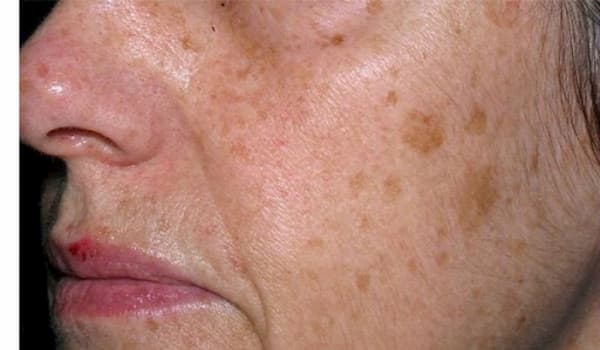
What Are Age Spots?
Age spots are caused by long-term exposure to ultraviolet (UV) radiation, which accelerates the production of melanin (the pigment that gives skin its color).
Key characteristics:
- Flat and smooth
- Brown, tan, or black in color
- Clearly defined edges
- Usually appear on sun-exposed areas
They tend to develop gradually over time and are more common after the age of 40, although they can appear earlier with significant sun exposure.
Why Do Age Spots Form?
The primary cause is cumulative sun exposure.
How it happens:
- UV rays stimulate melanocytes (pigment-producing cells)
- Over time, pigment becomes concentrated in certain areas
- This results in visible dark spots
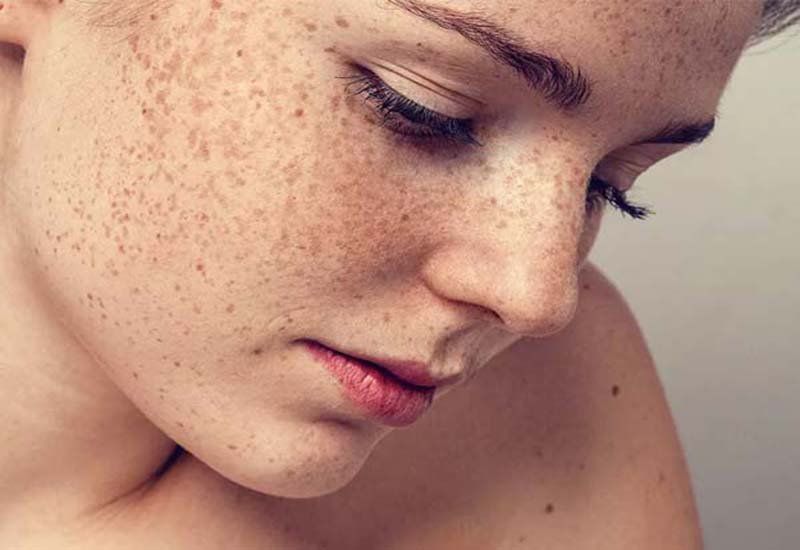
Unlike freckles, which may fade, age spots often persist or become more noticeable.
When Age Spots Are Harmless
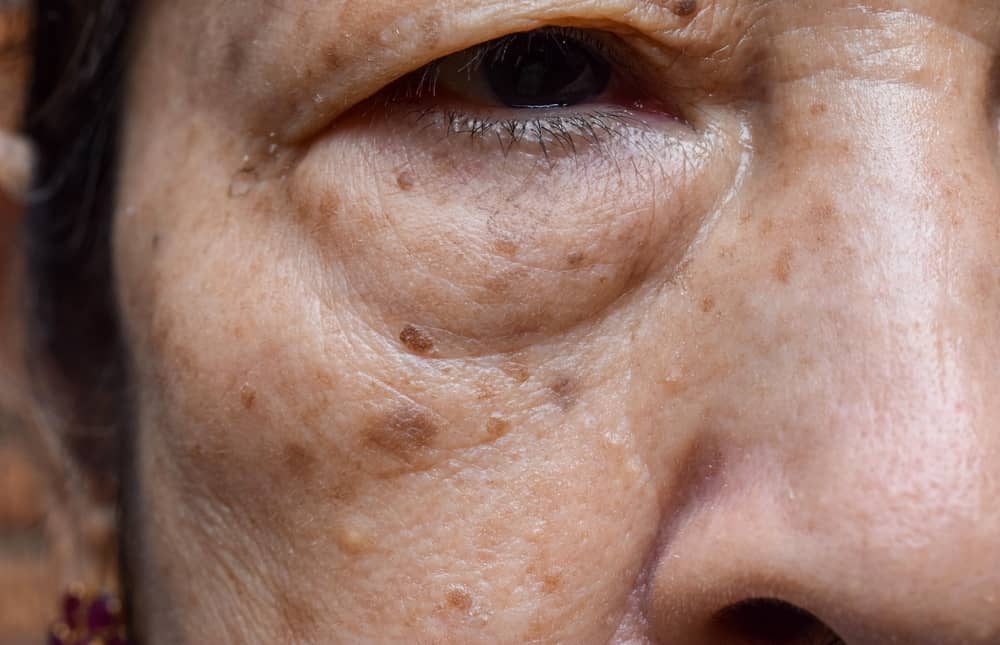
In most cases, age spots are purely cosmetic and do not pose any health risk.
Signs they are likely harmless:
- Uniform color (consistent shade throughout)
- Smooth borders
- No change in size, shape, or color over time
- No itching, bleeding, or pain
These spots typically remain stable and do not require treatment unless for cosmetic reasons.
When to Be Concerned
Some skin changes that look like age spots may actually be something more serious, such as skin cancer.
Watch for the ABCDE Warning Signs:
- A – Asymmetry: One half does not match the other
- B – Border: Irregular, blurred, or jagged edges
- C – Color: Multiple colors or uneven pigmentation
- D – Diameter: Larger than about 6 mm (size of a pencil eraser)
- E – Evolving: Changes over time
Other concerning signs:
- Rapid growth
- Bleeding or crusting
- Itching or tenderness
- A spot that looks very different from others
If you notice any of these features, it’s important to seek medical evaluation promptly.
Conditions That Can Be Confused with Age Spots
Several skin conditions can resemble age spots, including:
- Melanoma: A serious form of skin cancer
- Seborrheic keratosis: Non-cancerous growths that can look waxy or raised
- Actinic keratosis: A precancerous condition caused by sun damage
Distinguishing between these conditions often requires professional examination.
When Should You See a Doctor?
You should consult a dermatologist if:
- A spot changes in appearance
- You develop new spots rapidly
- A spot becomes painful, itchy, or starts bleeding
- You are unsure whether a spot is benign
Early detection is crucial, especially for conditions like melanoma.
Can Age Spots Be Treated?
While treatment is not medically necessary, some people choose to reduce their appearance for cosmetic reasons.
Common options include:
- Topical creams (e.g., retinoids or lightening agents)
- Chemical peels
- Laser therapy
- Cryotherapy (freezing the spot)
Consultation with a dermatologist is recommended before starting treatment.
How to Prevent Age Spots
Prevention focuses on reducing sun exposure.
Simple steps:
- Use sunscreen daily (SPF 30 or higher)
- Wear protective clothing and hats
- Avoid peak sun hours
These habits not only help prevent age spots but also reduce the risk of skin cancer.
The Bottom Line
Age spots are a common and usually harmless sign of aging and sun exposure. However, because they can sometimes resemble more serious conditions, it’s important to monitor any changes in your skin.
Understanding what’s normal and what isn’t - can help you take the right steps at the right time. When in doubt, getting a professional opinion is always the safest choice.