Losing a loved one is one of life’s most difficult experiences. In the days following a passing, families are often faced with many decisions, including how to handle the belongings left behind. While it may seem practical to clear out items quickly, some possessions carry deep emotional, cultural, or even practical significance.
Before discarding everything, it is worth considering which items should be preserved—not only as memories but also as part of healing and honoring the person who has passed.
Why Certain Items Matter After Loss
Objects can hold powerful emotional value. They connect us to memories, shared experiences, and the personality of the deceased. In many cultures, keeping specific items is also a way of showing respect and maintaining a spiritual connection.
Rushing to throw everything away may lead to regret later, especially when grief begins to settle and reflection deepens.
1. Personal Documents and Important Records
One of the most important categories to preserve includes official documents.
Examples:
- Identification papers
- Medical records
- Insurance documents
- Property ownership papers
Why keep them:
These documents are essential for legal processes, inheritance matters, and administrative tasks. Discarding them too soon can create unnecessary complications for the family.
2. Photographs and Memory Items
Photographs, letters, and small keepsakes are often the most emotionally valuable items.
Examples:
- Family photos
- Handwritten notes
- Gifts or personal belongings
Their importance:
These items preserve memories that cannot be replaced. They provide comfort during grief and help future generations understand their family history.
3. Items with Cultural or Spiritual Meaning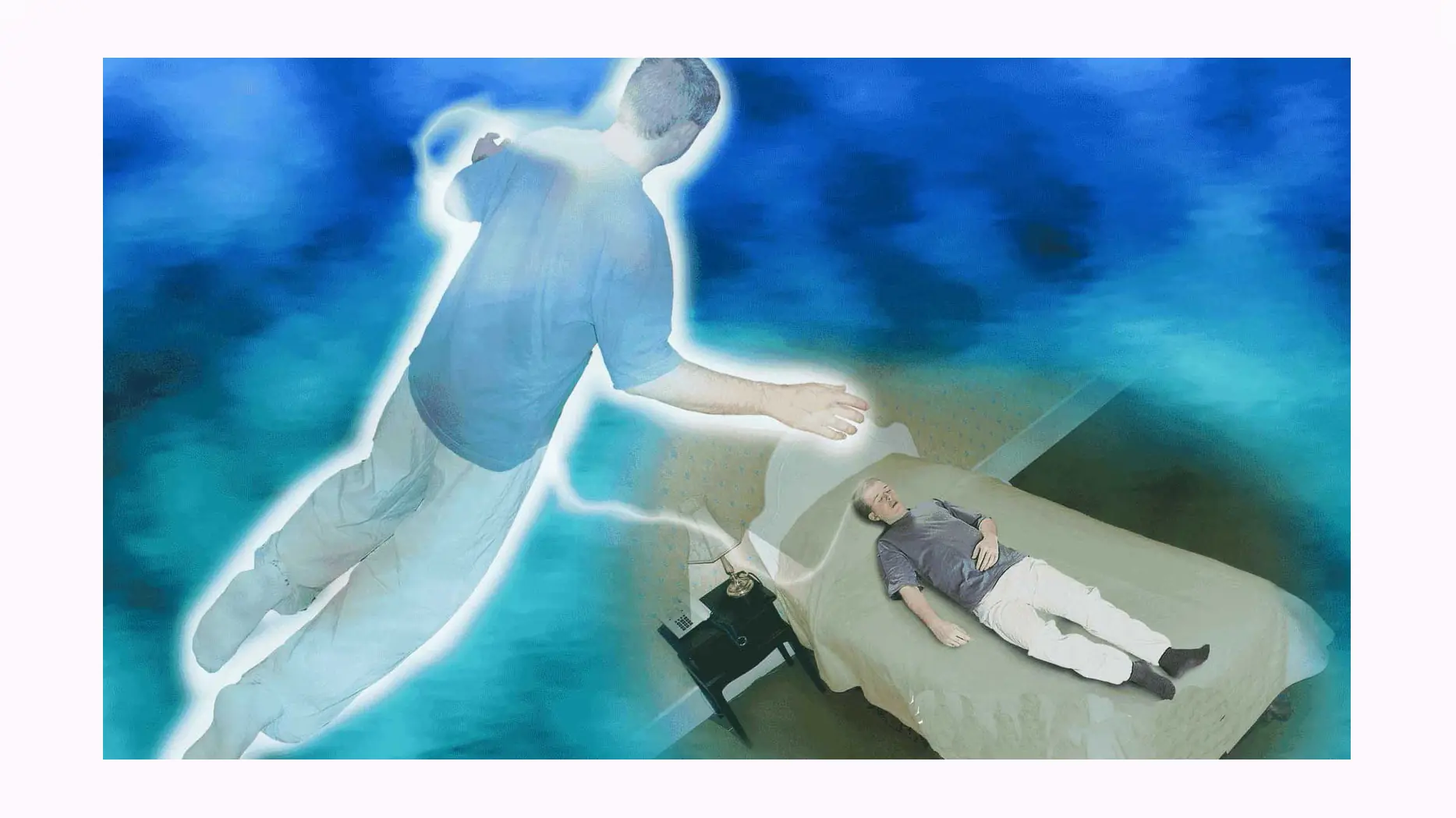
In many traditions, certain belongings are believed to carry symbolic or spiritual significance.
Examples:
- Religious objects
- Clothing worn during important life events
- Ritual items
Cultural perspective:
Some families keep these items as part of mourning rituals or remembrance practices. Even for those who are not religious, these objects can represent identity and heritage.
4. Items of Practical or Sentimental Value
Not all valuable items are obvious. Everyday objects may carry deep meaning.
Examples:
- Jewelry
- Watches
- Favorite books
- Tools or personal collections
Why they matter:
These items often reflect the personality, hobbies, and life story of the person who has passed. Keeping them can help loved ones feel connected.
The Emotional Side of Letting Go
Grief is a complex process, and decisions made during this time can be influenced by strong emotions. Some people may feel the urge to remove reminders quickly, while others prefer to hold onto everything.
There is no “right” timeline. What matters is making thoughtful decisions rather than rushed ones.
When It May Be Okay to Let Go
While some items should be kept, others may no longer be necessary.
Consider letting go of:
- Duplicate items
- Broken or unusable belongings
- Objects with no personal or practical value
Donating or recycling these items can be a meaningful way to honor the deceased by helping others.
Tips for Handling Belongings After a Loss
- Take your time—avoid making quick decisions
- Involve family members in the process
- Separate items into categories (keep, donate, discard)
- Store important items safely
- Consider creating a memory box
These steps can make the process more manageable and less overwhelming.
The Role of Memory in Healing
Holding onto certain belongings can play an important role in emotional healing. They serve as reminders of love, shared experiences, and the impact the person had on others.
Over time, these items often become cherished symbols rather than sources of pain.
Conclusion
When someone in the family passes away, their belongings become more than just objects—they become pieces of a life story. While it may be necessary to let go of some things, others deserve careful consideration.
By preserving meaningful items such as documents, memories, and culturally significant objects, families can honor their loved one while also supporting their own healing journey. In moments of loss, thoughtful choices can make a lasting difference.