Cabbage Has Many Health Benefits — Yet 4 Types of People Should Avoid It
Cabbage is often called a “humble superfood.” It’s affordable, easy to cook, and packed with nutrients that support overall health. From boosting digestion to strengthening immunity, this leafy vegetable has earned its place in kitchens around the world.
But here’s the twist: not everyone should eat cabbage freely. While it offers impressive benefits, certain individuals may actually experience negative effects from consuming it.
Let’s break it down clearly—so you know when cabbage is your best friend… and when it’s better to keep your distance.
The Powerful Health Benefits of Cabbage


 4
Before we talk about restrictions, it’s important to understand why cabbage is so popular in the health world.
1. Rich in Nutrients, Low in Calories
Cabbage is loaded with:
- Vitamin C (boosts immunity)
- Vitamin K (supports bone health)
- Fiber (improves digestion)
All of this comes with very few calories, making it ideal for weight management.
2. Supports Digestive Health
The fiber in cabbage helps regulate bowel movements and feeds beneficial gut bacteria. Fermented cabbage (like sauerkraut or kimchi) goes even further by adding probiotics.
3. Packed with Antioxidants
Cabbage contains compounds that help reduce inflammation and protect cells from damage caused by free radicals.
4. May Support Heart Health
Certain plant compounds in cabbage may help lower cholesterol levels and support healthy blood pressure.
However… These 4 Types of People Should Be Careful
Even healthy foods can have downsides depending on your body condition. Here are four groups that should limit or avoid cabbage.
1. People with Thyroid Disorders


 4
Cabbage belongs to a group of vegetables known as cruciferous vegetables, which contain compounds called goitrogens. These substances can interfere with thyroid function, especially if consumed in large amounts.
Why it matters:
For individuals with hypothyroidism or iodine deficiency, excessive cabbage intake may worsen symptoms.
Tip:
Cooking cabbage can reduce these compounds, making it safer to consume in moderation.
2. People with Sensitive Digestive Systems

 4
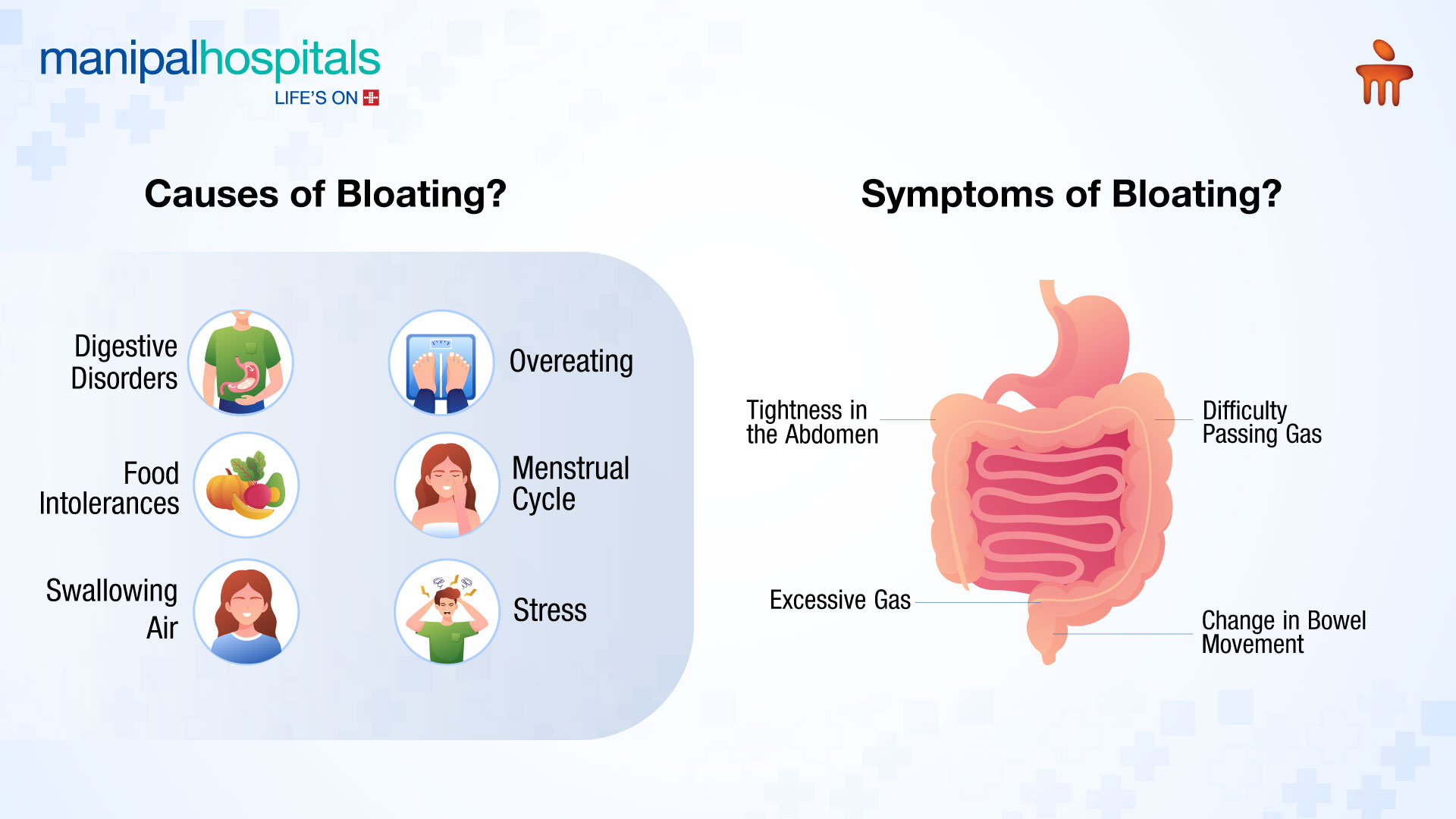
While cabbage is great for digestion in general, it can cause bloating, gas, and discomfort in some people.
This happens because cabbage contains certain carbohydrates that are difficult to digest, especially for those with:
- Irritable bowel syndrome (IBS)
- Weak digestive function
- Frequent bloating issues
Why it matters:
Instead of helping, cabbage may actually make digestive symptoms worse.
Tip:
Start with small portions and see how your body reacts.
3. People Taking Blood-Thinning Medications

 4
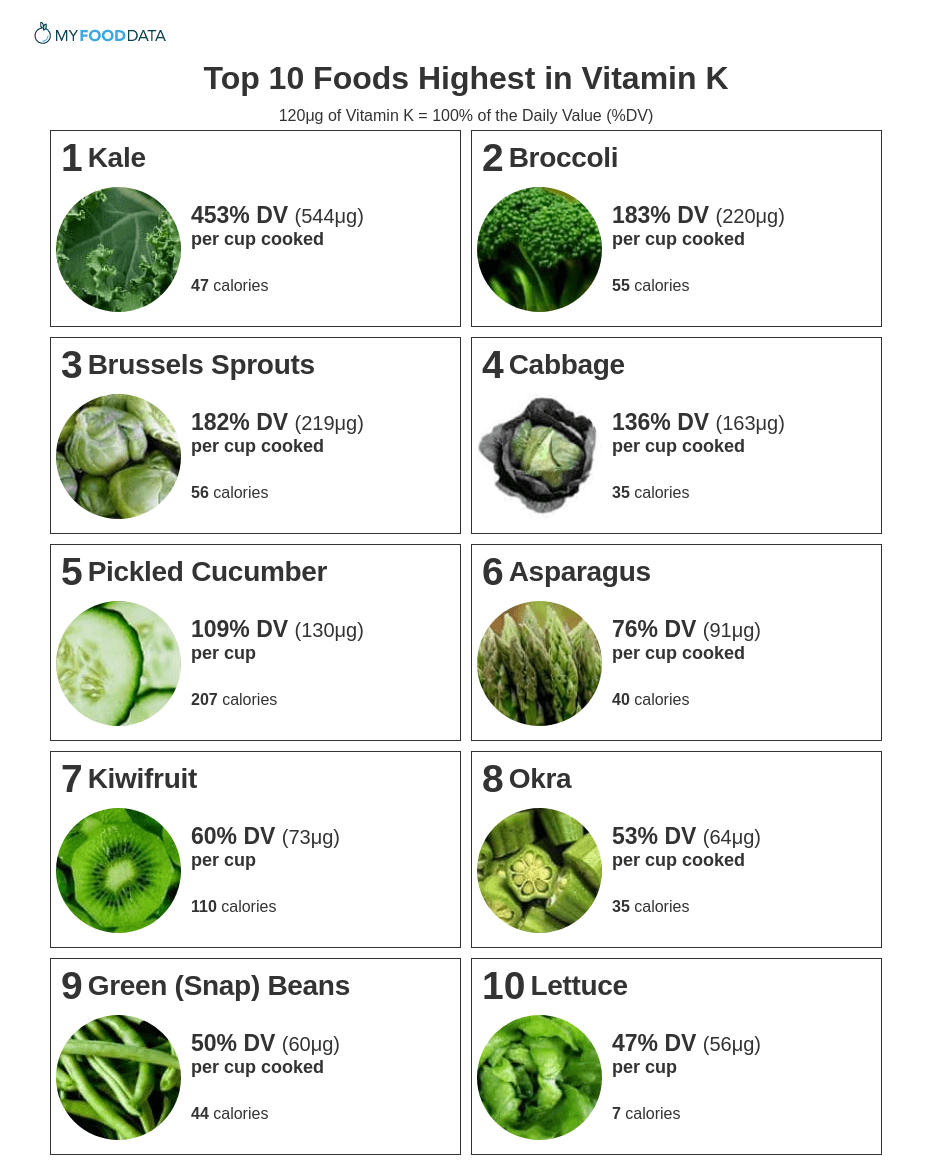
Cabbage is very high in vitamin K, which plays a key role in blood clotting.
Why it matters:
If you are taking blood-thinning medications (like anticoagulants), sudden increases in vitamin K intake can interfere with how these drugs work.
Tip:
You don’t necessarily need to avoid cabbage completely—but you must keep your intake consistent and consult your doctor.
4. People Prone to Kidney Stones

 4
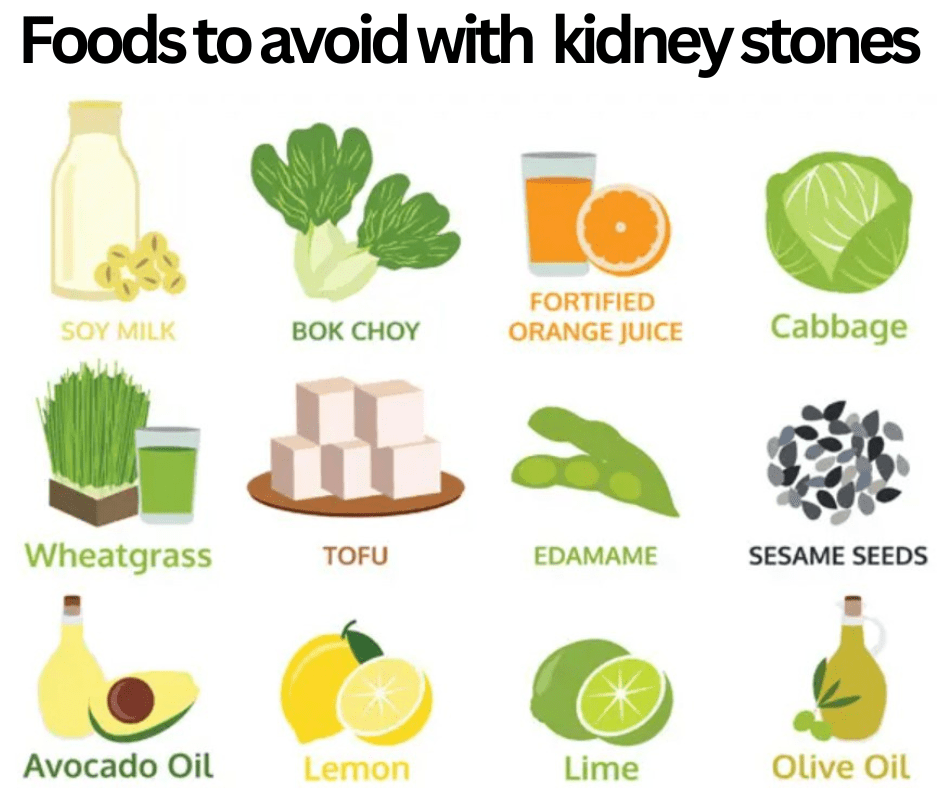
Cabbage contains compounds that, in certain cases, may contribute to the formation of kidney stones—especially when consumed excessively.
Why it matters:
If you already have a history of kidney stones, your diet needs to be carefully managed.
Tip:
Balance your intake and stay well-hydrated to reduce risk.
So… Should You Stop Eating Cabbage?
Not at all.
For most people, cabbage is a highly nutritious and beneficial food. The key is understanding your own body and any existing health conditions.
Think of it like this:
- For some → it’s a superfood
- For others → it needs moderation
Smart Ways to Enjoy Cabbage Safely
- Cook it instead of eating raw to reduce digestive stress
- Eat moderate portions, not excessive amounts
- Combine with other foods for balanced nutrition
- Pay attention to your body’s response
Final Thoughts
Cabbage proves that even the healthiest foods are not “one-size-fits-all.” While it offers a wide range of benefits—from boosting immunity to supporting heart health—there are situations where caution is necessary.
The goal isn’t to fear food. It’s to understand it.
So next time you see cabbage on your plate, remember:
It can be incredibly good for you—but only if it’s right for your body.
Stay informed. Stay balanced. And always listen to what your body is trying to tell you.