Food safety is an essential part of maintaining good health, yet many people overlook the risks associated with certain everyday foods. Doctors and health experts warn that some commonly consumed foods may carry parasites if they are not properly prepared or cooked.
While these foods are not inherently dangerous, improper handling can increase the risk of infection. Understanding which foods pose higher risks—and how to consume them safely—can help protect your health.
What Are Foodborne Parasites?
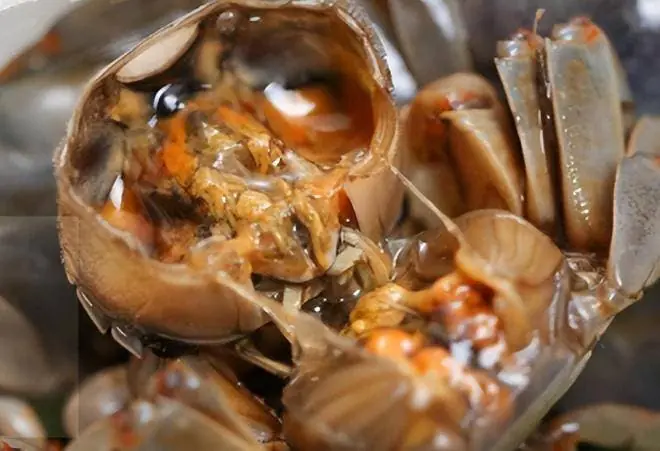
Parasites are organisms that live in or on another host and can cause illness. When humans consume contaminated food, these parasites can enter the body and lead to infections that affect the digestive system and other organs.
Common symptoms of parasitic infections include:
- Stomach pain
- Diarrhea
- Nausea and vomiting
- Fatigue
- Weight loss
In severe cases, infections may lead to more serious complications.
1. Raw or Undercooked Seafood
Seafood such as fish, shellfish, and snails can carry parasites if not properly cooked.
Examples:
- Raw fish (sushi, sashimi)
- Undercooked shellfish
- Freshwater snails
Risks:
Parasites like worms and flukes may survive in raw seafood and enter the human body.
Safety tips:
- Choose high-quality, properly handled seafood
- Cook thoroughly before consumption
- Avoid raw seafood if you have a weakened immune system
2. Undercooked Meat
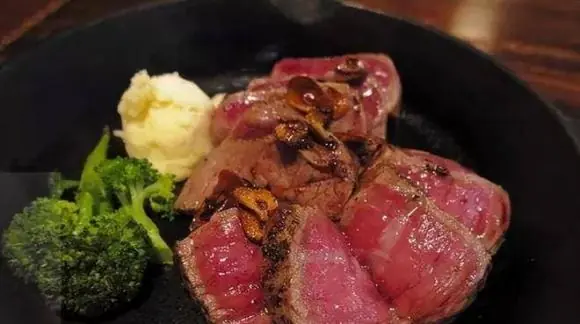
Meat that is not cooked to a safe internal temperature can harbor parasites.
Common sources:
- Pork
- Beef
- Game meat
Risks:
Parasites such as tapeworms or roundworms may be present in undercooked meat.
Safety tips:
- Cook meat thoroughly
- Avoid consuming raw or rare meat
- Use a food thermometer when possible
3. Unwashed Vegetables and Fruits
Fresh produce can become contaminated with parasite eggs through soil, water, or improper handling.
Risks:
Eating unwashed vegetables may introduce parasites into the digestive system.
Safety tips:
- Wash fruits and vegetables thoroughly
- Peel when appropriate
- Avoid cross-contamination in the kitchen
4. Fermented or Raw Traditional Dishes
Certain traditional foods that involve fermentation or raw ingredients may carry parasites if not prepared safely.
Examples:
- Raw crab or shrimp dishes
- Fermented fish
- Pickled foods made without proper hygiene
Risks:
Improper fermentation may not eliminate harmful organisms.
Safety tips:
- Ensure proper preparation methods
- Choose reputable sources
- Avoid risky dishes if unsure about safety
Why These Foods Are Still Popular
Despite the risks, these foods remain popular because they offer:
- Unique flavors
- Cultural significance
- High nutritional value
The key is not to avoid them entirely, but to consume them safely and responsibly.
Who Is Most at Risk?
Certain individuals are more vulnerable to parasitic infections:
- Children
- Pregnant women
- Older adults
- People with weakened immune systems
These groups should take extra precautions when choosing and preparing food.
How to Protect Yourself
Preventing foodborne parasites is largely about proper hygiene and preparation.
Key practices:
- Cook food thoroughly
- Wash hands before handling food
- Clean kitchen surfaces regularly
- Store food at safe temperatures
- Avoid cross-contamination
When to Seek Medical Attention
If you experience symptoms such as persistent stomach pain, diarrhea, or unexplained fatigue after eating risky foods, consult a healthcare professional.
Early diagnosis and treatment can prevent complications.
Conclusion
While certain foods may carry a higher risk of parasites, they do not need to be completely avoided. The real danger lies in improper handling and preparation.
By following safe food practices and staying informed, you can enjoy a wide variety of foods while minimizing health risks. Awareness is the first step toward safer eating and better overall health.