Electric kettles are one of the most convenient appliances in modern kitchens. From boiling water for tea to preparing instant meals, they are widely used in households around the world. However, improper use of an electric kettle can lead to potential health risks—some of which may indirectly affect kidney health over time.
Understanding these common mistakes can help you use your kettle more safely and protect your well-being.
Why Safe Kettle Use Matters
Electric kettles heat water quickly, but repeated misuse can lead to the buildup of harmful substances, contamination, or poor water quality. Since the kidneys are responsible for filtering toxins from the body, long-term exposure to impurities in water may place extra strain on them.
While occasional mistakes are unlikely to cause harm, consistent improper use can increase risks.
1. Boiling Water Repeatedly
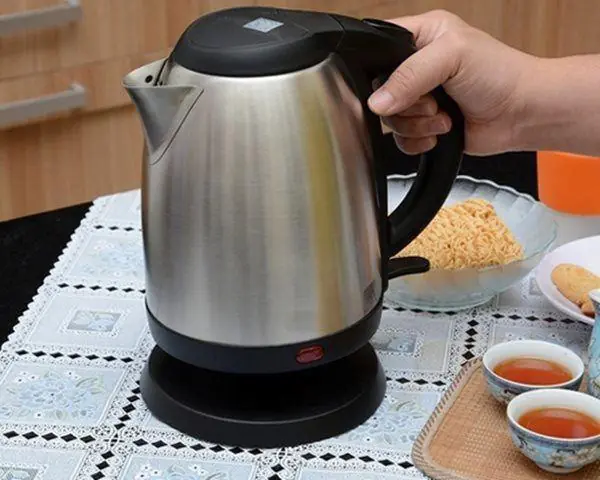
One of the most common habits is reboiling the same water multiple times. When water is boiled repeatedly, certain substances such as nitrates and minerals can become more concentrated.
Why it matters:
- May increase the level of unwanted compounds
- Affects water taste and quality
It is best to boil only the amount of water you need each time.
2. Not Cleaning the Kettle Regularly
Over time, mineral deposits (limescale) can build up inside the kettle, especially in areas with hard water. This buildup can affect both the efficiency of the kettle and the quality of the water.
Risks include:
- Contaminated water
- Reduced heating efficiency
- Potential ingestion of mineral residue
Regular cleaning with safe descaling methods is essential.
3. Boiling Non-Water Liquids
Some people use electric kettles to heat milk, soup, or other liquids. This is not recommended unless the kettle is specifically designed for such purposes.
Problems:
- Residue buildup
- Bacterial growth
- Damage to the kettle
Always use the kettle strictly for water unless otherwise specified.
4. Using Low-Quality Water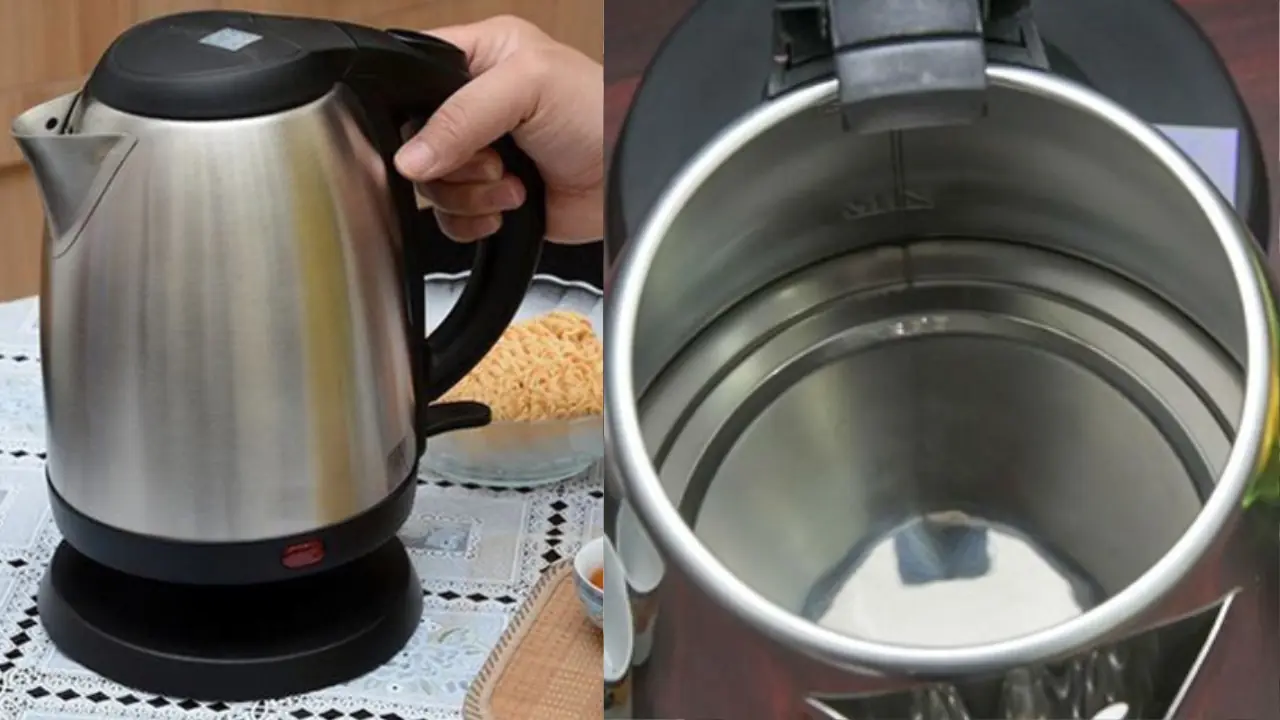
The type of water you use matters. Tap water with high levels of impurities, heavy metals, or contaminants can affect your health over time.
Better options:
- Filtered water
- Clean, safe drinking water
Using better-quality water reduces the burden on your body, including your kidneys.
5. Ignoring Rust or Damage
If your kettle shows signs of rust, peeling interior coating, or damage, it may release harmful particles into the water.
Warning signs:
- Unusual taste or smell
- Visible corrosion
- Discoloration inside the kettle
Replacing a damaged kettle is safer than continuing to use it.
6. Leaving Water Sitting Too Long
Leaving water inside the kettle for extended periods can lead to bacterial growth or changes in water quality.
Best practice:
- Empty the kettle after use
- Refill with fresh water before boiling
Fresh water ensures better taste and safety.
How These Habits May Affect Kidney Health
The kidneys filter waste and toxins from the bloodstream. Consuming water that contains impurities, concentrated minerals, or contaminants over time may increase the workload on the kidneys.
While these risks are generally low for healthy individuals, long-term exposure combined with other factors—such as poor diet or dehydration—may contribute to kidney stress.
Tips for Safe Kettle Use
To minimize risks and maintain good health:
- Clean your kettle regularly
- Use fresh, filtered water
- Avoid reboiling water multiple times
- Replace damaged kettles promptly
- Follow manufacturer instructions
These simple steps can improve both safety and water quality.
When to Be More Cautious
People with existing kidney conditions or weakened immune systems should be especially mindful of water quality and appliance hygiene. Consulting a healthcare professional for personalized advice is always recommended.
Conclusion
Electric kettles are convenient and safe when used properly. However, common mistakes—such as reboiling water, neglecting cleaning, or using poor-quality water—can affect the quality of what you consume.