But what exactly happens inside your body when you drink coffee every morning? Doctors and nutritionists have studied this deeply—and the truth is both fascinating and worth understanding.
Let’s dive in.
1. It Boosts Alertness and Mental Focus

Coffee’s main active ingredient, caffeine, is a natural stimulant that works by blocking adenosine, a neurotransmitter that promotes sleepiness. This allows other brain chemicals like dopamine and norepinephrine to surge, helping you feel awake and alert.
What this means for you:
-
Increases attention span and concentration
-
Enhances short-term memory and problem-solving
-
Improves reaction time and overall mental clarity
☕ Why it matters: That morning cup helps clear away grogginess, sharpen your thinking, and give your productivity a powerful head start. Many people find their creativity and focus peak within 30–60 minutes of drinking coffee.
2. It Lifts Your Mood and Emotional Energy

Beyond its mental effects, caffeine can also enhance your emotional well-being. By stimulating dopamine—the “feel-good” neurotransmitter—coffee may make you feel more positive and motivated.
Medical research suggests that moderate, daily coffee consumption is linked to:
-
A lower risk of depression (especially in women)
-
Reduced feelings of fatigue and irritability
-
Better emotional resilience during stressful mornings
💡 Fun fact: Studies show that people who drink 2–3 cups of coffee per day are up to 20% less likely to experience depression compared to non-coffee drinkers.
In short, coffee doesn’t just wake up your brain—it can help you wake up happier.
3. It Can Support Fat Burning and a Faster Metabolism
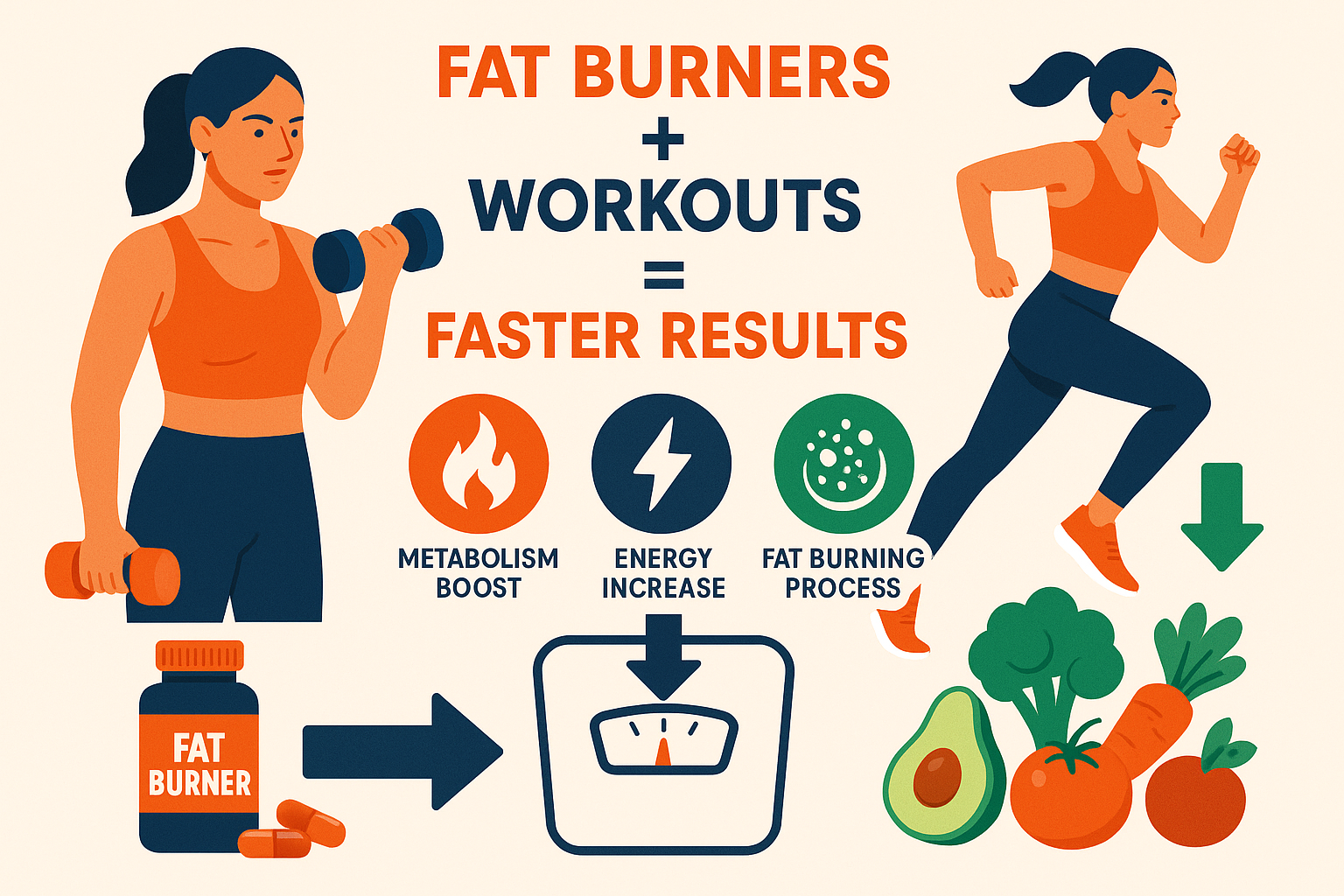
Caffeine naturally increases thermogenesis, the process by which your body burns calories to produce heat. This helps your metabolism run slightly faster, even at rest.
When paired with regular exercise and a balanced diet, caffeine can:
-
Increase calorie burn by 3–11% temporarily
-
Enhance endurance and athletic performance
-
Mobilize fat from tissues, making it available for energy use
⚠️ However: Coffee is not a magic weight-loss solution. It works best as a supportive tool alongside proper nutrition, hydration, and consistent activity.
4. It’s Loaded With Antioxidants and Protective Compounds
Surprisingly, coffee is one of the richest sources of antioxidants in the modern diet—often providing more than many fruits and vegetables combined.
These antioxidants, including chlorogenic acid and polyphenols, help your body:
-
Neutralize free radicals that cause cell damage
-
Reduce chronic inflammation
-
Protect against heart disease and neurodegenerative disorders like Alzheimer’s and Parkinson’s
🧠 In other words: Your morning brew isn’t just waking you up—it’s also quietly supporting your long-term brain and heart health.
5. It May Enhance Gut Health and Longevity
Recent research shows that coffee drinkers often have a more diverse gut microbiome, which supports digestion and immunity. Moderate coffee consumption has also been linked to a lower risk of liver disease, type 2 diabetes, and even certain cancers.
In fact, long-term studies suggest that coffee drinkers may live longer on average than those who avoid it—thanks to its anti-inflammatory and metabolic benefits.
Potential Downsides of Daily Coffee
Like all good things, balance matters. Overdoing it on caffeine can have unpleasant side effects such as:
-
Restlessness or anxiety
-
Heart palpitations or jitteriness
-
Digestive discomfort, especially if you drink coffee on an empty stomach
-
Sleep disturbances, even if you feel tired at bedtime
And yes—caffeine can be habit-forming. If you skip your usual cup, you might experience headaches, fatigue, or irritability for a day or two as your body adjusts.
How Much Is Too Much?
Health experts generally recommend no more than 400 mg of caffeine per day, which equals roughly:
-
☕ 3–4 cups of regular brewed coffee
-
🥤 2 large café-style lattes or cappuccinos
If you’re pregnant, breastfeeding, or sensitive to caffeine, your safe limit may be lower—closer to 200 mg per day.
Best Practices for Healthy Coffee Habits
To enjoy coffee’s benefits without the downsides, doctors recommend the following:
✅ Stick to moderation – 1 to 3 cups a day is usually ideal.
🌙 Avoid late-night coffee – Cut it off at least 6 hours before bedtime to prevent sleep disruption.
🍯 Watch your add-ins – Skip excess sugar and heavy cream; try black coffee or plant-based milk instead.
🍽️ Pair it with food – Helps neutralize acidity and protect your stomach lining.
💧 Stay hydrated – Caffeine is mildly diuretic, so drink water throughout the day.
In Summary
Coffee can be an amazing daily ally for:
-
Better focus and productivity
-
A happier mood
-
Metabolic support and energy
-
Antioxidant protection for long-term health
Just remember: moderation is key. One or two mindful cups in the morning can energize your day, enhance your mood, and support your health—without harming your sleep or digestion.
☕ Drink smart, feel better, and savor the ritual—your morning cup might be doing more good than you realize.