What Your Body Might Be Telling You When You Have Leg Cramps at Night
Waking up in the middle of the night with a sudden, sharp pain in your leg is something many people have experienced at least once. That intense tightening—often in the calf—can feel almost unbearable, forcing you to sit up, stretch, or massage the muscle until it slowly relaxes.
While occasional leg cramps can be harmless, frequent nighttime cramps may be your body trying to send a deeper message. Instead of ignoring them, it’s worth understanding what could be going on beneath the surface.
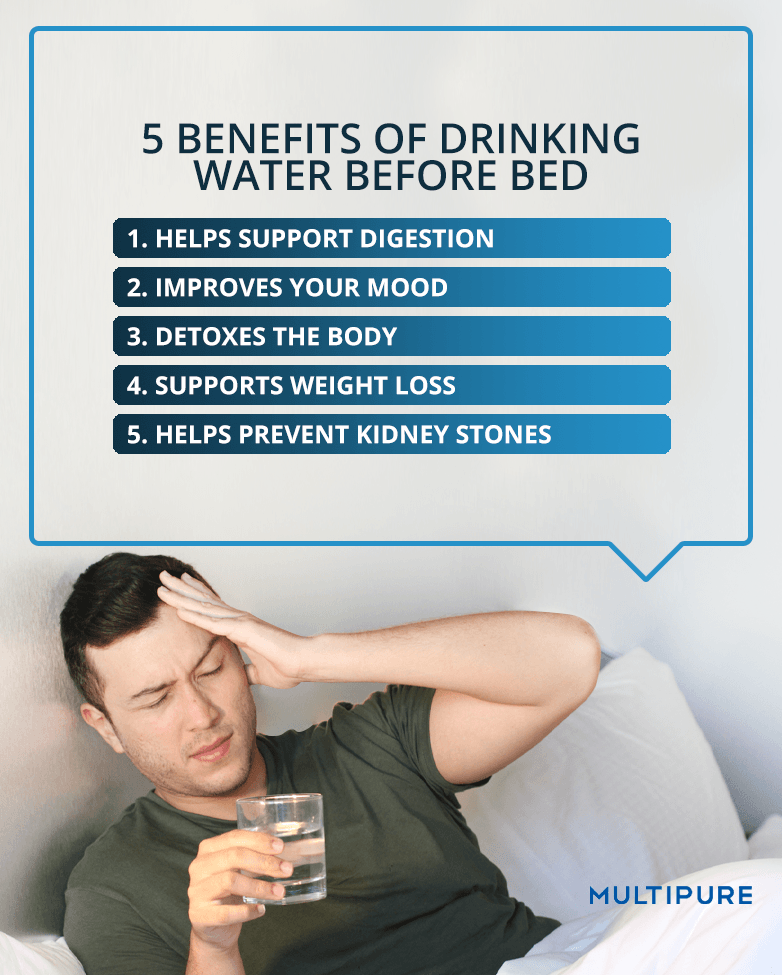
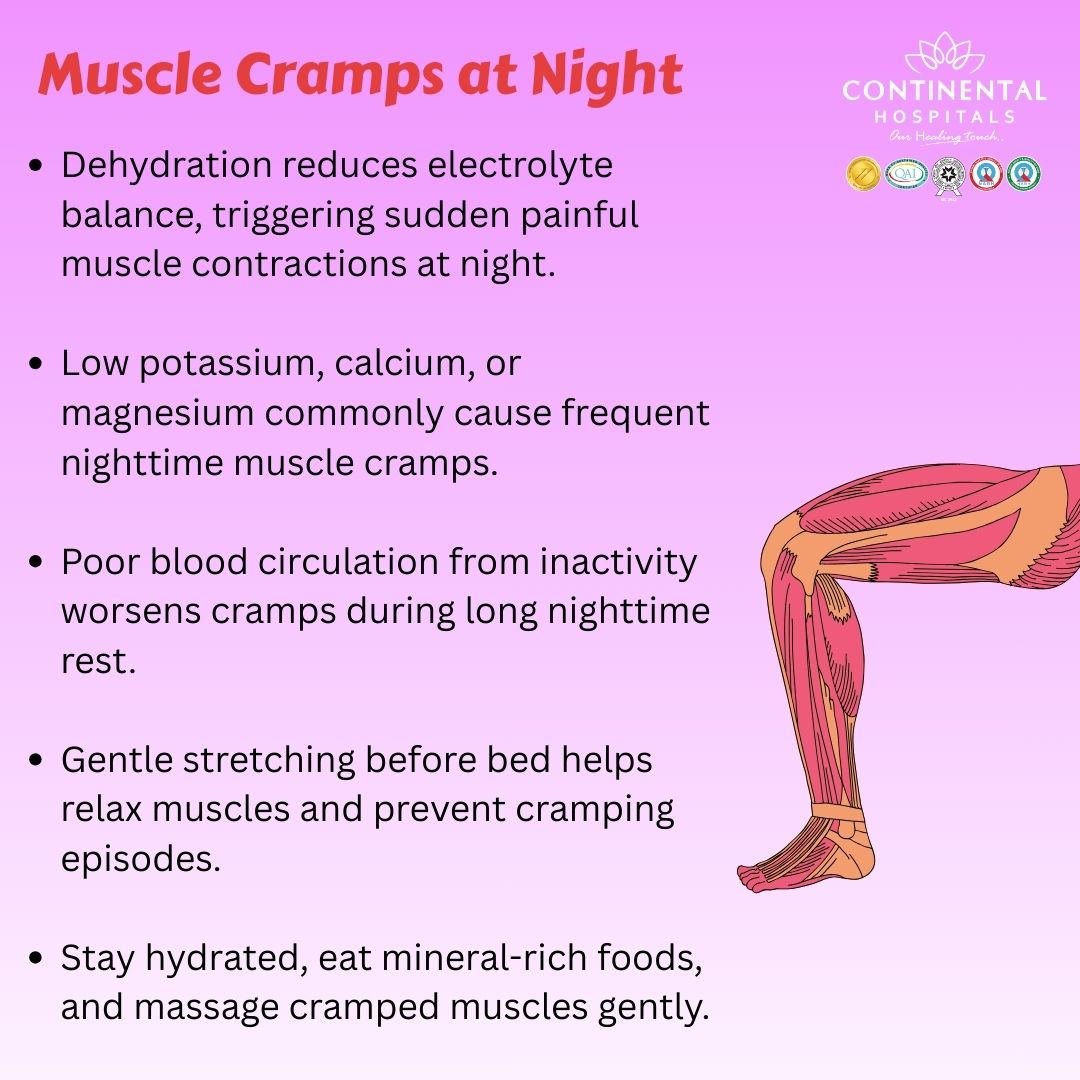
1. Dehydration – The Most Common Culprit

 4
If your body doesn’t have enough fluids, your muscles are more likely to cramp. Water plays a key role in maintaining proper muscle function, and when hydration levels drop, the balance of electrolytes—like sodium, potassium, and magnesium—can be disrupted.
This imbalance makes muscles more sensitive and prone to sudden contractions, especially during rest at night.
Signs you might be dehydrated:
- Dry mouth or lips
- Dark yellow urine
- Feeling tired or dizzy
- Muscle tightness before sleep
What to do:
Stay consistent with your water intake throughout the day. Don’t wait until you feel thirsty—that’s already a late signal.
2. Mineral Deficiency – Your Muscles Need Fuel


 4
Your muscles rely on essential minerals to contract and relax properly. A lack of key nutrients—especially magnesium, potassium, and calcium—can trigger cramps.
For example:
- Magnesium helps muscles relax
- Potassium supports nerve signals
- Calcium is essential for muscle contraction
When these are out of balance, your muscles may “misfire,” leading to painful spasms during sleep.
Who is at risk:
- People with poor diets
- Those on strict weight-loss plans
- Pregnant women
- Individuals under high stress
What to do:
Incorporate foods like bananas, leafy greens, nuts, seeds, and dairy into your diet. If needed, consult a professional before taking supplements.
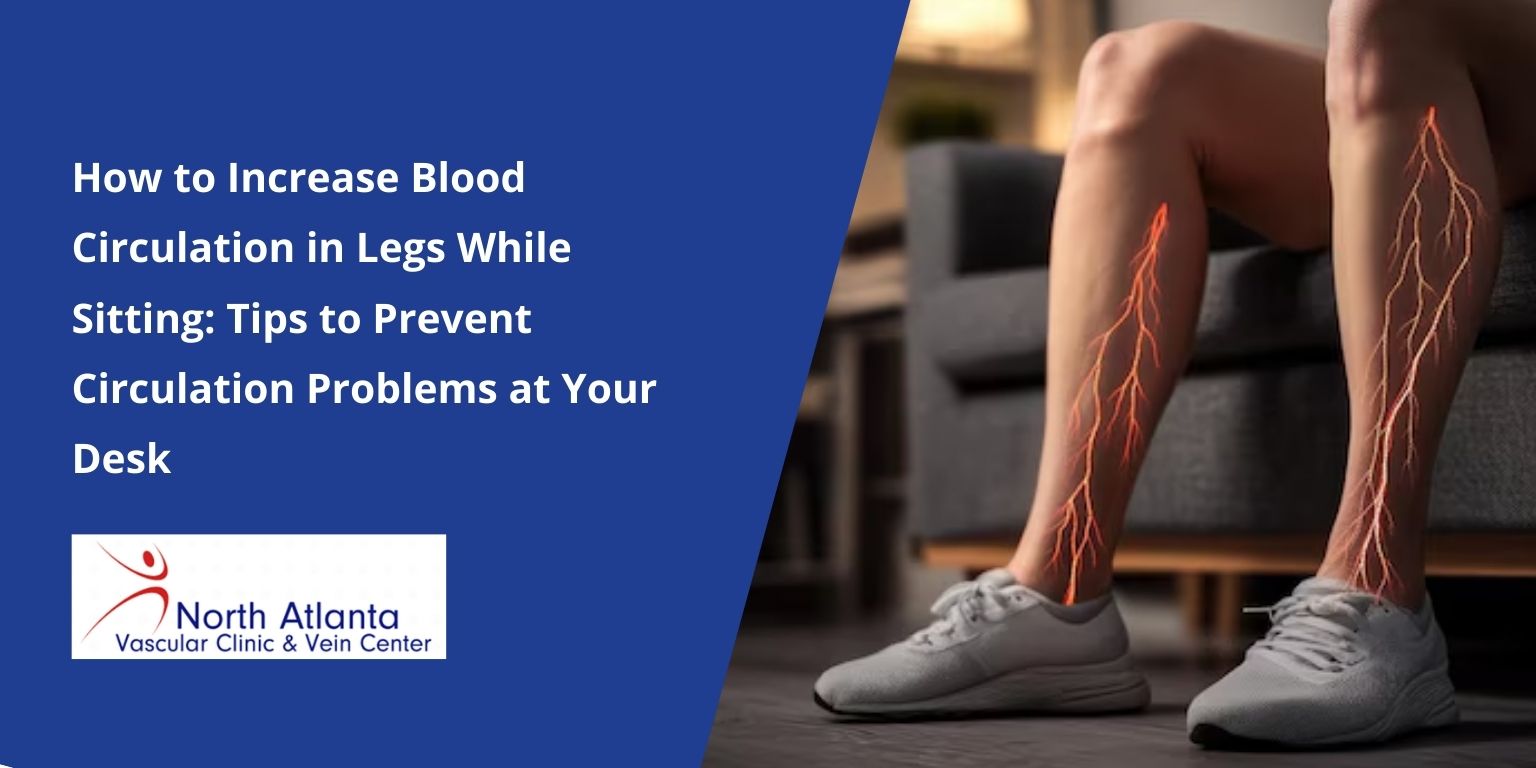
3. Poor Blood Circulation

 4
If blood flow to your legs is restricted, your muscles may not receive enough oxygen and nutrients. This can lead to cramping, especially when your body is at rest.
Common causes include:
- Sitting or standing for long periods
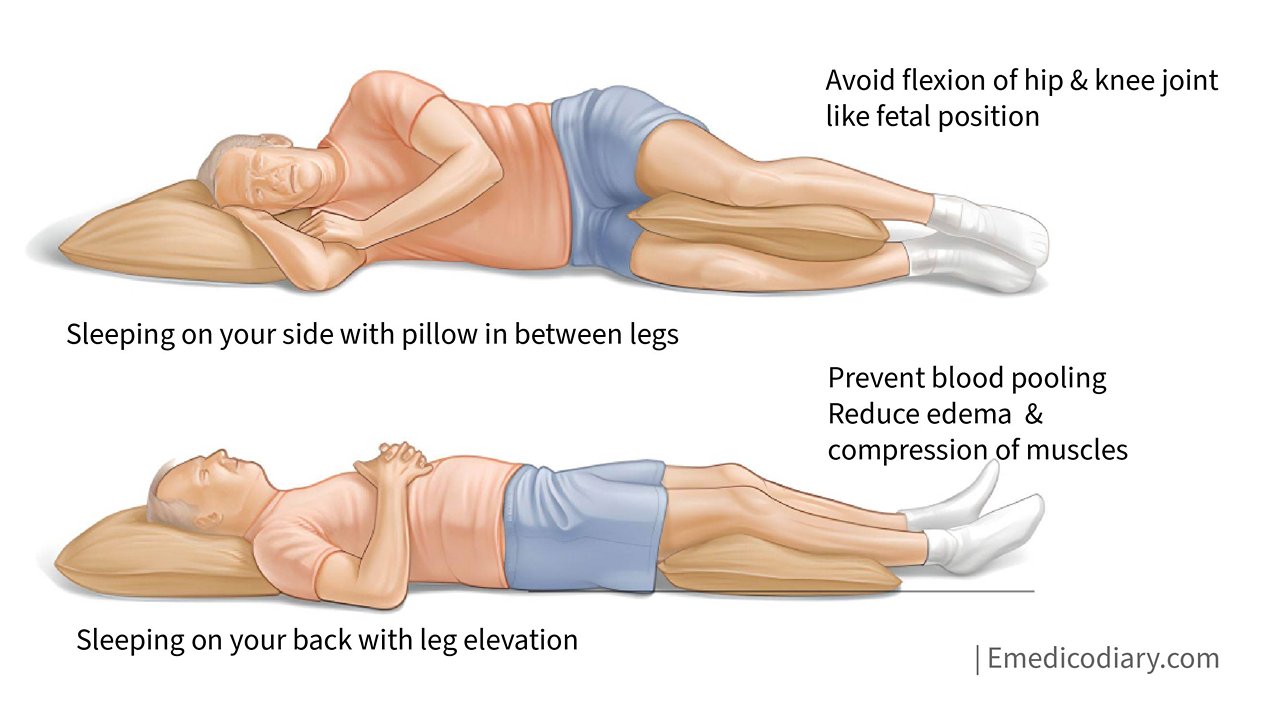
- Sleeping in awkward positions
- Wearing tight clothing
- Lack of physical activity
Warning signs:
- Cold feet
- Tingling or numbness
- Legs feel heavy or stiff
What to do:
Stretch before bed, adjust your sleeping position, and stay active during the day to promote healthy circulation.
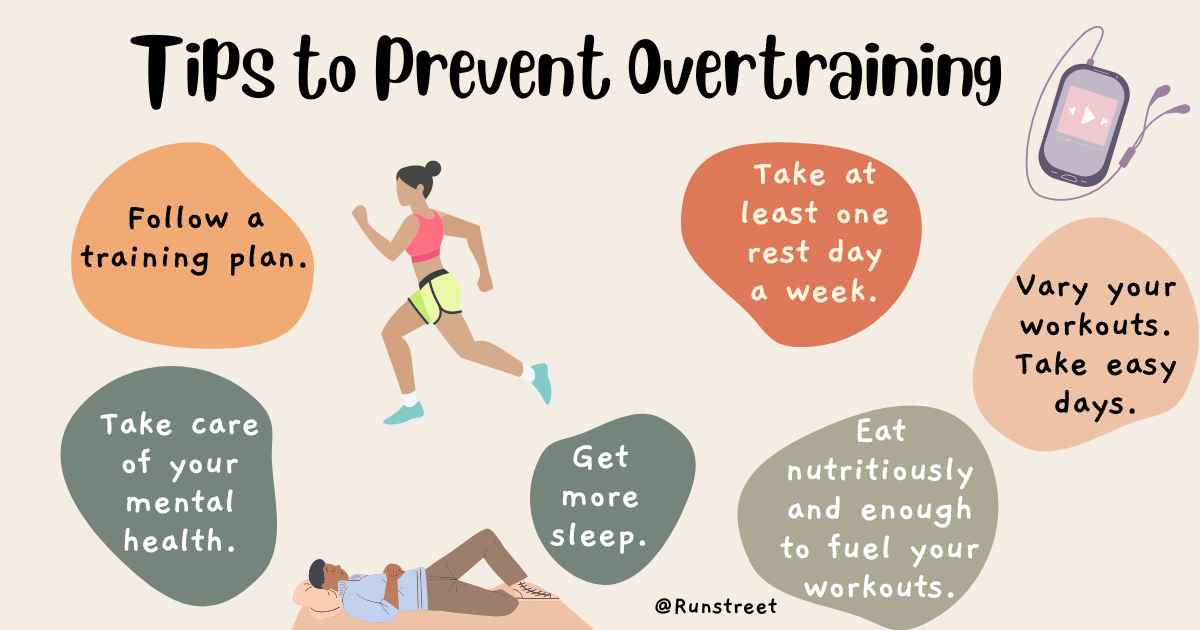
4. Overworked Muscles

 4
If you’ve had a physically demanding day—standing, walking, or exercising more than usual—your muscles may become fatigued. Overworked muscles are more likely to cramp during the night as they try to recover.
Common scenarios:
- Intense workouts without proper stretching
- Long hours on your feet
- Sudden increase in physical activity
What to do:
Always stretch after exercise and before bed. Gentle massage or a warm bath can also help relax tired muscles.
5. Underlying Health Conditions


 4
Sometimes, leg cramps are not just about lifestyle—they can be linked to medical conditions such as:
- Nerve disorders
- Diabetes
- Kidney issues
- Circulatory diseases
If cramps happen frequently and are accompanied by other symptoms, it’s important to take them seriously.
Red flags:
- Cramps every night
- Severe pain lasting several minutes
- Swelling or redness
- Weakness in the legs
What to do:
Seek medical advice to rule out any underlying conditions.
Why Do Leg Cramps Happen at Night?
At night, your body is at rest, and blood circulation naturally slows down. Muscles that are already tense, fatigued, or lacking nutrients become more vulnerable to cramping.
Also, when you lie down:
- Your feet may point downward, shortening calf muscles
- Circulation changes due to body position
- Dehydration effects become more noticeable
This combination makes nighttime the perfect “storm” for cramps to occur.
How to Prevent Nighttime Leg Cramps
Here are some simple but effective strategies:
- Stay hydrated throughout the day
- Stretch your legs before going to bed
- Maintain a balanced diet rich in minerals
- Avoid sitting too long without movement
- Wear comfortable clothing while sleeping
- Keep your muscles warm at night
Final Thoughts
Leg cramps at night may seem like a small inconvenience, but they can reveal a lot about your overall health. Whether it’s dehydration, nutrient imbalance, poor circulation, or something more serious, your body is trying to communicate.
Don’t just ignore the pain and go back to sleep. Listen to what your body is telling you.
Because sometimes, even a simple cramp can be a signal worth paying attention to.