
If Your Skin Looks Like This, Here’s What It Could Really Mean
Your skin is more than just an outer layer—it often reflects what’s happening inside your body. Subtle changes in texture, color, or appearance may be early warning signs of underlying health issues.
According to health sources, certain skin symptoms should not be ignored, as they may indicate nutritional deficiencies, hormonal imbalances, or even more serious conditions.
1. Dry, Flaky Skin
If your skin becomes unusually dry, rough, or flaky, it may be more than just a reaction to weather.
Possible causes include:
- Dehydration
- Vitamin deficiencies (especially vitamins A and E)
- Thyroid issues
Persistent dryness may signal that your body is lacking essential nutrients or hydration.
2. Yellowish Skin Tone
A yellow tint to the skin—especially noticeable in the face or eyes—can be a sign of liver-related problems.
This may be linked to:
- Jaundice
- Liver dysfunction
- Bile flow issues
If this symptom appears suddenly or worsens, it is important to seek medical evaluation.
3. Dark Patches or Discoloration
Darkened areas of skin, particularly around the neck, armpits, or joints, may be associated with insulin resistance.
This condition can be an early warning sign of:
- Prediabetes
- Type 2 diabetes
Such changes should not be ignored, especially if they develop gradually over time.
4. Persistent Acne or Breakouts
While acne is common, persistent or severe breakouts may indicate internal imbalances.
Possible underlying causes include:
- Hormonal changes
- Stress
- Digestive issues
Adult acne, in particular, may reflect deeper health concerns rather than just skin problems.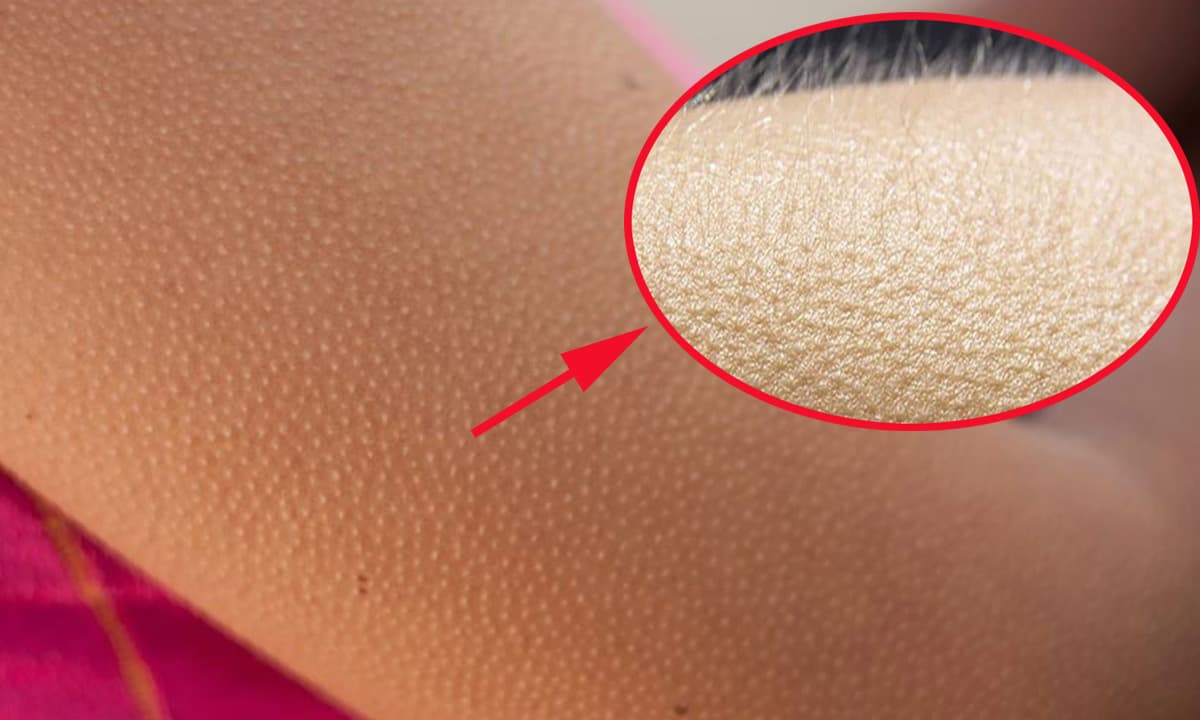
5. Itchy Skin Without a Clear Cause
Unexplained itching that persists without visible irritation may be linked to internal issues such as:
- Liver or kidney problems
- Allergic reactions
- Circulatory issues
Chronic itching should be evaluated, especially if it affects sleep or daily life.
6. Pale or Dull Skin
If your skin looks unusually pale or lacks its natural glow, it could be a sign of:
- Anemia
- Poor circulation
- Nutritional deficiencies
This may also be accompanied by fatigue or weakness.
Why You Should Pay Attention
Skin changes are often one of the earliest signs that something in the body is not functioning properly. While many causes are harmless, some may point to more serious conditions if left untreated.
Recognizing these signals early can help you take action before the problem becomes more severe.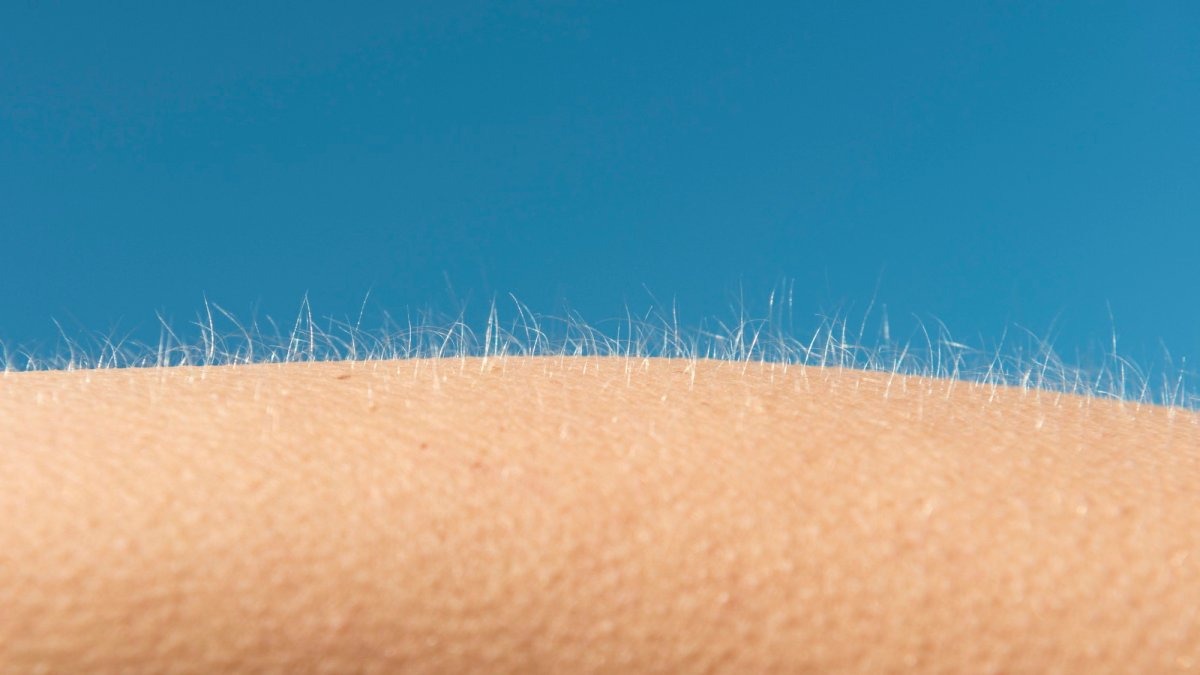
What You Should Do
If you notice persistent or unusual changes in your skin:
- Monitor the symptoms
- Improve hydration and nutrition
- Seek medical advice if symptoms do not improve
Early detection is key to maintaining overall health.
Conclusion
Your skin can reveal important clues about your internal health. From dryness and discoloration to itching and acne, these signs may indicate underlying issues that deserve attention.
Listening to your body—and your skin—can help you stay healthier in the long run.