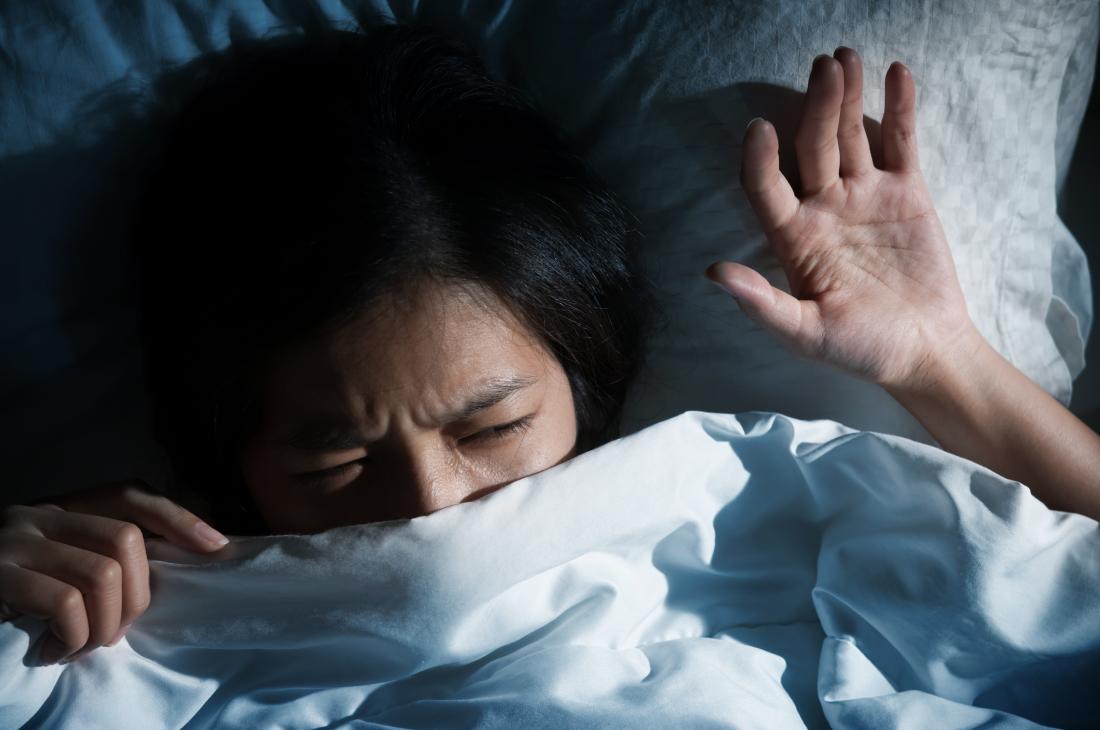
Imagine waking up in the middle of the night, fully aware of your surroundings—but unable to move, speak, or even call for help. You try to scream, but no sound comes out. Your body feels frozen, as if it no longer belongs to you. For many people, this experience is not a dream, but a real condition known as sleep paralysis.
Although it can be frightening, sleep paralysis is a relatively common phenomenon and is usually harmless. Understanding why it happens and what it means can help reduce fear and give you a sense of control.
What Is Sleep Paralysis?
Sleep paralysis occurs when your mind wakes up, but your body remains temporarily unable to move. It typically happens during the transition between sleep and wakefulness—either when you are falling asleep or waking up.
During sleep, especially in the REM (rapid eye movement) stage, your body naturally enters a state of muscle relaxation. This prevents you from physically acting out your dreams. However, in sleep paralysis, this “switch” doesn’t turn off immediately when your brain wakes up.
As a result:
- You are conscious but unable to move
- You may feel pressure on your chest
- You might struggle to speak or call out
This state usually lasts a few seconds to a couple of minutes, though it can feel much longer.

Why Does It Happen?
Sleep paralysis is linked to disruptions in your sleep cycle. Several factors can increase the likelihood of experiencing it:
- Irregular sleep patterns: Staying up late or inconsistent sleep schedules
- Sleep deprivation: Not getting enough rest
- Stress and anxiety: Mental tension affecting sleep quality
- Sleeping on your back: A position commonly associated with episodes
- Certain sleep disorders: Such as narcolepsy
When your sleep cycle is disturbed, the coordination between your brain and body can become temporarily misaligned.
Common Sensations During Sleep Paralysis
People who experience sleep paralysis often report similar sensations, including:
- A feeling of being unable to move or speak
- Pressure on the chest or difficulty breathing
- A sense of fear or panic
- Vivid hallucinations (seeing or hearing things that aren’t there)
These hallucinations can feel extremely real, which is why sleep paralysis is often mistaken for supernatural experiences in different cultures.
The Role of the Brain and Fear Response
During sleep paralysis, your brain may still be partially in a dream state. This can trigger the amygdala—the part of the brain responsible for fear—leading to intense emotional reactions.
Because your body cannot move, your brain may interpret this as a threat, amplifying fear and making the experience more distressing.
However, it’s important to remember that:
- You are not in danger
- Your body will regain control shortly
- The episode will pass on its own
Is Sleep Paralysis Dangerous?
In most cases, sleep paralysis is not harmful. It does not cause physical damage and does not indicate a serious medical condition for the majority of people.
However, frequent episodes may:
- Disrupt sleep quality
- Increase anxiety around sleeping
- Be linked to underlying sleep disorders
If it happens often or becomes distressing, it may be helpful to consult a healthcare professional.
How to Reduce or Prevent Sleep Paralysis
While you may not be able to eliminate sleep paralysis completely, certain habits can significantly reduce its occurrence:
- Maintain a consistent sleep schedule
- Get enough sleep each night (7–9 hours)
- Reduce stress through relaxation techniques
- Avoid sleeping on your back if it triggers episodes
- Limit screen time before bed
Creating a stable and relaxing sleep routine helps your brain and body stay synchronized.
What to Do During an Episode
If you find yourself in the middle of sleep paralysis, staying calm is key. Although it may feel overwhelming, reminding yourself that the experience is temporary can reduce panic.
You can try:
- Focusing on slow, steady breathing
- Attempting small movements, like wiggling your fingers or toes
- Keeping your mind relaxed instead of resisting the experience
These strategies can help you regain control more quickly.

Conclusion
Being unable to move or scream while asleep can be a terrifying experience, but it is often a natural phenomenon known as sleep paralysis. It occurs when your mind wakes up before your body, creating a temporary disconnect between awareness and movement.
While the experience can feel intense, it is usually harmless and manageable. By understanding its causes and adopting healthy sleep habits, you can reduce its frequency and approach it with less fear.
Sometimes, the scariest experiences are simply your body’s way of reminding you that rest, balance, and mental well-being are more important than we realize.