Clogged pipes are one of the most common household problems, and they often happen at the most inconvenient times. Whether it’s a slow-draining sink, a backed-up shower, or a completely blocked kitchen drain, these issues can disrupt your daily routine and even lead to unpleasant odors or water damage if not addressed promptly.
The good news is that many minor blockages can be resolved with simple, effective methods using tools and materials you already have at home. Understanding the causes and solutions can save you time, money, and unnecessary stress.
Common Causes of Blocked Pipes
Before fixing a clog, it’s helpful to understand what might be causing it. Some of the most frequent culprits include:
- Food waste and grease in kitchen sinks
- Hair and soap residue in bathroom drains
- Foreign objects accidentally flushed or washed down
- Mineral buildup from hard water
Over time, these materials accumulate and restrict water flow, eventually leading to a blockage.
1. Use Boiling Water for Minor Clogs
One of the simplest and quickest solutions is pouring boiling water down the drain. This method is particularly effective for grease and soap buildup.
How it works:
- Boiling water helps dissolve fats and loosen debris
- It clears light blockages and improves water flow
Tips:
- Pour the water slowly in stages
- Avoid using this method on PVC pipes too frequently, as excessive heat may damage them
2. Try Baking Soda and Vinegar
This natural cleaning combination is a popular and eco-friendly way to break down clogs.
Steps:
- Pour half a cup of baking soda into the drain
- Add half a cup of vinegar
- Cover the drain and let the mixture sit for 15–30 minutes
- Flush with hot water
The chemical reaction helps loosen debris and remove odors without harsh chemicals.

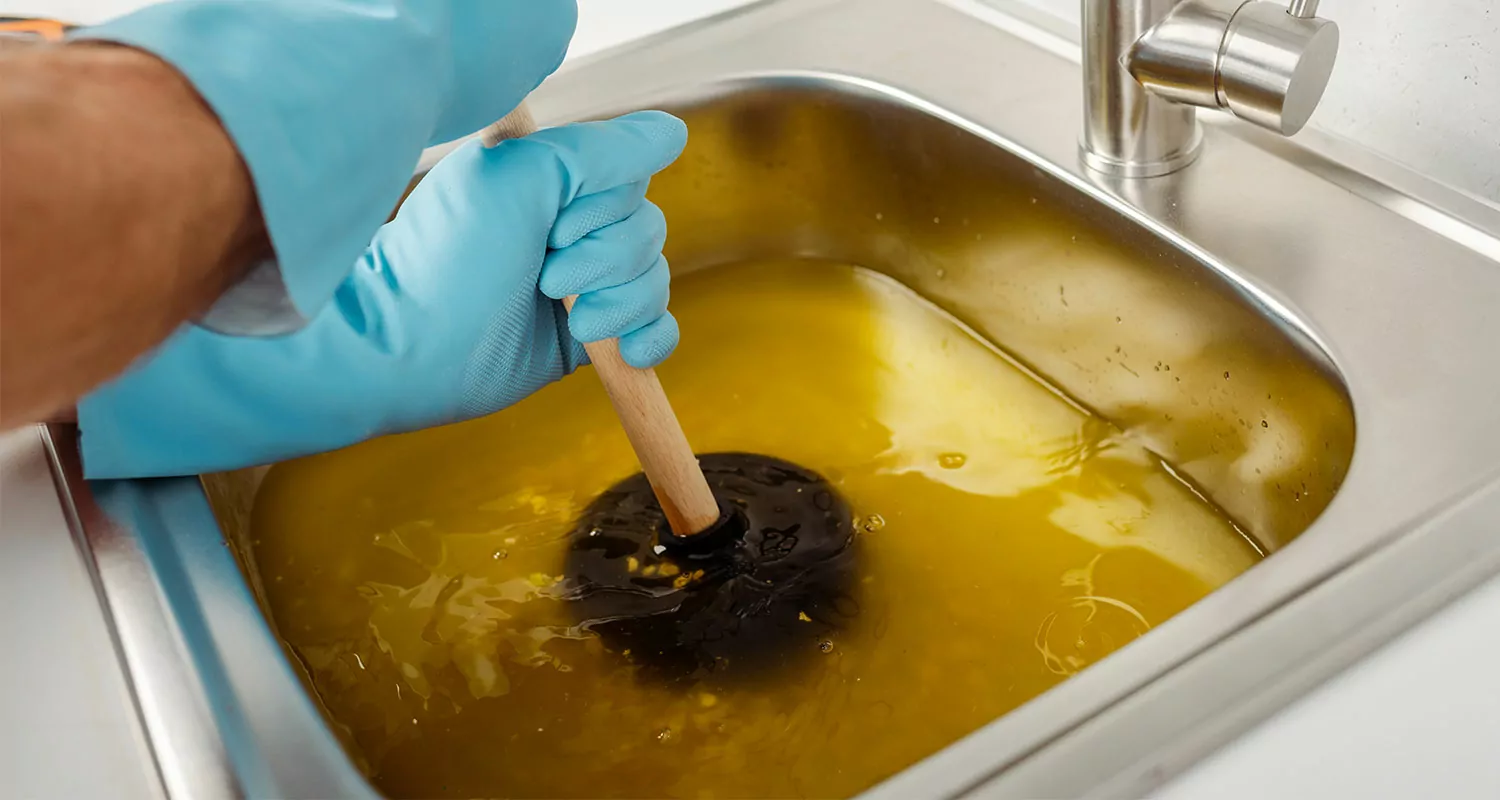
3. Use a Plunger Effectively
A plunger is a basic but powerful tool for clearing blockages caused by trapped air and debris.
How to use it:
- Ensure there is enough water to cover the plunger head
- Create a tight seal over the drain
- Push and pull firmly several times
This pressure can dislodge clogs and restore normal drainage.
4. Remove and Clean the Drain Trap
Under most sinks, there is a curved pipe (known as the P-trap) that can collect debris over time.
What to do:
- Place a bucket underneath to catch water
- Unscrew the trap carefully
- Remove any buildup inside
- Reattach securely
This method is especially useful when the clog is localized near the sink.
5. Use a Drain Snake or Wire
For deeper or more stubborn clogs, a drain snake (or even a straightened wire hanger) can help.
Benefits:
- Reaches further into the pipe
- Hooks onto hair, food particles, and debris
- Physically removes the blockage
Be gentle to avoid damaging the pipes.
6. Avoid Chemical Drain Cleaners
While chemical cleaners may seem like a quick fix, they can be harmful in the long run.
Risks include:
- Corrosion of pipes
- Release of toxic fumes
- Environmental damage
Natural or mechanical methods are generally safer and more sustainable.
7. Prevent Future Clogs
Prevention is always better than repair. Simple daily habits can significantly reduce the risk of blocked pipes.
Practical tips:
- Avoid pouring grease or oil down the sink
- Use drain covers to catch hair and debris
- Run hot water after washing dishes
- Clean drains regularly with natural solutions
Consistent maintenance helps keep your plumbing system functioning smoothly.
When to Call a Professional
While many clogs can be handled at home, some situations require expert help:
- Recurring blockages despite repeated cleaning
- Multiple drains clogged at the same time
- Foul odors that persist
- Water backing up into sinks or tubs
These may indicate deeper issues within your plumbing system.

Conclusion
Blocked pipes are a common but manageable household issue. With simple tools and practical techniques like boiling water, baking soda and vinegar, plungers, and drain snakes, you can resolve many clogs quickly and safely.
By combining these methods with good maintenance habits, you can prevent future problems and keep your home’s plumbing system running efficiently. Sometimes, the simplest solutions are the most effective—and a little effort can go a long way in avoiding bigger issues down the line.