Showering is a basic part of daily hygiene, but how often you should shower is not as straightforward as many people think. While some believe in showering once or even twice a day, others may shower less frequently without any negative effects. The truth is that the ideal showering routine depends on several factors, including your lifestyle, skin type, climate, and overall health.
Understanding what your body actually needs can help you maintain cleanliness without damaging your skin or disrupting its natural balance.
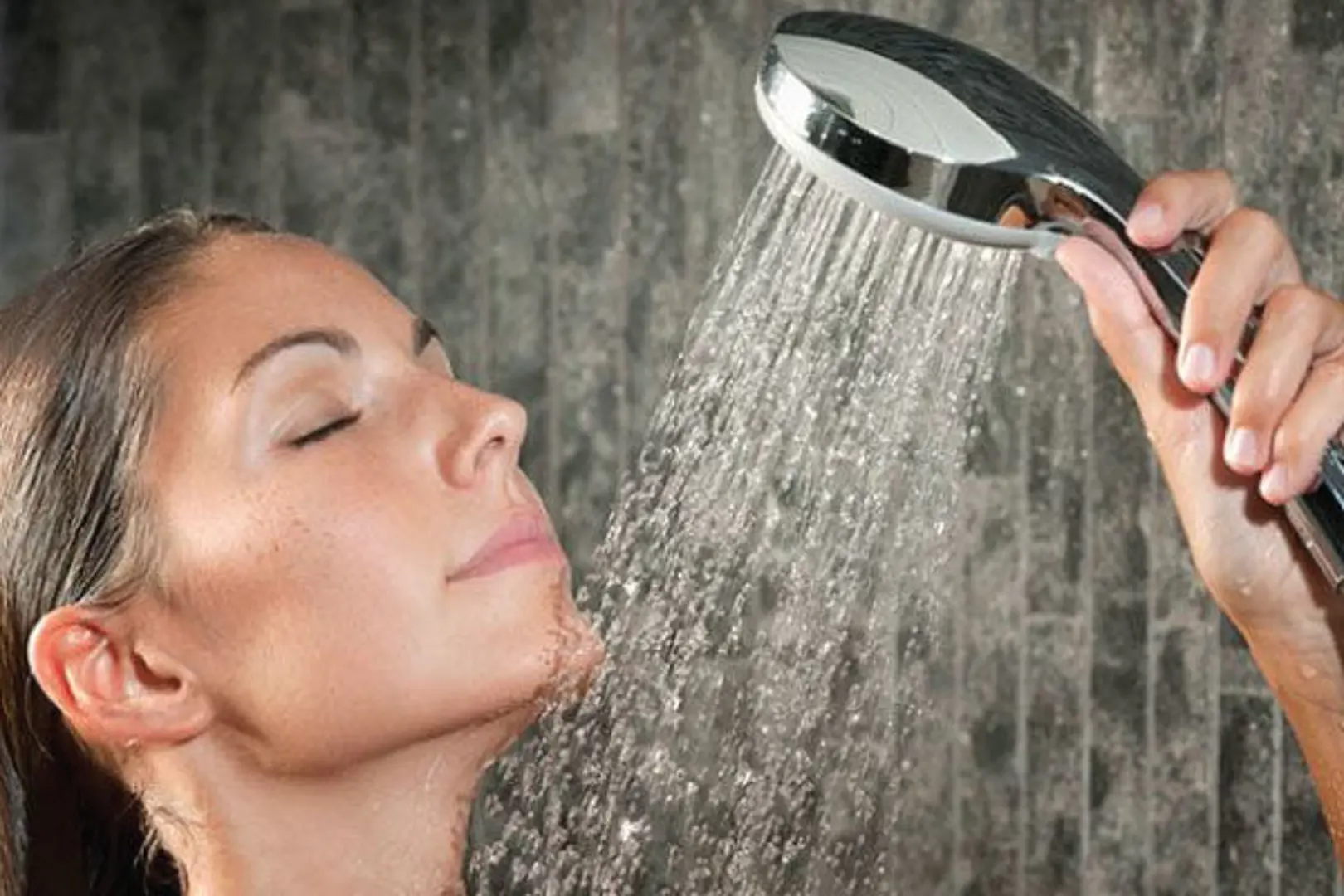
Why Showering Matters
Showering helps remove:
- Sweat and body odor
- Dirt and environmental pollutants
- Bacteria and dead skin cells
It also provides a refreshing feeling and can improve mental well-being. However, excessive showering—especially with hot water and harsh soaps—can strip the skin of its natural oils, leading to dryness and irritation.
Is Daily Showering Necessary?
For many people, showering once a day is common, but it is not always necessary. In fact, dermatologists often suggest that showering every other day may be sufficient for individuals with a relatively low activity level.
Daily showers may be beneficial if you:
- Exercise regularly or sweat heavily
- Live in hot or humid climates
- Work in environments with dust, dirt, or chemicals
On the other hand, if you spend most of your time indoors and do not sweat much, showering less frequently can still maintain good hygiene.
Factors That Influence How Often You Should Shower
1. Your Activity Level
If you engage in physical activities, workouts, or outdoor labor, you may need to shower daily to remove sweat and bacteria.
2. Climate and Environment
People living in hot and humid regions tend to sweat more, making more frequent showers necessary. In cooler climates, less frequent showering may be enough.
3. Skin Type
- Dry or sensitive skin: Showering too often can worsen dryness and irritation
- Oily skin: More frequent cleansing may be helpful, but overdoing it can still cause imbalance
4. Age and Health Conditions
Children and older adults often have more delicate skin and may not need daily showers. Certain skin conditions, such as eczema, also require careful showering habits.

Potential Risks of Showering Too Often
While cleanliness is important, excessive showering can have downsides:
- Dry skin: Loss of natural oils leads to flaking and irritation
- Weakened skin barrier: Makes skin more vulnerable to bacteria and allergens
- Imbalance of natural microbiome: Reduces beneficial bacteria on the skin
Using very hot water and strong soaps can worsen these effects.
Tips for Healthy Showering Habits
To maintain both hygiene and skin health, consider the following:
- Use lukewarm water instead of hot water
- Limit showers to 5–10 minutes
- Choose mild, fragrance-free cleansers
- Moisturize your skin after showering
- Focus on key areas (underarms, feet, groin) rather than over-washing the entire body
These simple adjustments can make a big difference in maintaining healthy skin.
So, What’s the Ideal Frequency?
There is no universal rule, but a general guideline is:
- Every day: If you sweat heavily or live in a hot climate
- Every 1–2 days: For most people with moderate activity
- 2–3 times per week: For those with dry skin or low activity levels
Ultimately, the best approach is to listen to your body and adjust your routine accordingly.

Conclusion
Showering is essential for hygiene, but more is not always better. The ideal frequency depends on your lifestyle, environment, and skin needs. Finding the right balance allows you to stay clean while protecting your skin’s natural barrier.
Instead of following a strict rule, focus on what works best for your body. With the right habits, you can maintain both cleanliness and long-term skin health - without overdoing it.