Breast cancer does not always begin with an obvious lump. In some cases, there may be no noticeable symptoms during the early stages, which is why appropriate breast-cancer screening and awareness are important.
When symptoms do occur, they can affect the breast, nipple, surrounding skin, or nearby lymph nodes. However, it is important to remember that having one of these symptoms does not mean you have breast cancer. Many breast changes are caused by harmless conditions, hormonal fluctuations, infections, injuries, or other health issues.
The most important thing is to recognize a new, persistent, or unusual change from what is normal for you and have it evaluated when appropriate.
Here are 15 potential symptoms and changes worth knowing.
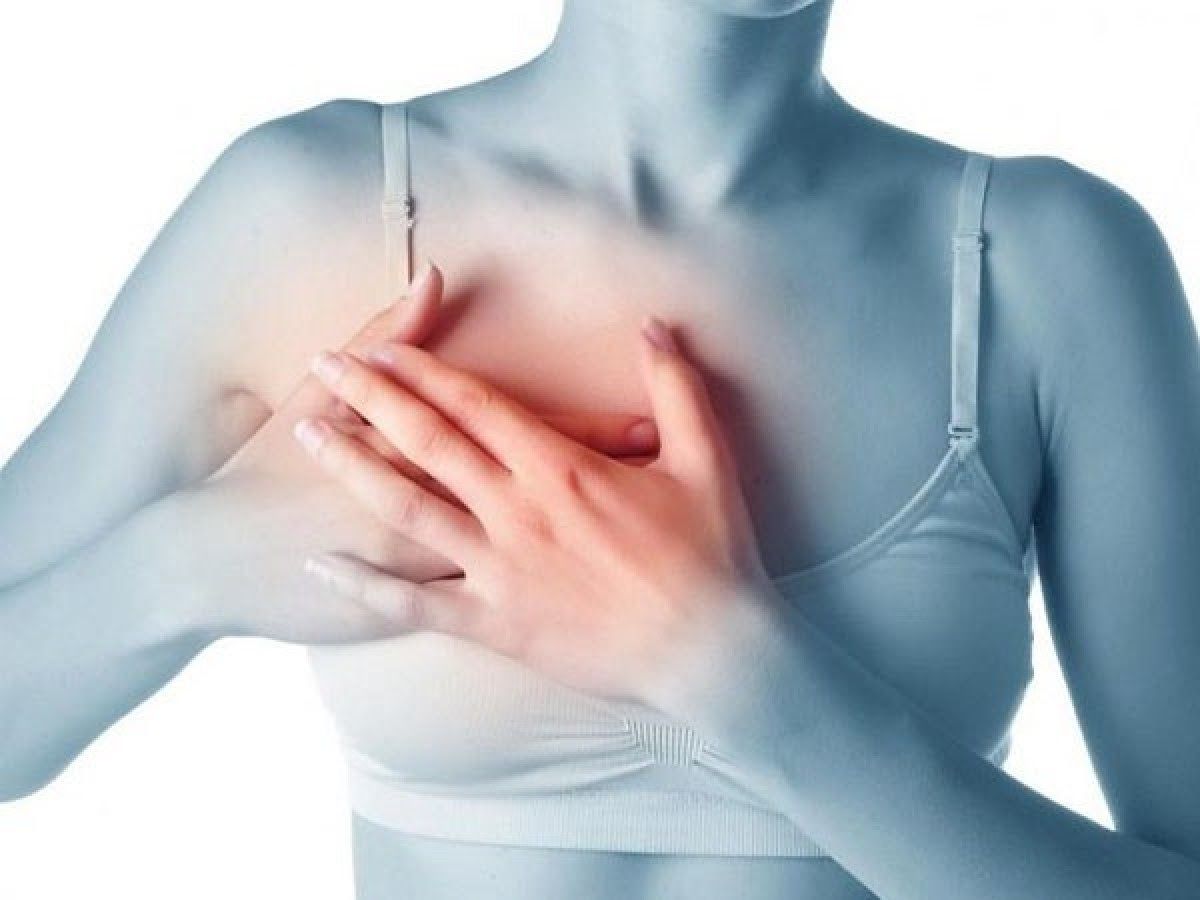
1. A New Lump or Mass in the Breast
A new breast lump is one of the most commonly recognized potential signs of breast cancer.
A suspicious lump may feel:
-
Firm or hard
-
Irregular
-
Different from surrounding tissue
-
Fixed in place rather than easily movable
However, breast cancer lumps don't all feel the same. Some can be soft, rounded, or even painful.
More importantly, most breast lumps are not cancerous.
Benign cysts, fibroadenomas, hormonal changes, infections, and other conditions can also produce lumps.
If you discover a new lump that wasn't there before, don't immediately assume the worst. Instead, arrange an evaluation with a healthcare professional.
2. A Lump or Swelling Under the Arm
Breast tissue extends toward the armpit, and several lymph nodes are located in this area.
A new lump or swelling under the arm can sometimes be associated with breast cancer, particularly when cancer has affected nearby lymph nodes.
However, swollen lymph nodes are much more commonly caused by:
-
Infections
-
Skin irritation
-
Inflammation
-
Recent vaccinations
-
Other immune responses
A lump that remains present, grows, or has no obvious explanation should be checked.
3. Swelling of Part or All of a Breast
Breast cancer can sometimes cause swelling even when there isn't a clearly defined lump.
You might notice:
-
One breast suddenly appears fuller
-
A specific area looks swollen
-
The breast feels heavier than usual
-
Swelling persists beyond your normal hormonal cycle
Breast swelling can also occur because of pregnancy, menstruation, breastfeeding, infection, injury, or benign breast conditions.
The key is whether the change is new, unusual, or persistent.
4. A Change in Breast Size or Shape
Breasts naturally change throughout life.
Changes can occur because of:
-
Menstrual cycles
-
Pregnancy
-
Breastfeeding
-
Menopause
-
Weight changes
-
Hormonal medications
-
Aging
However, a new and unexplained difference in the size or shape of one breast deserves attention.
You might notice that one breast:
-
Looks larger than usual
-
Has developed a different contour
-
Appears differently positioned
-
Suddenly looks asymmetrical
Breast asymmetry itself is extremely common, so the important factor is a new change from your usual appearance.
5. Skin Dimpling or Puckering
Changes in the skin over the breast can sometimes be associated with an underlying breast condition.
You may notice:
-
Small indentations
-
Puckering
-
Pulling of the skin inward
-
A texture that resembles an orange peel
These changes can happen when tissues beneath the skin pull on or alter the normal structure.
Not every indentation means cancer. Previous surgery, injury, inflammation, or benign conditions can sometimes change the appearance of breast skin.