
How often should you shower?
How often is it recommended to shower?
Health 26/03/2026 17:36
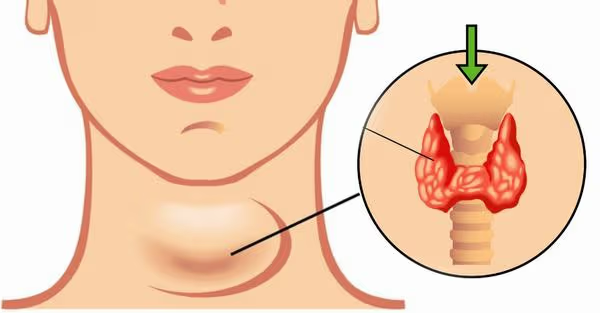
The thyroid is a small, butterfly-shaped gland located in the neck, yet it plays a powerful role in regulating metabolism, energy levels, and overall hormonal balance. Because of its importance, even small disruptions in thyroid function can have noticeable effects on the body.
While diet is essential for maintaining thyroid health, not all foods are beneficial when consumed in excess. In fact, specialists warn that overconsumption of certain foods—especially those containing compounds known as goitrogens—may interfere with normal thyroid function.
The thyroid produces hormones such as thyroxine (T4) and triiodothyronine (T3), which control how your body uses energy. These hormones influence:
For the thyroid to function properly, it requires adequate iodine and a balanced intake of nutrients. Disruptions - whether from deficiency or dietary imbalance can affect hormone production.
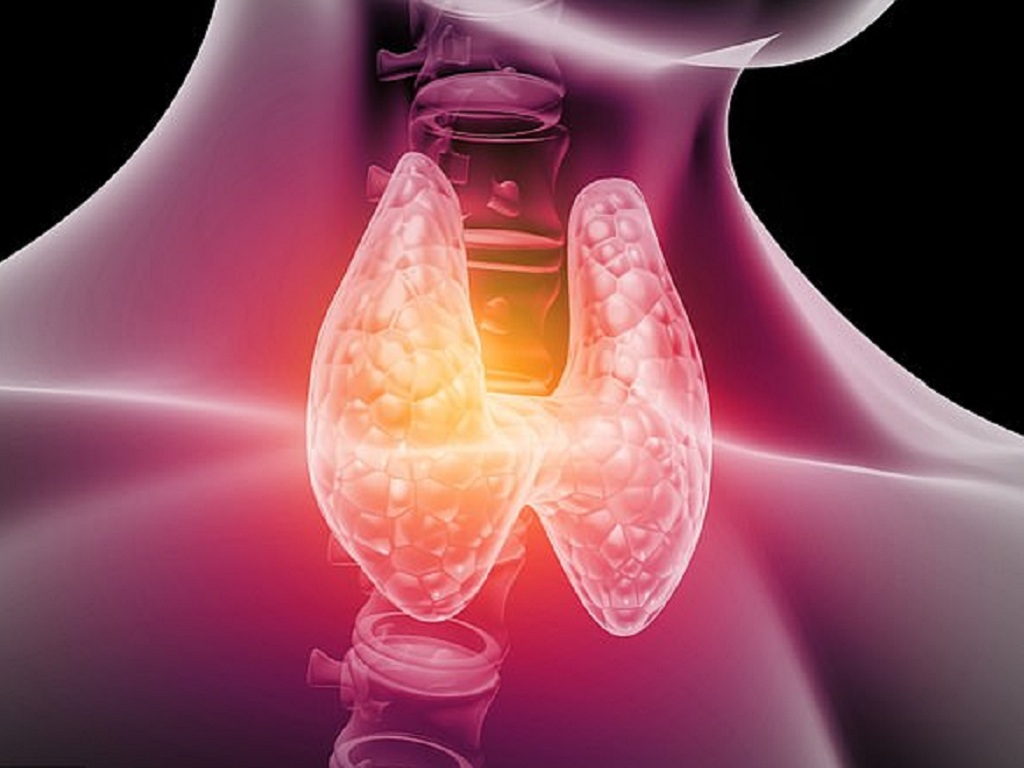
Goitrogens are natural substances found in certain foods that can interfere with the thyroid’s ability to use iodine. When consumed in large amounts, they may reduce hormone production and potentially lead to thyroid enlargement (goiter) or dysfunction.
Common goitrogenic foods include:
These foods are not harmful in normal amounts—in fact, they are highly nutritious. The concern arises when they are consumed excessively, especially in raw form.
When goitrogenic foods are eaten in large quantities, they may:
This can contribute to symptoms associated with hypothyroidism, such as fatigue, weight gain, and sensitivity to cold.
However, it is important to note that these effects are more likely to occur in individuals who already have iodine deficiency or pre-existing thyroid conditions.
Iodine is a key mineral required for the production of thyroid hormones. When iodine intake is insufficient, the thyroid becomes more vulnerable to the effects of goitrogens.
Maintaining proper iodine levels can help protect thyroid function, even when consuming foods that contain goitrogenic compounds.
Sources of iodine include:
Balancing iodine intake with a varied diet is essential for thyroid health.
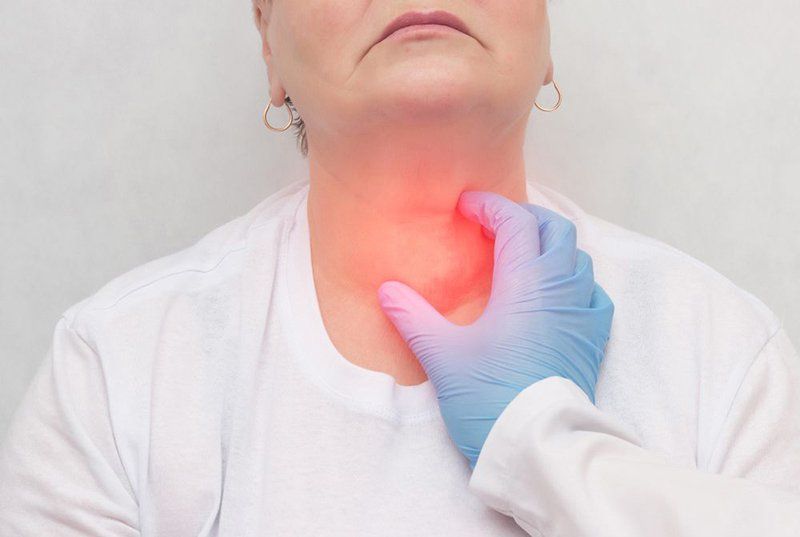
One important factor that many people overlook is how food preparation affects goitrogenic compounds. Cooking methods such as steaming, boiling, or sautéing can significantly reduce their impact.
For example:
This means you can still enjoy these foods safely when they are prepared properly and consumed in moderation.
While most healthy individuals can consume these foods without concern, certain groups should pay closer attention:
For these individuals, excessive intake of goitrogenic foods may have a more noticeable impact.
It’s important to emphasize that these foods are not “bad.” In fact, many of them are rich in vitamins, fiber, and antioxidants that support overall health.
The issue lies in overconsumption. Eating large quantities of any single food—no matter how healthy—can create imbalances in the body.
A balanced approach includes:
The relationship between diet and thyroid health is complex, and while certain foods can affect thyroid function, the key factor is balance. Specialists warn that overconsumption of specific foods—particularly those containing goitrogens—may interfere with the thyroid’s ability to function properly.
By understanding how these foods work and incorporating them thoughtfully into your diet, you can enjoy their nutritional benefits without compromising your health. In the end, moderation, variety, and awareness are the foundation of a healthy thyroid and a well-functioning body.
How often is it recommended to shower?
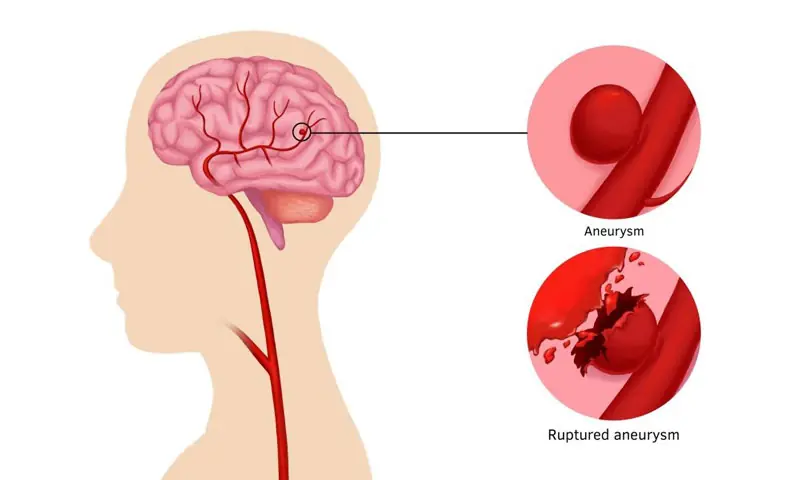
5 Common Situations That Can Increase Your Risk of Brain Bleeding

Eggplant Isn’t for Everyone: 4 Groups That Must Be Careful
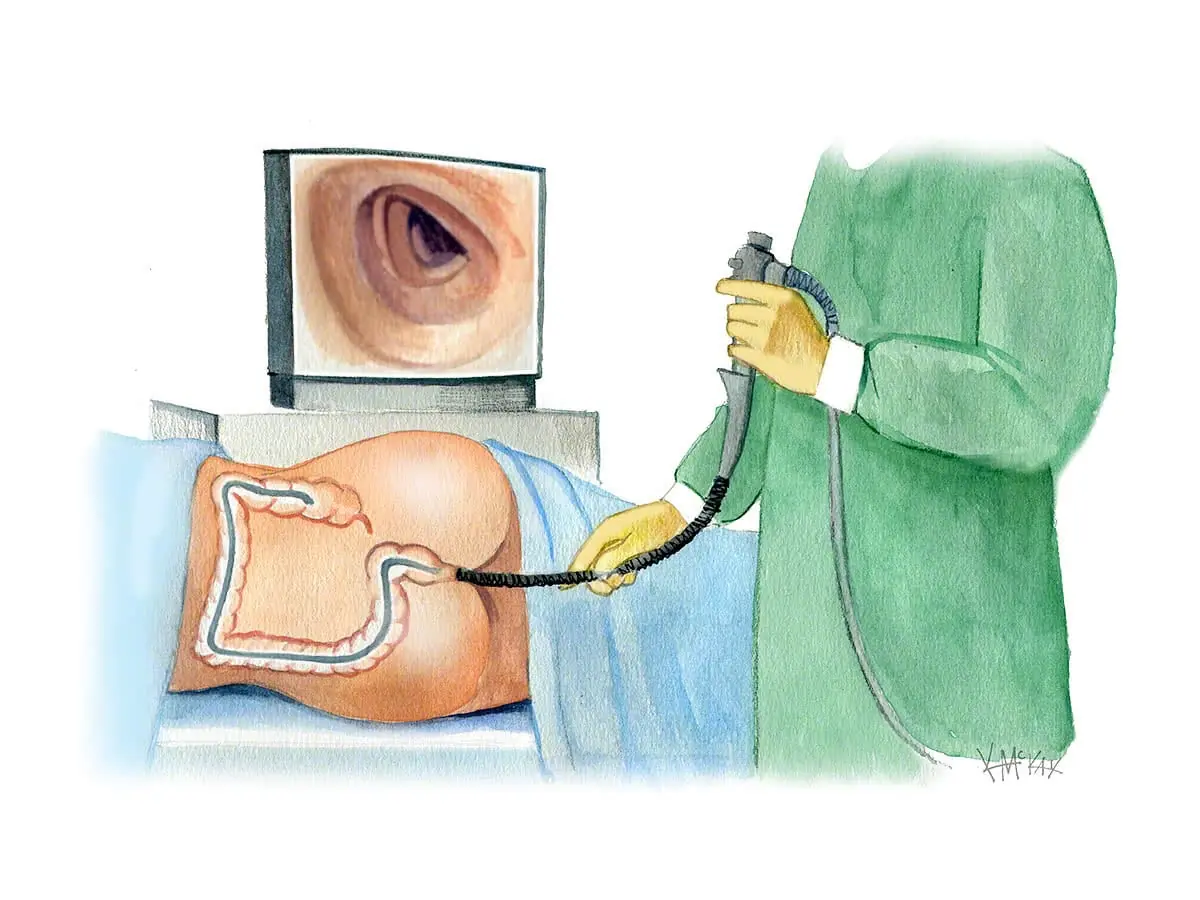
What to ask your doctor before a colonoscopy: The most important question

Cer.vical can.cer remains one of the leading cancers affecting women worldwide, but it is also one of the most preventable forms of can.cer, thanks to early detection through regular screening (Pap smears) and the availability of the HPV vaccine.

Every year, over 200 people die from consuming what is known as the “world’s deadliest food,” yet nearly 500 million people still eat it.

Strokes are a medical emergency that require immediate attention, but did you know that your body often sends warning signs weeks before one occurs?
The Truth Behind Hip Pain: What It Might Mean

8 symptoms that suggest to.xin buildup in your body - pay attention to number 1

Heartbreaking Case: 60 Huskies and Puppies Saved from Cruel Conditions in Vermont
Most people consume grapefruit, but few know what it can really do

When it comes to an emergency, not just in agriculture but in general, having the right training and knowledge for a quick first-aid response can save lives.
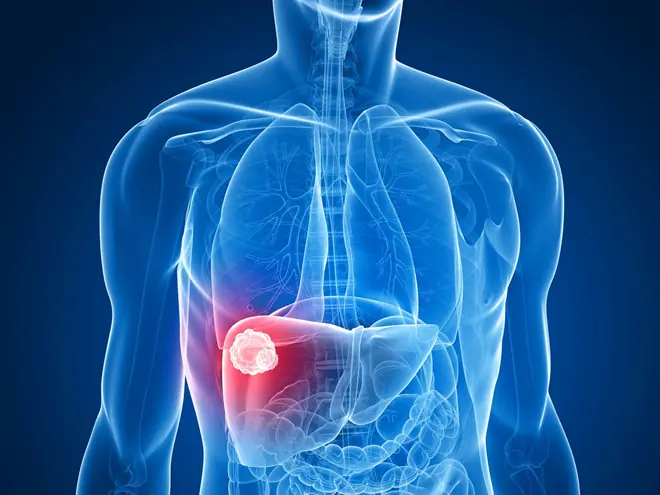
Shoulder pain may be an early warning sign of liver can.cer

Many people wonder about the meaning of the intriguing gesture of scratching the palm of another person’s hand, especially when it occurs between a man and a woman.
What Happens When You Eat Banana and Avocado Every Morning

White Rice Every Day—Good or Bad? Find Out Below

Sweet Potatoes: Read These 8 Facts Before You Take a Bite

Fatty liver disease is often called a “silent condition” because it can progress for years without obvious symptoms. Many people discover it only through routine blood tests or imaging. However, when the disease reaches an advanced stage, certain p

Fish is often praised as a healthy source of protein, omega-3 fatty acids, and essential nutrients. However, not all fish are equally safe or
How often is it recommended to shower?
5 Common Situations That Can Increase Your Risk of Brain Bleeding
Eggplant Isn’t for Everyone: 4 Groups That Must Be Careful
What to ask your doctor before a colonoscopy: The most important question

Have you ever felt unable to move or shout while sleeping? It might mean you are…
Cer.vical can.cer remains one of the leading cancers affecting women worldwide, but it is also one of the most preventable forms of can.cer, thanks to early detection through regular screening (Pap smears) and the availability of the HPV vaccine.
Every year, over 200 people die from consuming what is known as the “world’s deadliest food,” yet nearly 500 million people still eat it.
Strokes are a medical emergency that require immediate attention, but did you know that your body often sends warning signs weeks before one occurs?
The Truth Behind Hip Pain: What It Might Mean
8 symptoms that suggest to.xin buildup in your body - pay attention to number 1
Heartbreaking Case: 60 Huskies and Puppies Saved from Cruel Conditions in Vermont
Most people consume grapefruit, but few know what it can really do

What causes frequent dreams of 'missteps' and what could they represent?
When it comes to an emergency, not just in agriculture but in general, having the right training and knowledge for a quick first-aid response can save lives.

Easy tips for fixing clogged pipes at home
Shoulder pain may be an early warning sign of liver can.cer
Many people wonder about the meaning of the intriguing gesture of scratching the palm of another person’s hand, especially when it occurs between a man and a woman.
What Happens When You Eat Banana and Avocado Every Morning
White Rice Every Day—Good or Bad? Find Out Below