5 High-Risk Moments When Brain Hemorrhage Is More Likely
A brain hemorrhage, also known as intracranial bleeding, occurs when a blood vessel in the brain bursts, causing bleeding inside or around the brain tissue. This is a medical emergency that can lead to serious complications, including permanent brain damage or even death. While anyone can experience a brain hemorrhage, certain moments or situations can significantly increase the risk. Understanding these “high-risk” moments can help you take preventive measures and protect your brain health.
1. Sudden Spike in Blood Pressure
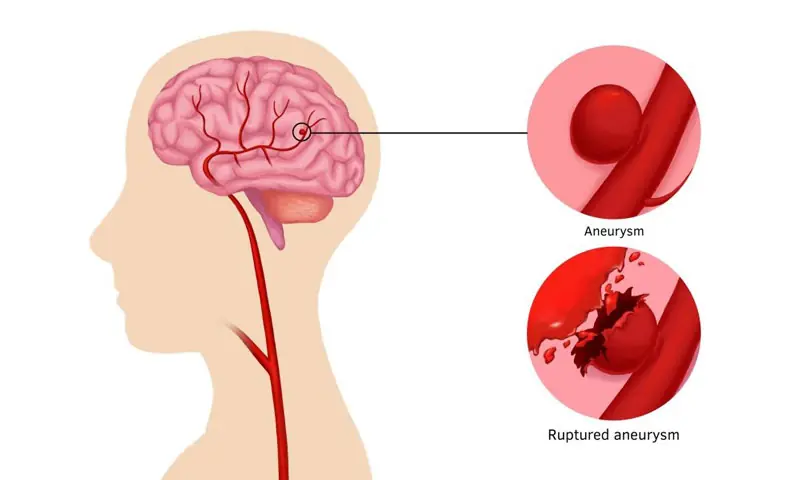
One of the most common triggers for a brain hemorrhage is a sudden increase in blood pressure, especially in individuals with chronic hypertension. Activities or events that cause an abrupt spike—such as extreme stress, heavy lifting, or intense exercise—can put extra pressure on fragile blood vessels in the brain.
Preventive tips:
- Monitor your blood pressure regularly
- Manage stress through relaxation techniques like meditation or deep breathing
- Avoid lifting excessively heavy objects without proper technique
2. Head Trauma or Injury
A strong impact to the head—whether from a fall, car accident, or sports injury—can rupture blood vessels and lead to intracranial bleeding. Even minor head injuries in older adults or those on blood-thinning medications can become dangerous.
Preventive tips:
- Wear helmets during cycling, motorcycling, or contact sports
- Use seatbelts in vehicles
- Ensure homes are free of trip hazards, especially for the elderly
3. Use of Blood-Thinning Medications
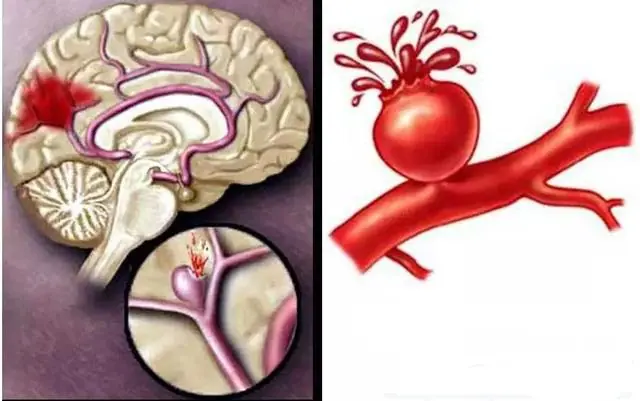
Medications like aspirin, warfarin, or newer anticoagulants can increase the risk of bleeding, including in the brain. If a blood vessel is weakened, these medications can make it easier for a hemorrhage to occur.
Preventive tips:
- Take anticoagulants exactly as prescribed
- Regularly check blood levels if required
- Discuss alternatives with your doctor if you have additional risk factors for brain bleeding
4. Heavy Alcohol Consumption
Excessive drinking can weaken blood vessel walls and increase blood pressure, both of which raise the risk of brain hemorrhage. Chronic alcohol use can also impair clotting, making bleeding harder to control.
Preventive tips:
- Limit alcohol consumption according to medical guidelines
- Seek help for alcohol dependency if necessary
- Avoid binge drinking
5. Underlying Vascular Abnormalities
Some people have pre-existing conditions such as aneurysms, arteriovenous malformations (AVMs), or weak blood vessels due to aging or genetic factors. These make the brain more vulnerable to hemorrhage, sometimes without any obvious trigger.
Preventive tips:
- Regular medical check-ups if you have known vascular conditions
- Imaging tests (like MRI or CT scans) as recommended by your doctor
- Manage blood pressure and avoid activities that strain the vascular system
Warning Signs of a Brain Hemorrhage
Recognizing early symptoms can save lives. If you notice any of the following, seek emergency medical attention immediately:
- Sudden, severe headache
- Weakness or numbness on one side of the body
- Difficulty speaking or understanding speech
- Vision problems
- Loss of balance or coordination
- Nausea or vomiting
Conclusion
While brain hemorrhages can occur unexpectedly, understanding these five high-risk moments—sudden spikes in blood pressure, head trauma, blood-thinning medications, heavy alcohol use, and pre-existing vascular conditions—can help you take preventive measures. Regular check-ups, healthy lifestyle choices, and awareness of early warning signs are key to protecting your brain and overall health.