If Your Hip Hurts, It’s a Clear Sign That…
Hip pain is more than just a nuisance—it can be a signal from your body that something needs attention. Whether it’s a dull ache, sharp twinge, or stiffness, understanding the cause of hip discomfort is key to protecting your mobility and overall health.
Hip pain can stem from a variety of issues, ranging from temporary strains to more serious underlying conditions. Here’s a detailed look at what your hip pain might be trying to tell you.
1. Muscle or Tendon Strain
One of the most common causes of hip pain is a muscle or tendon strain. Overuse, sudden movements, or intense exercise can stress the muscles around the hip, leading to soreness, stiffness, or sharp pain.
Signs:
- Pain worsens with activity
- Swelling or tenderness around the hip
- Difficulty standing or walking comfortably
What to do: Rest, gentle stretching, and ice therapy can help. Persistent pain may require physical therapy.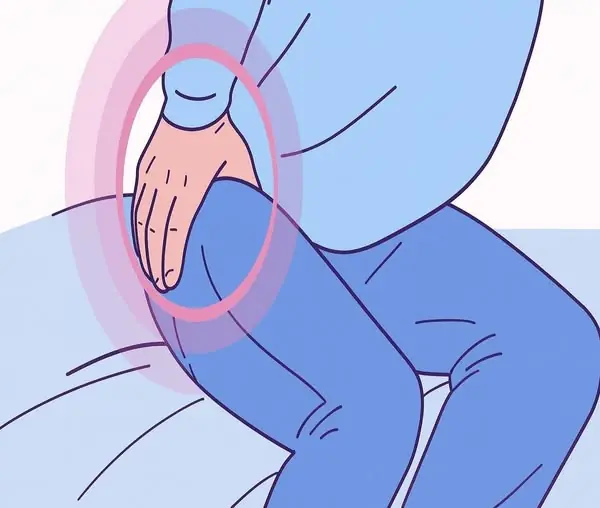
2. Arthritis
Osteoarthritis and rheumatoid arthritis often affect the hip joint, causing chronic pain and stiffness. Arthritis gradually wears down the cartilage that cushions your hip bones, resulting in inflammation and reduced mobility.
Signs:
- Pain that develops gradually
- Morning stiffness that eases with movement
- Pain that worsens after activity or long periods of sitting
What to do: Low-impact exercises, anti-inflammatory medications, and weight management can help reduce discomfort. In severe cases, doctors may recommend hip replacement surgery.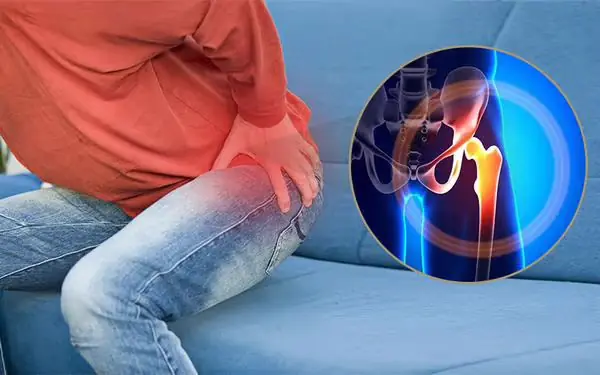
3. Bursitis
Bursitis occurs when the small fluid-filled sacs (bursae) that cushion the hip joint become inflamed. This can result from repetitive motion or pressure on the hip.
Signs:
- Sharp, localized pain on the outer hip
- Pain when lying on the affected side
- Swelling or warmth over the hip
What to do: Rest, ice packs, and anti-inflammatory medications are commonly used. Stretching and physical therapy can prevent recurrence.
4. Hip Fractures
Hip fractures are more common in older adults or individuals with osteoporosis. Even a minor fall can lead to a fracture, which is a medical emergency.
Signs:
- Sudden, severe pain in the hip or groin
- Difficulty standing or walking
- Swelling or bruising around the hip
What to do: Seek immediate medical attention. Surgery is often required to repair the fracture.
5. Nerve-Related Pain
Sometimes hip pain originates from the lower back or spine. Conditions like sciatica or herniated discs can irritate nerves that travel to the hip.
Signs:
- Shooting or burning pain down the leg
- Tingling or numbness
- Pain that worsens with sitting or bending
What to do: Physical therapy, proper posture, and sometimes medications can relieve nerve-related hip pain.
6. Tendinitis
Tendinitis is inflammation of the tendons around the hip joint. It can result from repetitive movements, running, or jumping.
Signs:
- Pain that intensifies during activity
- Swelling or tenderness near the tendon
- Difficulty performing certain movements
What to do: Rest, stretching, and anti-inflammatory treatments help manage symptoms. Gradual strengthening exercises prevent future flare-ups.
7. Hip Labral Tear
The labrum is a ring of cartilage that surrounds the hip socket. Tears in the labrum can cause pain, stiffness, and a catching sensation in the hip.
Signs:
- Sharp pain in the hip or groin
- Limited range of motion
- Clicking, locking, or catching sensations
What to do: Mild cases may improve with rest and physical therapy. Severe tears sometimes require arthroscopic surgery.
When to See a Doctor
While occasional hip soreness from activity isn’t usually serious, you should seek medical attention if:
- Pain is severe or sudden
- You can’t walk or put weight on your leg
- There’s swelling, redness, or warmth around the joint
- Pain persists for several weeks despite rest
Early diagnosis and treatment can prevent long-term damage and restore mobility.
Conclusion
Hip pain is a signal from your body that something may be wrong. From muscle strains to arthritis, bursitis, fractures, and nerve issues, identifying the cause is essential to prevent worsening symptoms. Listening to your body, taking preventive measures, and seeking timely medical care can keep your hips healthy and ensure you stay active for years to come.