When buying or using a washing machine, one of the most common questions is about its capacity. You often see labels like “7 kg,” “9 kg,” or “12 kg,” but what do these numbers actually mean? Do they refer to dry clothes or wet laundry?
The answer is simple — but very important:
👉 The weight limit of a washing machine is always based on dry clothes.
Understanding this detail can help you avoid overloading your machine, protect your clothes, and ensure better washing performance.
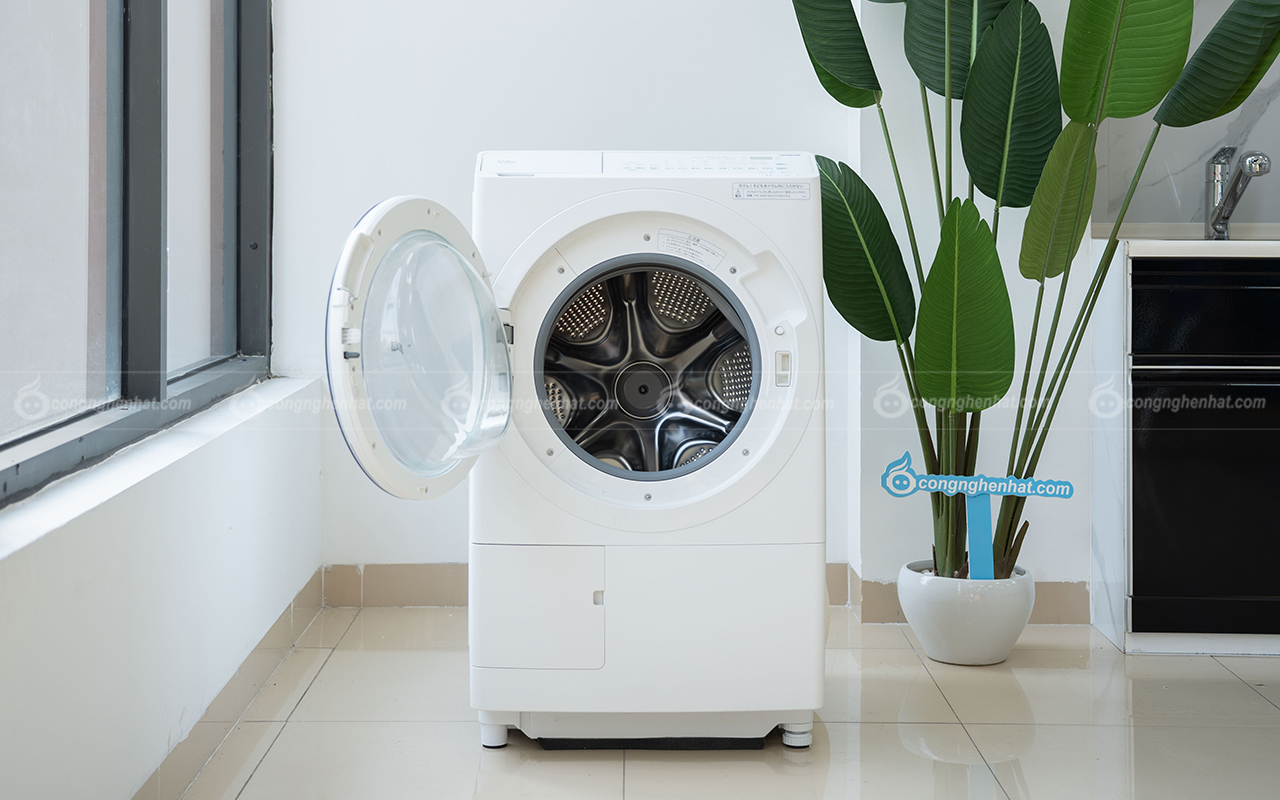
🧠 Why Capacity Is Measured in Dry Clothes
Manufacturers calculate washing machine capacity using dry fabric weight because it provides a consistent and standardized measurement.
Dry clothes:
- Have predictable weight
- Are easier to measure accurately
- Allow users to estimate loads before washing
Once clothes get wet, their weight increases significantly — sometimes 2 to 3 times heavier, depending on the fabric. That’s why using wet weight would make the capacity confusing and unreliable.
⚖️ What Happens When Clothes Get Wet?
When you start a wash cycle, clothes absorb water quickly. For example:
- A 1 kg dry load can become 2–3 kg when soaked
- Thick fabrics like towels or jeans absorb even more water
This means that if you overload your machine based on wet weight, you could be putting excessive strain on the motor and drum.
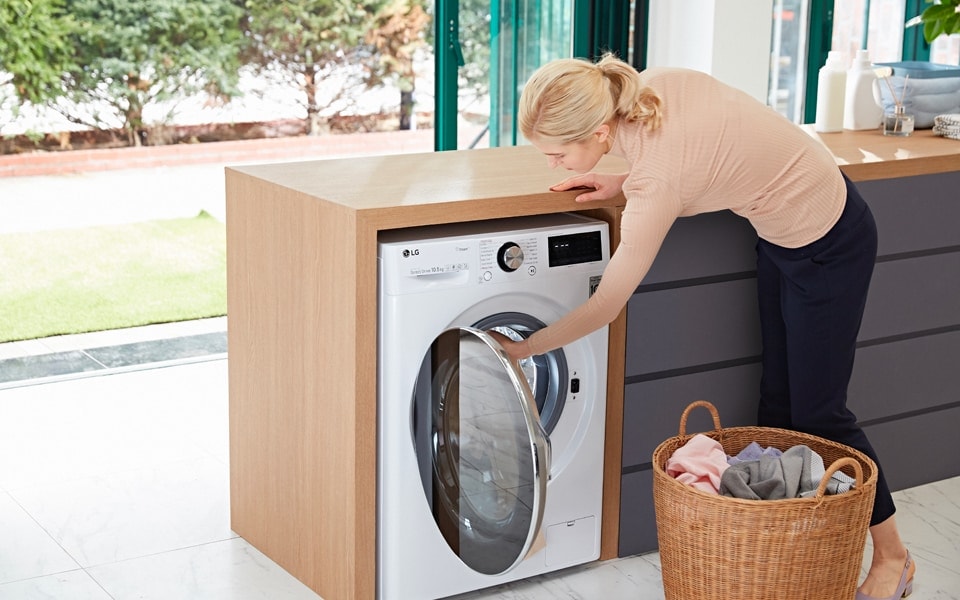
🚫 Why Overloading Is a Problem
Many people assume they can “fit as much as possible” into the drum, but exceeding the dry weight limit can cause several issues:
❌ Poor washing performance
- Clothes don’t have enough space to move
- Detergent doesn’t distribute evenly
❌ Increased wear and tear
- The motor works harder than intended
- Parts may wear out faster
❌ Ineffective rinsing and spinning
- Residue may remain on clothes
- Clothes may come out too wet
Over time, this can reduce the lifespan of your washing machine.
🧺 How to Estimate the Right Load
You don’t need a scale every time — there are simple ways to estimate:
✔️ The “Drum Space Rule”
- Fill the drum about 70–80% full
- Leave some space at the top (about a hand’s width)
✔️ Fabric-Based Estimation
Approximate dry weights:
- T-shirt: ~0.2 kg
- Jeans: ~0.5–0.7 kg
- Towel: ~0.5 kg
By combining items, you can roughly match your machine’s capacity.
🧼 Different Machines, Same Principle
Whether you’re using:
- A top-loading washing machine
- A front-loading washing machine
- A high-efficiency (HE) washer
👉 The capacity is always measured in dry laundry.
However, front-load machines often require more space for movement, so overloading them can affect performance even more noticeably.
💡 Tips for Better Washing Results
To get the best performance from your machine:
- Don’t exceed the recommended dry weight
- Separate heavy and light fabrics
- Avoid stuffing the drum tightly
- Adjust water level and settings based on load size
These small habits improve cleaning efficiency and extend your machine’s lifespan.

🧾 Final Thoughts
The weight limit of a washing machine always refers to dry clothes, not wet laundry. This standard makes it easier to measure loads and ensures the machine operates safely and effectively.
Remember: once clothes absorb water, their weight increases significantly — and overloading can lead to poor results and long-term damage.
So next time you do laundry, don’t just think about how much you can fit in —
think about how well your clothes can move inside the machine.
Because in the end, proper loading isn’t just about capacity — it’s about performance, efficiency, and durability.