For many people, charging a phone to 100% feels like the “right” thing to do. After all, a full battery means longer usage, fewer interruptions, and peace of mind throughout the day.
However, modern battery science tells a different story. Keeping your phone constantly at 100% may actually reduce its long-term lifespan. While it won’t damage your phone overnight, this habit can slowly degrade the battery over time.
Understanding how smartphone batteries work can help you adopt better charging habits and keep your device running efficiently for longer.
How Smartphone Batteries Work
Most smartphones today use lithium-ion batteries, which are designed to be lightweight, rechargeable, and efficient. Unlike older battery technologies, lithium-ion batteries don’t suffer from the “memory effect,” but they do have other limitations.
One key factor is battery stress, which increases when the battery is kept at very high or very low charge levels for extended periods.
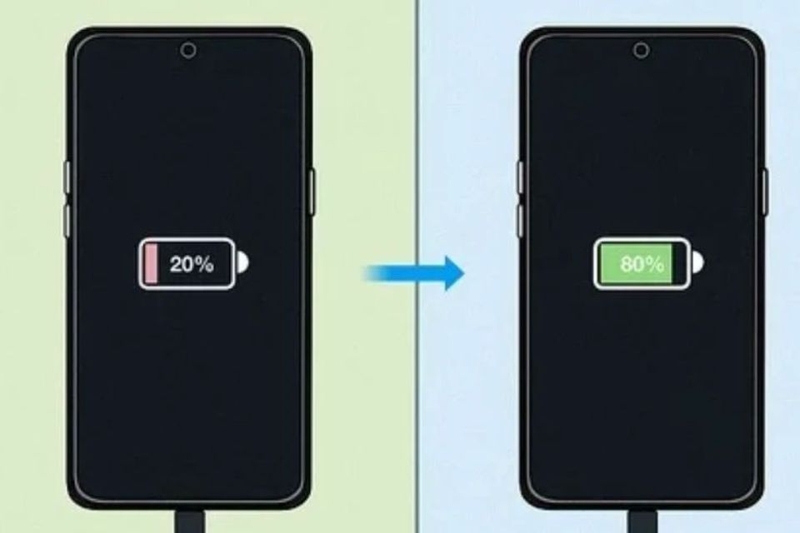
The ideal operating range for lithium-ion batteries is typically between:
- 20% and 80% charge
Staying within this range helps reduce wear and prolong battery life.
What Happens When Your Battery Stays at 100%
When your phone reaches 100%, it doesn’t simply stop working — it continues to maintain that full charge. This creates a condition known as high voltage stress.
At 100%, the battery:
- Is under maximum voltage
- Experiences increased chemical strain
- Generates more heat if left plugged in
Over time, this can lead to:
- Faster battery degradation
- Reduced capacity
- Shorter overall lifespan
In simple terms, keeping your battery full all the time puts it under constant pressure.
The Role of Heat in Battery Damage
Heat is one of the biggest enemies of battery health.
When you:
- Charge your phone overnight
- Use your phone while charging
- Keep it plugged in after reaching 100%
…the battery can heat up, especially if combined with high charge levels.
Excess heat accelerates chemical aging inside the battery, leading to:
- Loss of capacity
- Reduced performance
- Potential long-term damage
This is why charging habits and temperature go hand in hand.
:quality(75)/NEN_SAC_DIEN_THOAI_DEN_BAO_NHIEU_PHAN_TRAM_1_750x450_c910be1a60.jpg)
Why 100% Feels Good but Isn’t Always Necessary
Charging to 100% gives a psychological sense of readiness — you feel fully prepared for the day. But in reality, most people don’t need a full charge for daily use.
Modern smartphones are optimized for:
- Efficient power management
- Fast charging when needed
Keeping your battery slightly below full can still provide more than enough usage for most routines.
Smarter Charging Habits
To protect your battery over time, consider adopting these simple habits:
1. Avoid Keeping It at 100% for Long Periods
It’s okay to reach 100% occasionally, but try not to leave your phone plugged in for hours after it’s fully charged.
2. Charge Within the 20–80% Range
Frequent partial charging is better than full charge cycles.
3. Use Optimized Charging Features
Many smartphones now include:
- Adaptive charging
- Battery health management
These features slow down charging as it approaches 100%, reducing stress on the battery.
4. Avoid Excessive Heat
Keep your phone in a cool environment while charging and avoid heavy usage during charging.
When Charging to 100% Is Okay
It’s important to note that charging to 100% is not “bad” in itself. It becomes an issue only when it is done consistently and for extended periods.
Charging to full is perfectly fine when:
- You need maximum battery for travel or long days
- You won’t be able to charge again soon
The key is balance, not restriction.
The Long-Term Impact
Over time, poor charging habits can lead to:
- Faster battery wear
- Reduced screen-on time
- More frequent charging needs
Eventually, this may require battery replacement or affect the overall user experience.
By making small adjustments now, you can:
- Extend battery lifespan
- Maintain better performance
- Reduce long-term costs
Final Thoughts
Keeping your phone at 100% might seem like the best way to maximize usage, but in reality, it can slowly shorten your battery’s lifespan.
The goal isn’t to avoid 100% entirely - it’s to avoid keeping your battery under constant high stress.
By adopting smarter charging habits and understanding how your battery works, you can keep your phone running smoothly for longer.
Sometimes, a little less than full is actually better in the long run.