
The “Plant That Destroys Can.cer Cells in 48 Hours”: What the Article Claims
Can this natural remedy really fight cancer?
Facts 26/03/2026 22:46
Eggs are one of the most nutritious and widely consumed foods in the world. Rich in protein, vitamins, and essential nutrients, they are a staple in many diets. However, recent warnings circulating online claim that eating “washed eggs” may harm the liver—even more than alcohol. While this statement sounds alarming, it is important to examine the facts carefully. Are washed eggs truly dangerous, or is this claim misunderstood? This article explores the science behind egg washing, potential risks, and how to safely handle eggs.

“Washed eggs” typically refer to eggs that have been cleaned with water before storage or cooking. In many households, people wash eggs to remove dirt, bacteria, or residue from the shell.
However, eggs naturally have a protective outer layer called the cuticle (or bloom), which helps prevent bacteria from entering through the shell. Washing eggs improperly can remove this layer, potentially increasing the risk of contamination.
The main issue with washing eggs is not direct liver damage but the increased risk of bacterial infection, particularly from Salmonella.
When eggs are washed:
If contaminated eggs are consumed raw or undercooked, they can lead to food poisoning, causing symptoms such as nausea, vomiting, diarrhea, and fever.

Claims that washed eggs damage the liver more than alcohol are not scientifically supported. However, there is a connection that may explain this misunderstanding.
Severe foodborne infections can:
In vulnerable individuals—such as the elderly, children, or those with weakened immune systems—serious infections could indirectly impact liver health. However, this is very different from saying that washed eggs themselves are toxic.
Medical professionals often emphasize caution when handling eggs, especially in clinical or high-risk environments.
Hospitals may warn against improperly washed eggs because:
These warnings are preventive, not an indication that eggs are inherently harmful.
To minimize risks, experts recommend following safe egg-handling practices:
If eggs are clean, it is best not to wash them before storing, as this preserves the protective cuticle.
If eggs are visibly dirty, wash them gently just before cooking, using warm water—not cold—to prevent bacteria from entering.
Keep eggs refrigerated and separate from raw meats to avoid cross-contamination.
Cooking eggs fully kills harmful bacteria. Avoid consuming raw or undercooked eggs, especially if you are in a high-risk group.
There are many misconceptions surrounding eggs, including:
Understanding these myths helps prevent unnecessary fear and promotes better dietary choices.
Despite the concerns, eggs remain one of the most nutritious foods available. They provide:
For most people, eating eggs regularly as part of a balanced diet is both safe and beneficial.
The claim that “washed eggs harm the liver more than alcohol” is an exaggeration that lacks scientific evidence. The real issue lies in improper handling, which can increase the risk of bacterial contamination.
Doctors and experts do not advise avoiding eggs altogether—instead, they emphasize safe preparation and storage practices. By understanding how to handle eggs correctly, you can enjoy their nutritional benefits without unnecessary risk.
In the end, it’s not the egg itself that is dangerous, but how it is handled. Staying informed and practicing good food hygiene is the key to protecting your health.
Can this natural remedy really fight cancer?

Have you ever felt unable to move or shout while sleeping? It might mean you are…

What causes frequent dreams of 'missteps' and what could they represent?

5 powerful health benefits of eating chia seeds on a regular basis

Drivers over 70 may face stricter rules in the near future
This is why your cat sleeps with you

Does a washing machine’s capacity refer to dry clothes or wet clothes?

6 Signs You’re No Longer a Couple — Just Living Like Roommates
Waking up drooling? It may signal hidden health issues


Why brass is used for doorknobs: the surprising purpose behind it?

Add this to coffee to help slow aging and reduce wrinkles

Not just jewelry—this might describe you perfectly
Itching in 9 Areas of the Body? It Could Signal a Serious Illness

4 signs of fake morality - be careful who you get close to

5 bad habits that could be speeding up your skin’s aging process
Strange marks on jeans? Here’s what they really mean

You might be damaging your phone by charging it to 100% - here’s why

Have you ever noticed white butterflies visiting you at certain moments?

Brushing Teeth with Diluted Salt Water for a Year: What Happened Next?

Ginger isn’t for everyone—know when it may do more harm than good.

Daytime naps: helpful habit or hidden health warning sign?
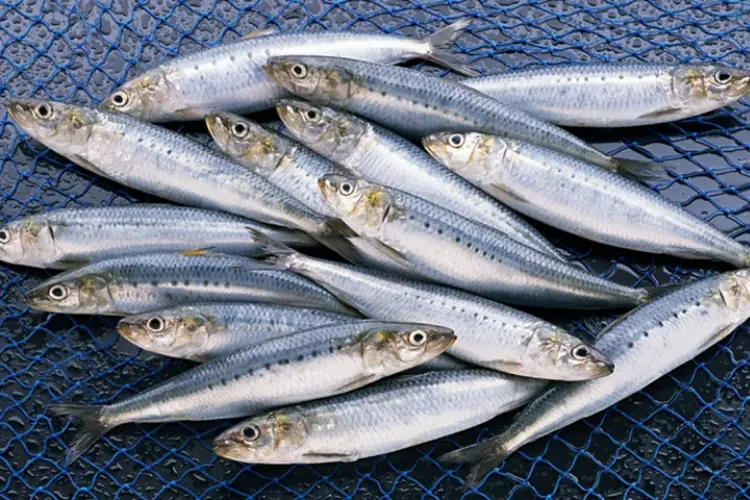
7 Cheap but Nutrient-Rich Fish You Shouldn’t Ignore

The Benefits of Growing Basil Indoors, Even in Small Spaces

Sour vag:inal smell? Here are 4 real reasons every woman should know
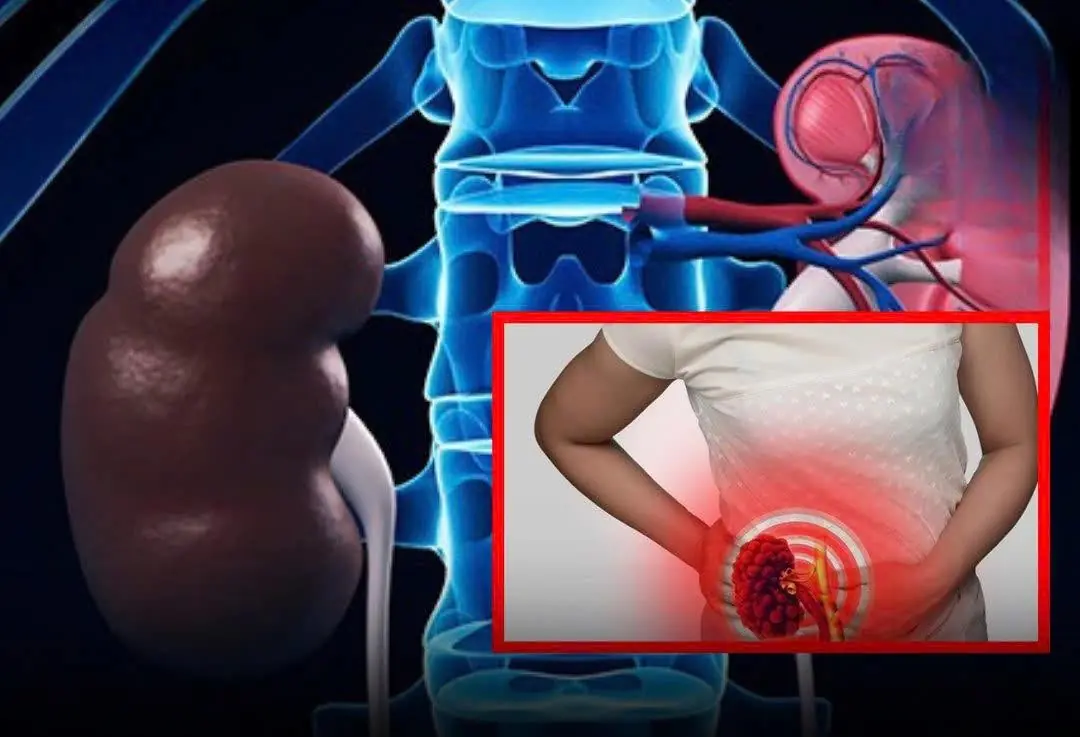
7 Signs Your Kidneys Are Working Well — Check Yourself

If your mouth feels dry at night, here are 8 reasons why...
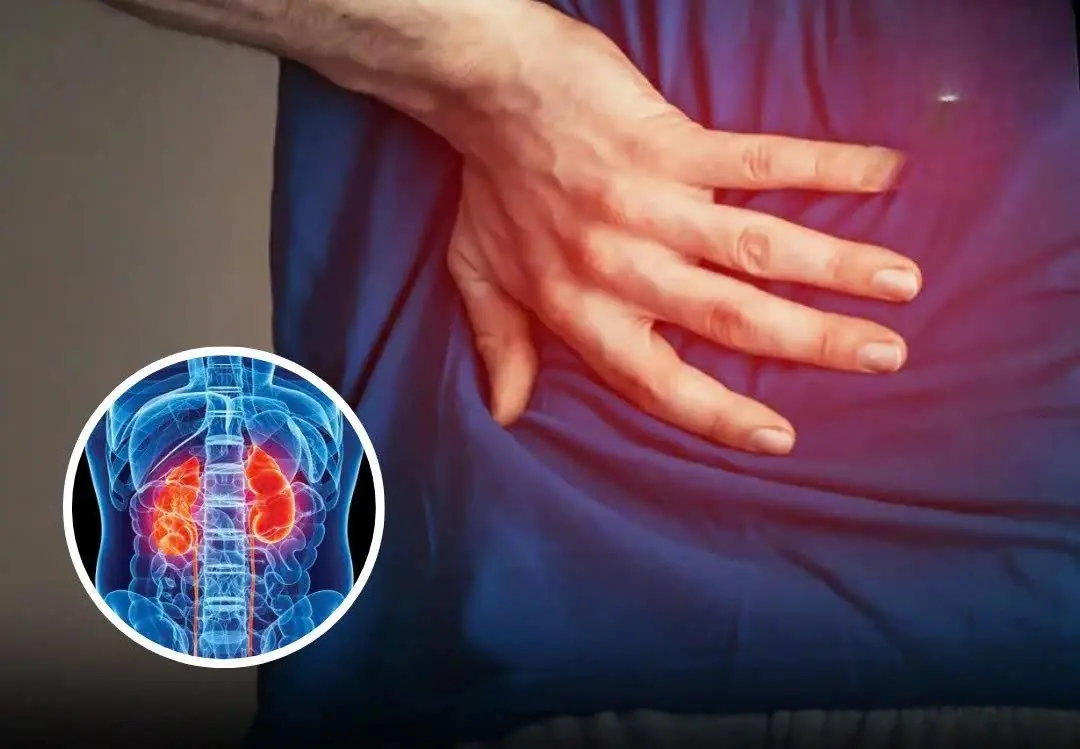
5 Silent Night Symptoms That May Indicate Kidney Dam:age

Are some vegetables harmful? The truth may surprise you.
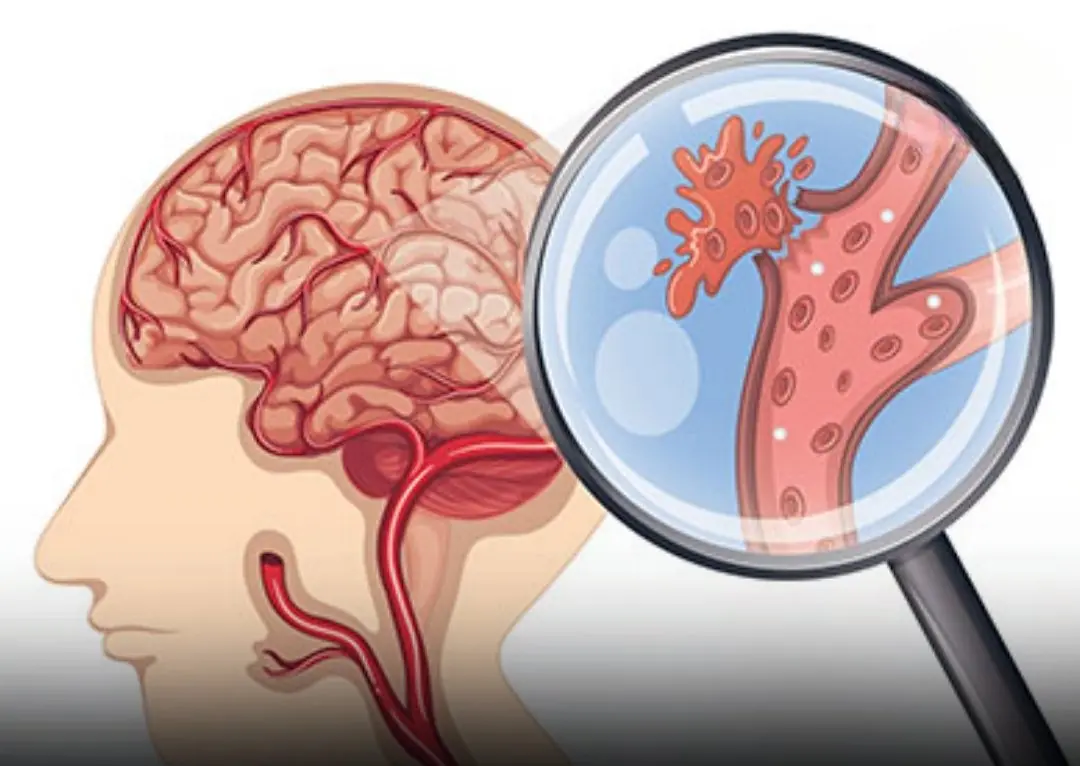
Recognizing an Aneurysm: The Dang:erous Symptoms That Demand Immediate Attention
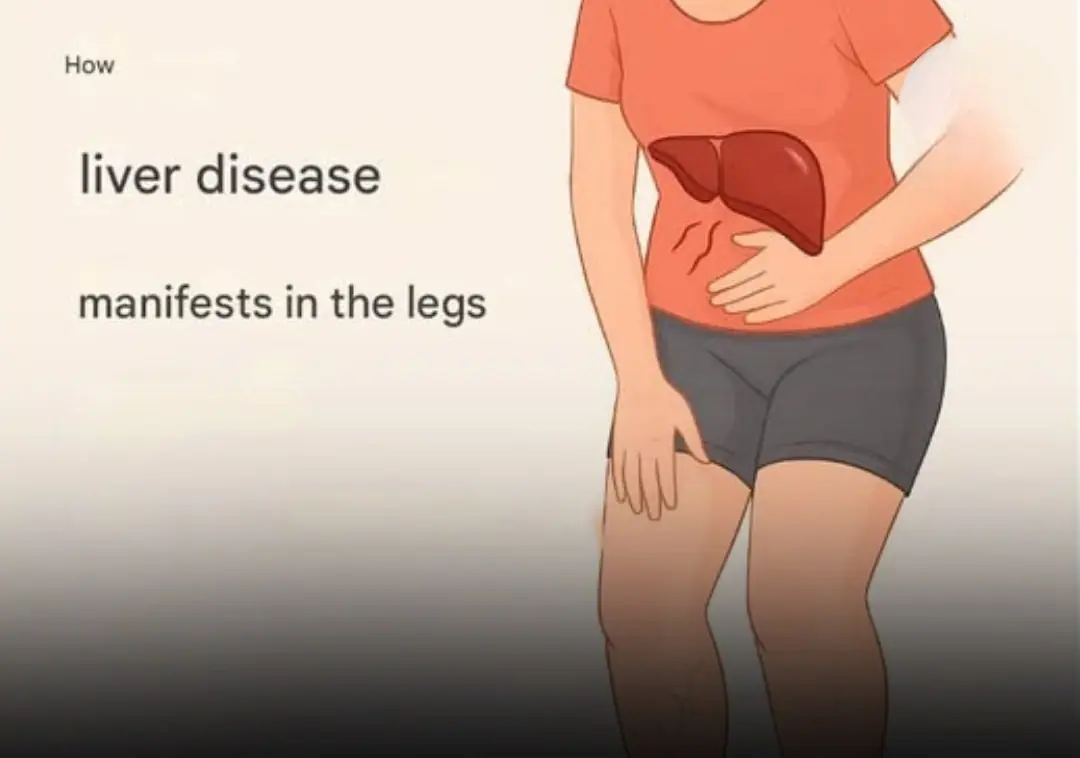
The Surprising Ways Liver Disease Appears on the Legs
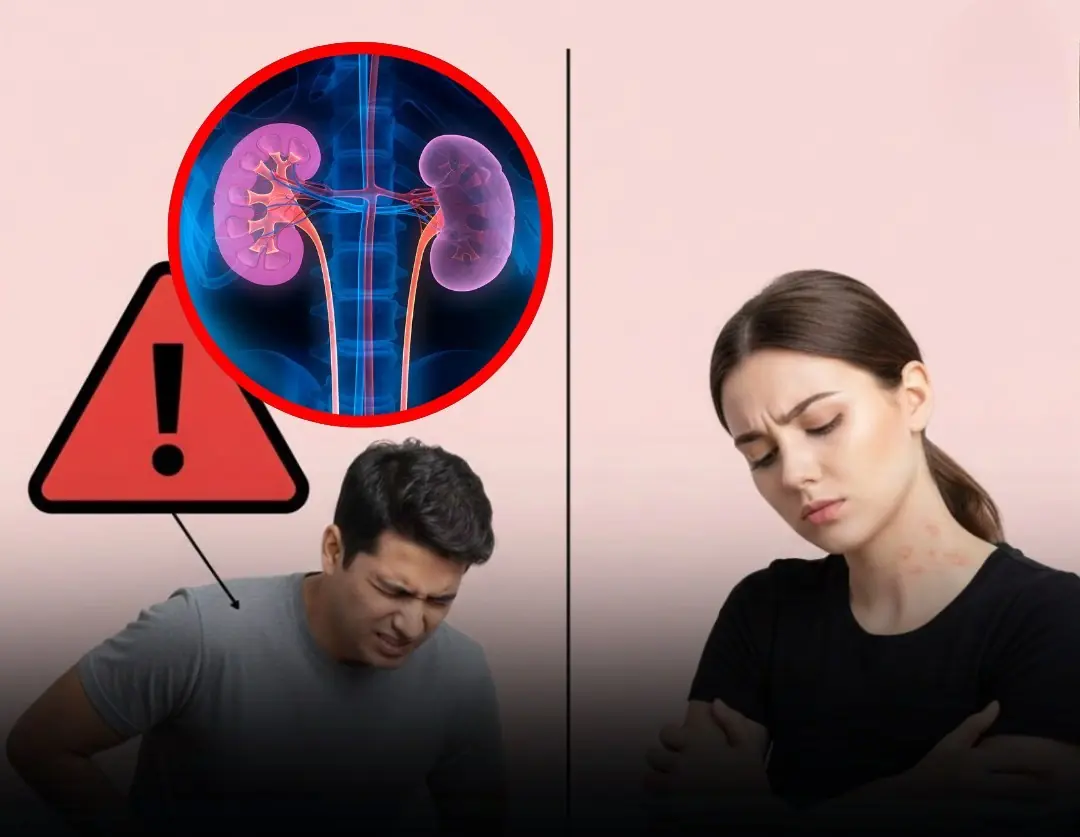
Don’t Ignore These Symptoms — Your Kidneys Could Be at Risk

5 morning symptos that could be early warning signs of can.cer - signs no one should ignore.

5 symptoms at night that could signal early kidney problems

Sweet potatoes: a simple food packed with powerful health benefits.

She was only 23… and didn’t see this coming
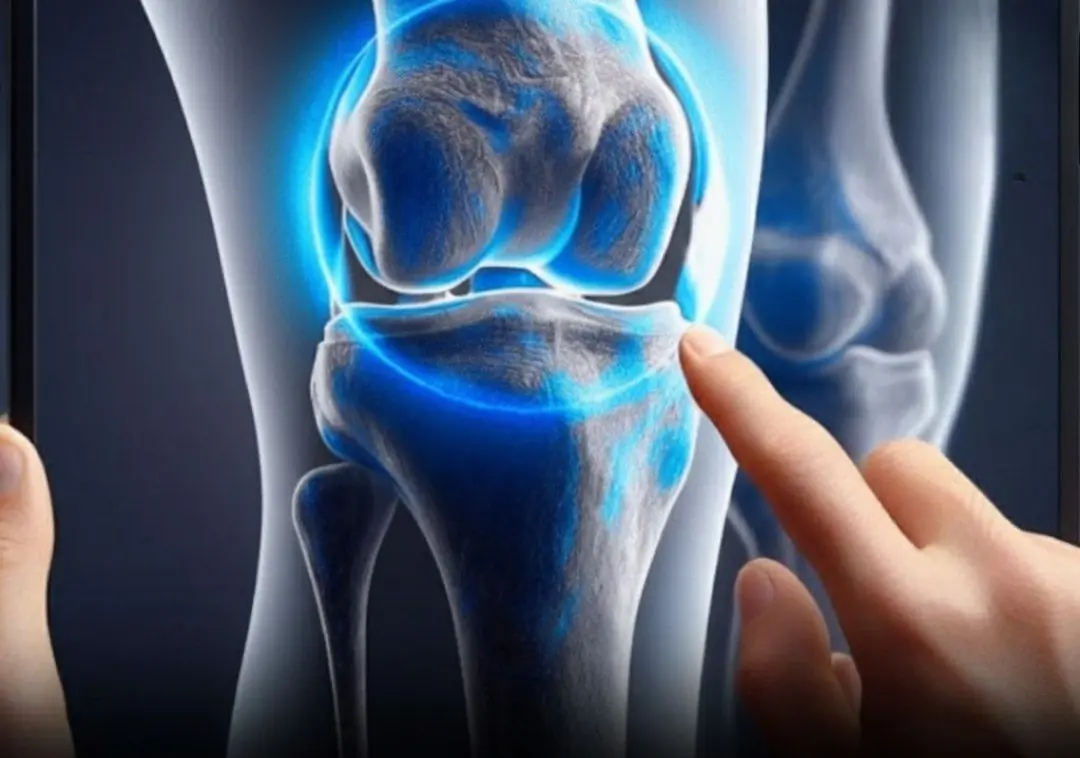
6 common foods that can quietly weaken your body’s calcium supply
Can this natural remedy really fight cancer?