Warning Signs of an Aneurysm: Don’t Ignore These Life-Threatening Symptoms
An aneurysm sounds like something rare and distant—but the truth is, it can develop silently and become dangerous without much warning. Many people only discover it when it becomes an emergency.
An aneurysm occurs when a blood vessel wall weakens and bulges. If it ruptures, it can cause severe internal bleeding—especially in the brain, where it becomes life-threatening within minutes.
The scary part? Early symptoms are often subtle—or mistaken for something else.
Let’s break down the key warning signs that should never be ignored.
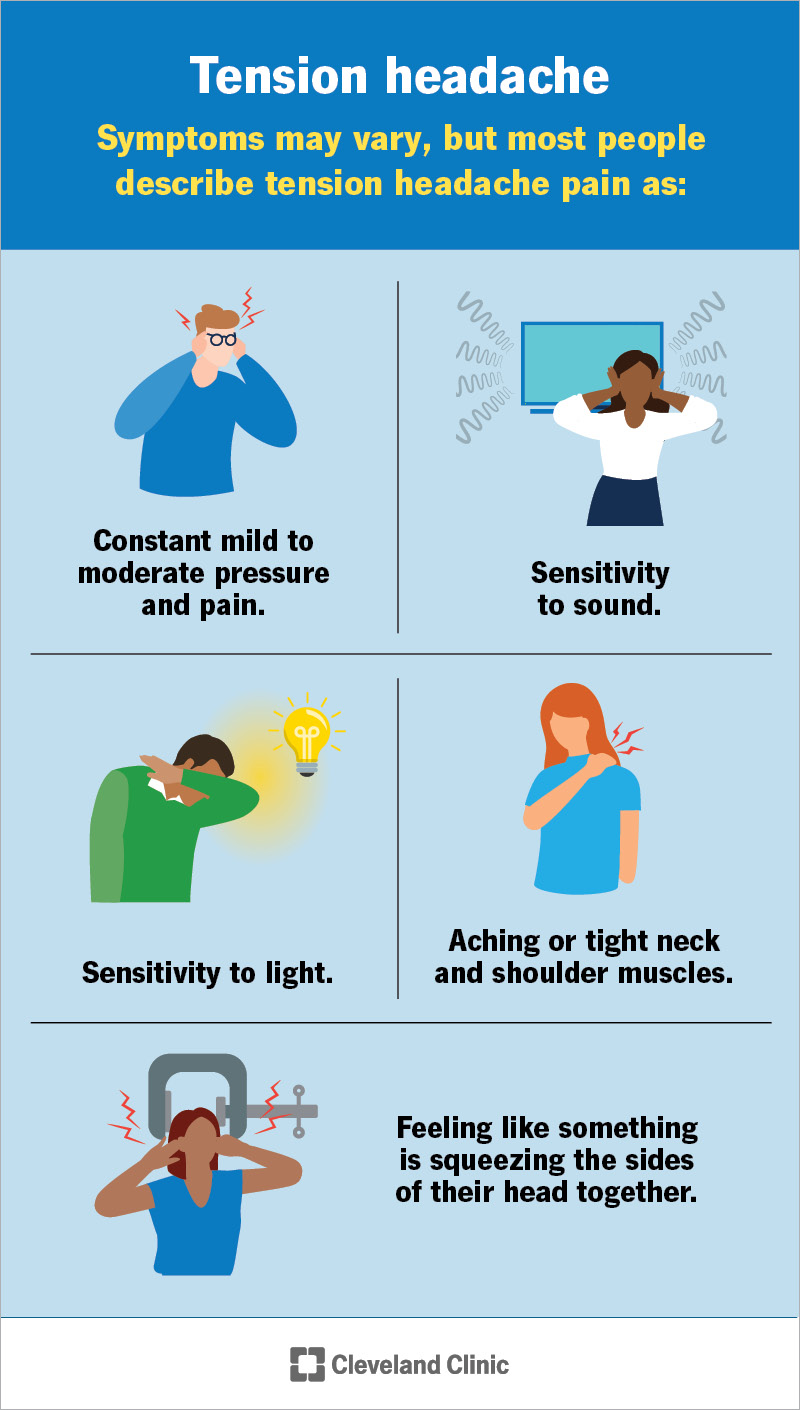
1. Sudden, Severe Headache (“The Worst Headache of Your Life”)

 4
4
This is the most classic and dangerous symptom.
People often describe it as:
- A thunderclap headache
- Sudden and extremely intense
- Unlike any headache they’ve had before
👉 This can indicate a ruptured brain aneurysm and requires immediate emergency care.
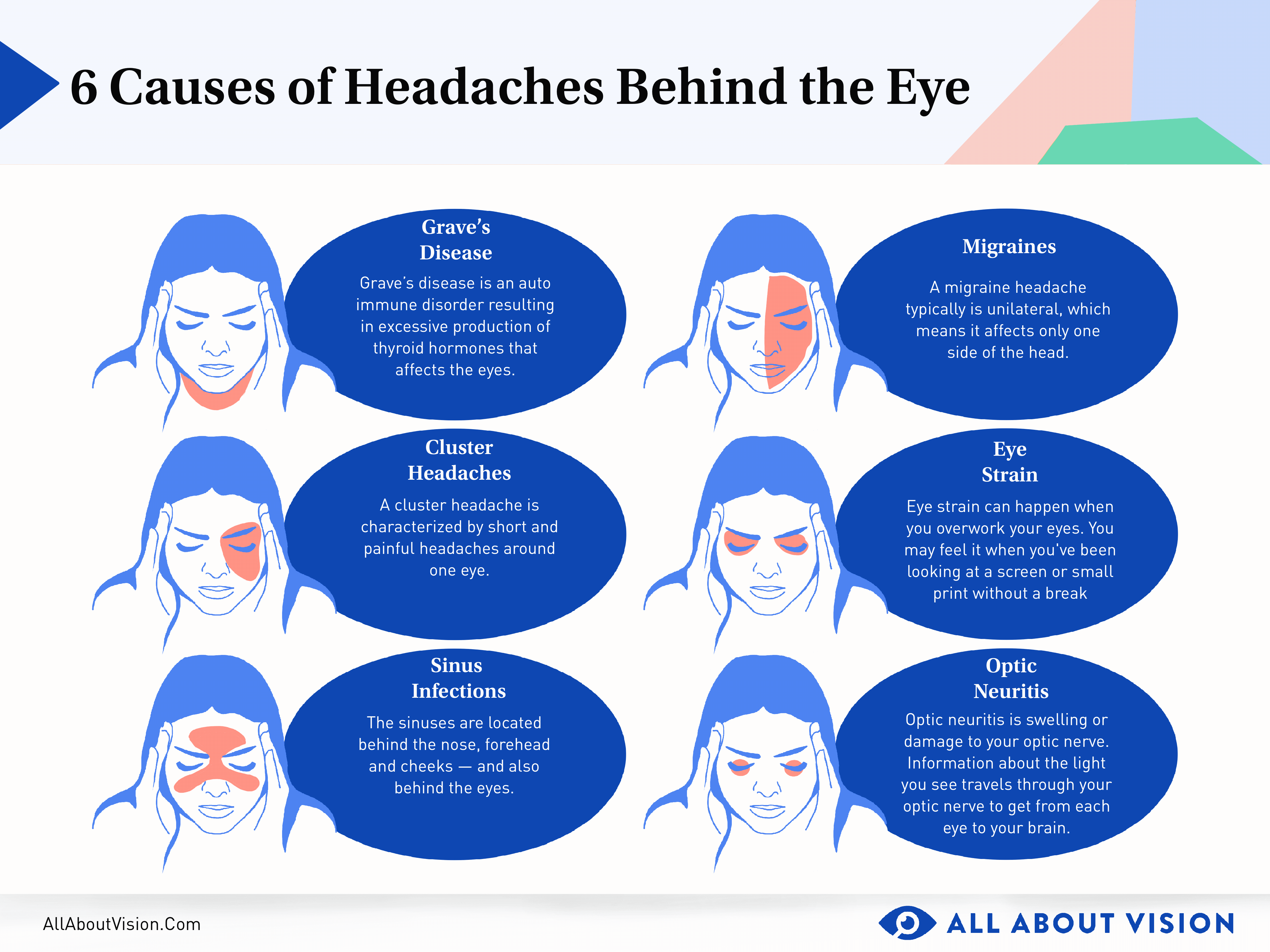
2. Vision Problems or Eye Pain

 4
4
As an aneurysm grows, it can press on nearby nerves.
Watch for:
- Blurred or double vision
- Pain behind or above the eye
- Sudden sensitivity to light
These symptoms are often overlooked—but they can be early neurological warning signs.
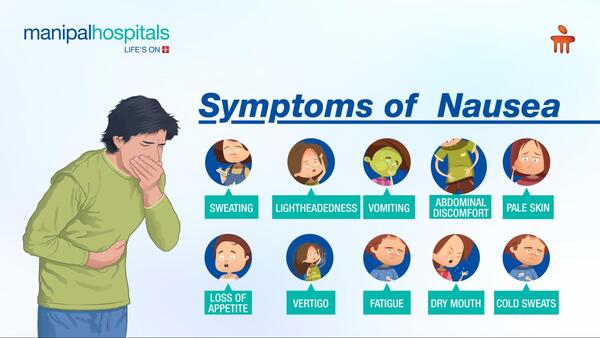
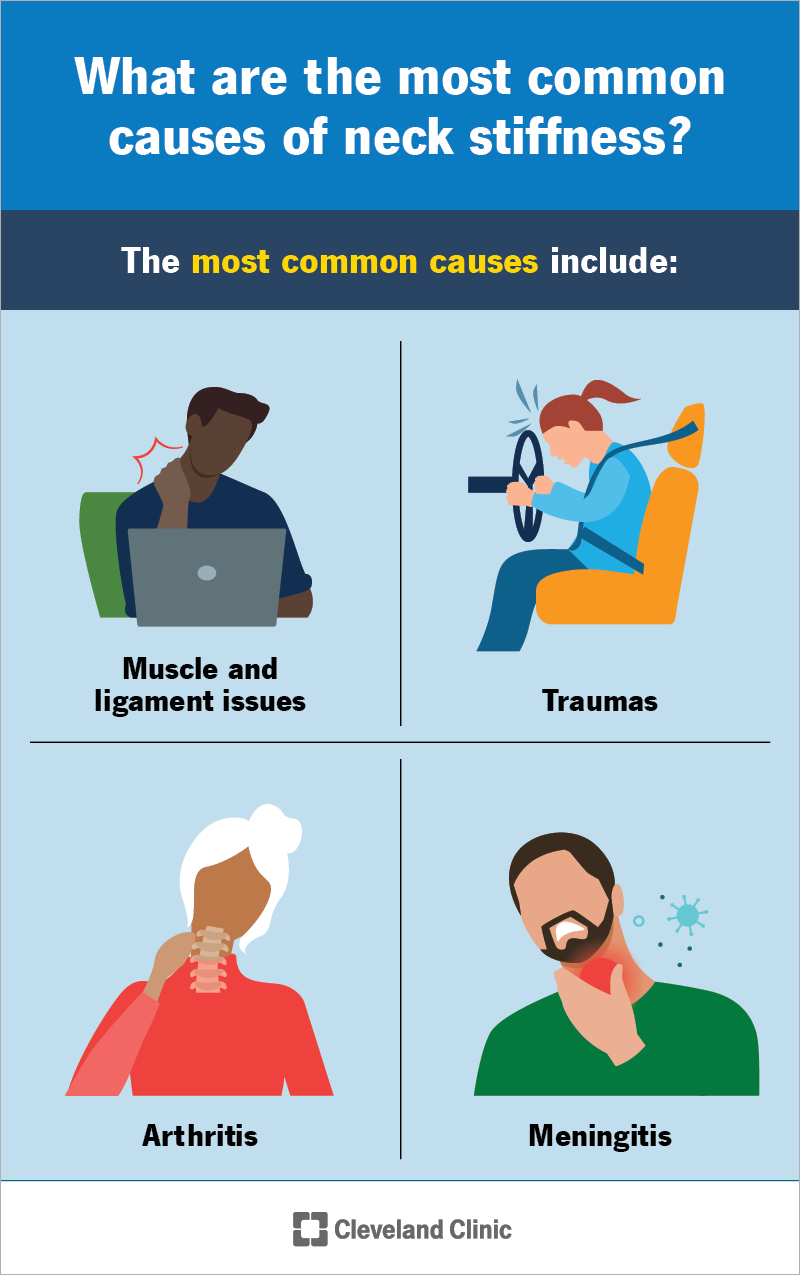
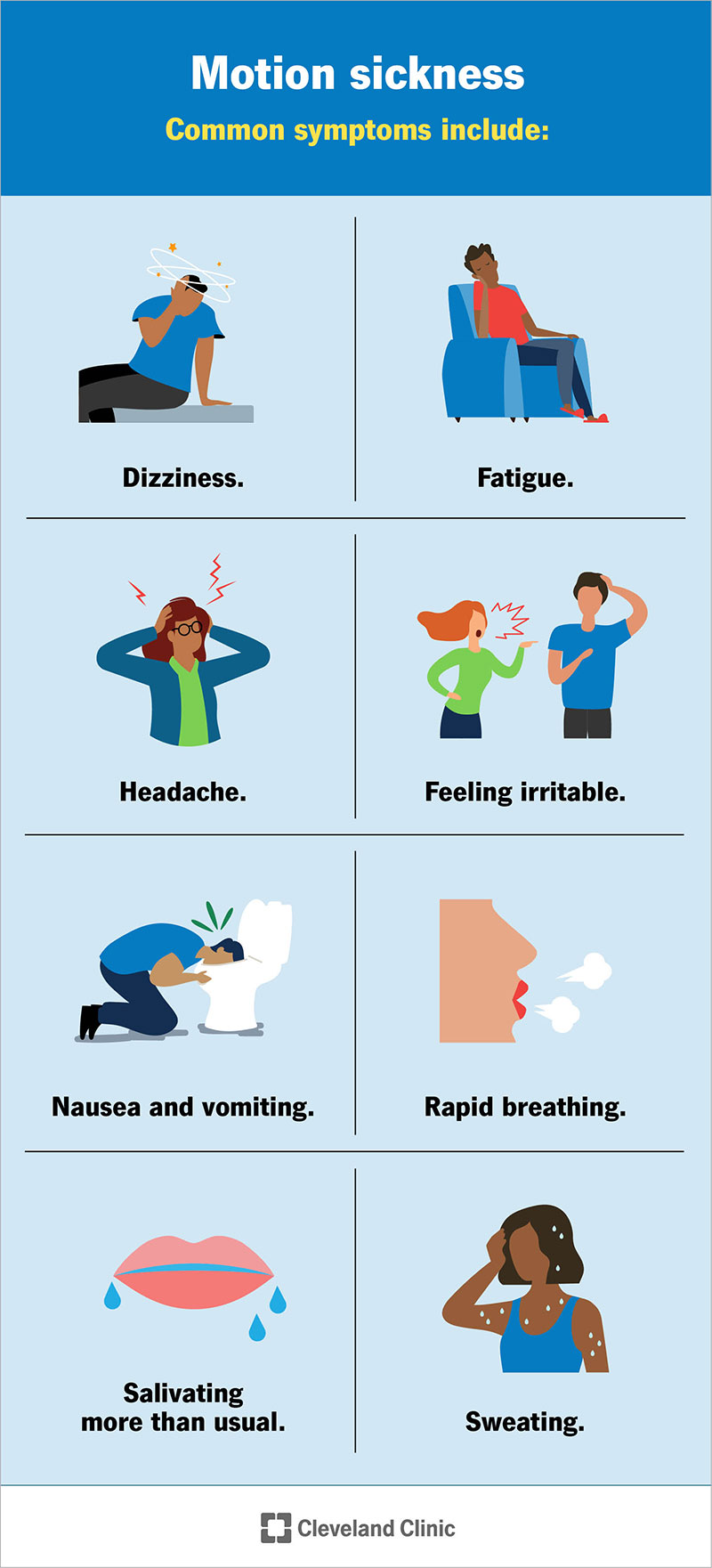
3. Nausea, Vomiting, and Neck Stiffness
 4
4
These symptoms often appear together and may mimic other illnesses.
Why they happen:
Pressure or bleeding in the brain irritates surrounding tissues.
Red flags:
- Sudden nausea with headache
- Stiff neck without injury
- Feeling extremely unwell quickly
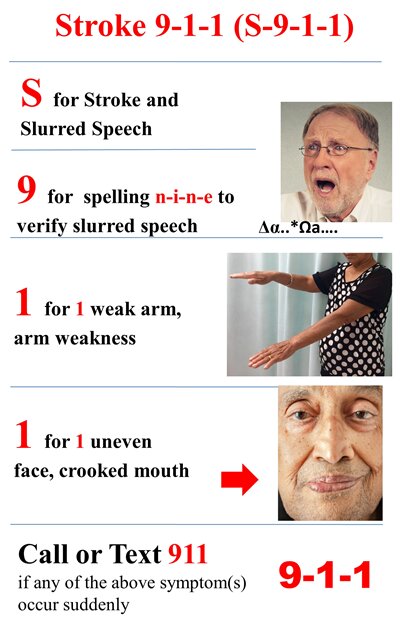
4. Sudden Confusion or Difficulty Speaking

 4
4
Brain function can be affected when blood flow is disrupted.
Signs include:
- Slurred speech
- Trouble understanding others
- Sudden confusion
👉 These are also stroke-like symptoms and should be treated as an emergency.
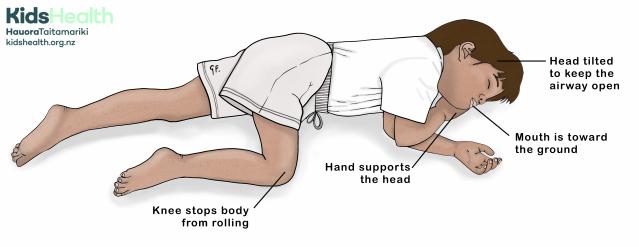
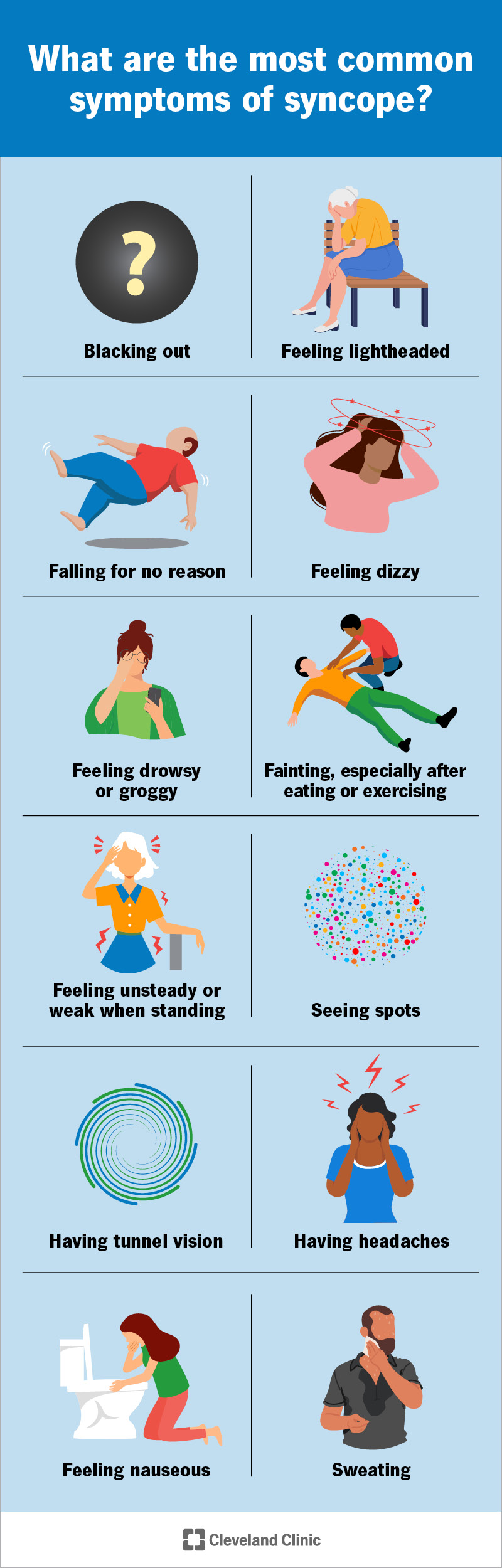
5. Loss of Consciousness or Seizures

 4
4
In severe cases, an aneurysm rupture can lead to:
- Fainting
- Seizures
- Complete loss of awareness
This is a critical situation requiring immediate medical intervention.
⚠️ Why Aneurysms Are So Dangerous
Here’s the harsh truth:
👉 Many aneurysms don’t show symptoms until they rupture.
That’s why recognizing early warning signs—especially unusual or sudden ones—is crucial.
Who Is at Higher Risk?
Some factors increase the likelihood of developing an aneurysm:
- High blood pressure
- Smoking
- Family history
- Age (especially over 40)
- Chronic stress
🚨 When to Seek Emergency Help
Call emergency services immediately if someone experiences:
- A sudden, severe headache
- Vision problems with confusion
- Loss of consciousness
- Seizures
Time is critical. Minutes can save lives.
Reality Check (Stay Calm, Stay Smart)
Not every headache is an aneurysm. Not every symptom means danger.
But sudden, intense, and unusual symptoms should never be ignored.
Final Thoughts
Your brain doesn’t give many warnings—but when it does, they are loud and urgent.
If something feels drastically wrong, trust that instinct.
Because with aneurysms, acting fast isn’t just important—it can be the difference between life and death.