Vegetables are widely recognized as essential components of a healthy diet, packed with vitamins, minerals, and antioxidants. However, recent online claims suggesting that certain vegetables may increase the risk of cancer have caused confusion and concern. While it is true that improper handling or preparation of some vegetables can pose health risks, experts emphasize that vegetables themselves are not the problem. Understanding the real risks—and how to avoid them—is key to maintaining a safe and nutritious diet.
The Truth Behind the Claims
Headlines warning that “some vegetables cause cancer” are often misleading. In reality, most vegetables are protective against cancer, not harmful. According to nutrition experts, diets rich in vegetables are associated with a lower risk of many types of cancer.
However, certain conditions—such as contamination, improper storage, or harmful cooking methods—can introduce substances that may increase cancer risk over time. This is where the concern originates.
1. Sprouted or Moldy Vegetables
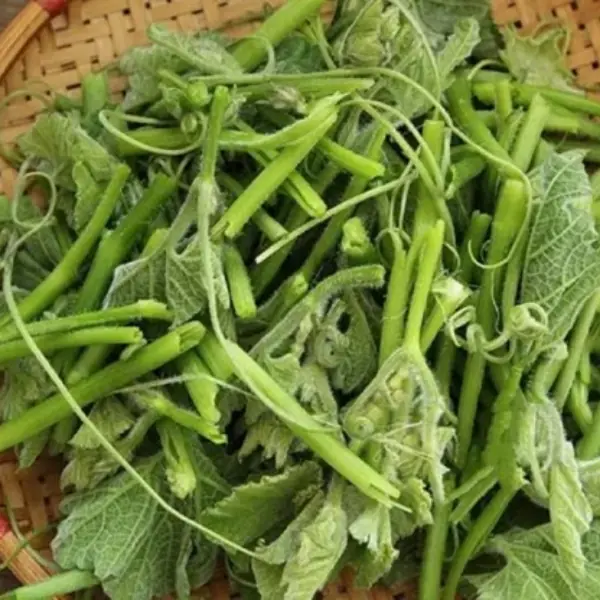
Some vegetables, especially leafy greens and sprouts, can develop mold or bacterial contamination if not stored properly.
For example:
- Moldy vegetables may contain mycotoxins, which can be harmful when consumed in large amounts
- Sprouts grown in warm, moist conditions can harbor bacteria like E. coli or Salmonella
These contaminants do not directly “cause cancer” immediately, but long-term exposure to toxins may increase health risks. It is important to always check for freshness and avoid consuming spoiled produce.
2. Pickled or Overly Processed Vegetables
Pickled vegetables, particularly those high in salt or preserved with certain chemicals, have been linked to increased cancer risk when consumed excessively.
High sodium intake can:
- Irritate the stomach lining
- Increase the risk of stomach cancer over time
Additionally, some preserved foods may contain nitrites or nitrates, which can form potentially carcinogenic compounds under certain conditions.
Moderation is key—occasional consumption is generally safe, but excessive intake should be avoided.
3. Burnt or Overcooked Vegetables
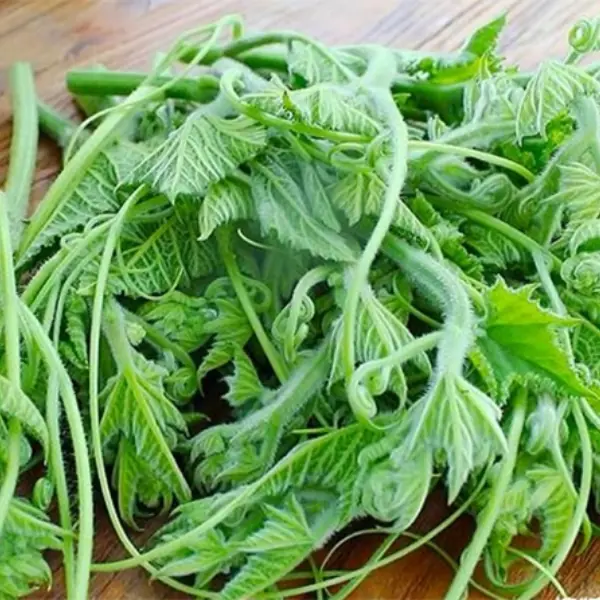
Cooking vegetables at very high temperatures, especially grilling or frying until charred, can produce harmful compounds such as:
- Acrylamide
- Polycyclic aromatic hydrocarbons (PAHs)
These substances have been linked to cancer in animal studies. While the risk in humans is still being researched, experts recommend avoiding heavily burnt or blackened foods.
Healthier cooking methods include:
- Steaming
- Boiling
- Light sautéing
These methods preserve nutrients and reduce the formation of harmful compounds.
Common Misunderstandings About Vegetables and Cancer
It is important to clarify that vegetables themselves are not carcinogenic. In fact, they contain powerful antioxidants that help protect cells from damage.
Misleading information often spreads because:
- It oversimplifies scientific findings
- It ignores the role of preparation and environment
- It focuses on rare cases rather than overall evidence
In reality, a diet lacking vegetables poses a much greater health risk than consuming them.
How to Safely Consume Vegetables
To maximize benefits and minimize risks, follow these simple guidelines:
- Wash thoroughly to remove dirt, pesticides, and bacteria
- Store properly in clean, cool conditions
- Avoid spoiled or moldy produce
- Cook at moderate temperatures
- Limit highly processed or heavily salted vegetable products
These steps help ensure that vegetables remain safe and nutritious.
The Benefits Still Outweigh the Risks
Despite the concerns, the overwhelming scientific consensus is clear: vegetables are one of the most important components of a healthy diet.
Regular vegetable consumption is linked to:
- Reduced risk of heart disease
- Lower risk of certain cancers
- Improved digestion
- Better overall health
The key is not to avoid vegetables, but to consume them wisely.
Conclusion
Claims that certain vegetables cause cancer can be alarming, but they often lack proper context. The real issue lies not in the vegetables themselves, but in how they are handled, stored, and prepared.
By choosing fresh produce, avoiding contamination, and using healthy cooking methods, you can safely enjoy the many benefits vegetables provide. Rather than fearing these foods, it is more important to stay informed and make balanced dietary choices.
In the end, vegetables remain a cornerstone of good health—and with the right approach, they can help protect, not harm, your body.