People Whose Mouths Feel Dry When Sleeping at Night Need to Know These 8 Reasons
Waking up in the middle of the night with a dry, sticky mouth—or feeling extremely thirsty first thing in the morning—might seem harmless. Many people ignore it, thinking it’s just dehydration or the weather.
But here’s the thing:
Dry mouth at night (also called nocturnal dry mouth) can be your body’s way of signaling something deeper.
Let’s break down 8 common reasons behind this uncomfortable but often overlooked symptom.
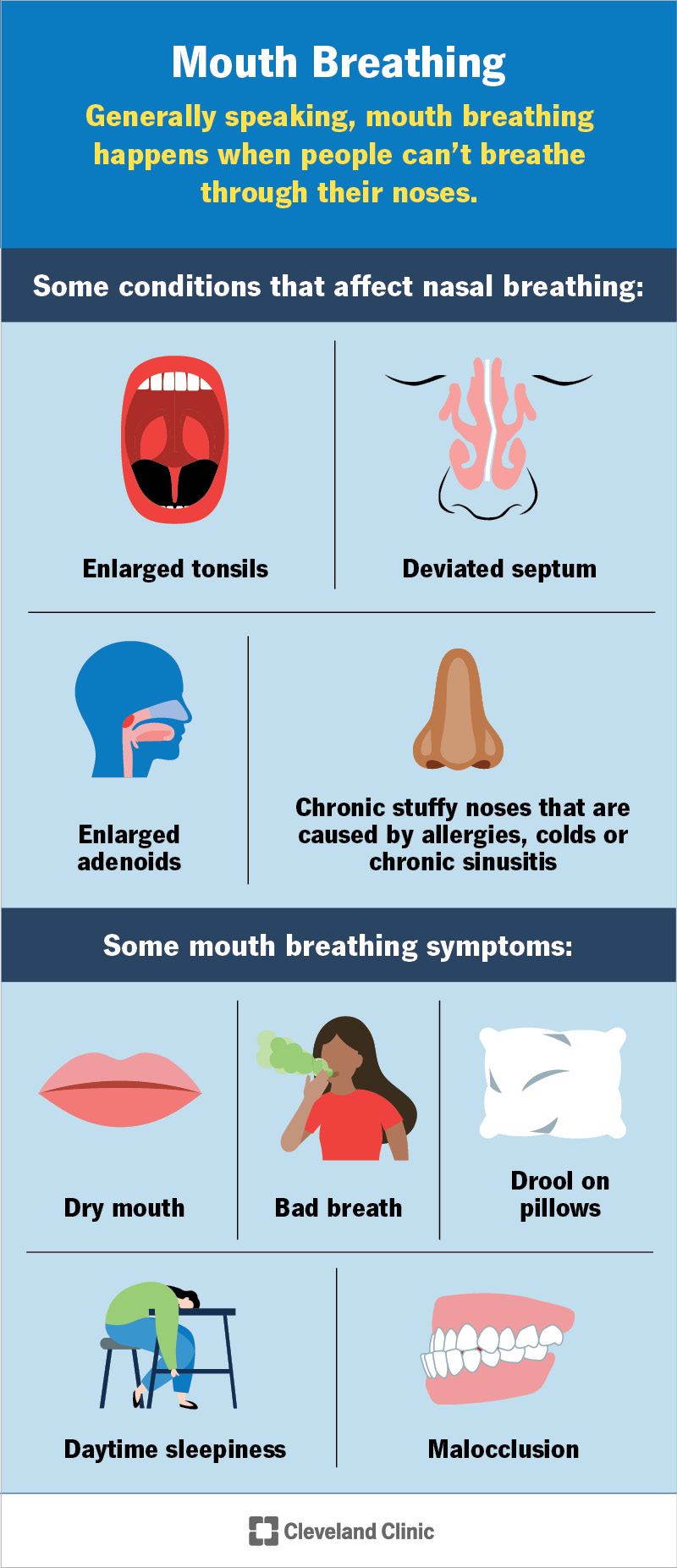
1. Mouth Breathing During Sleep

 4
4
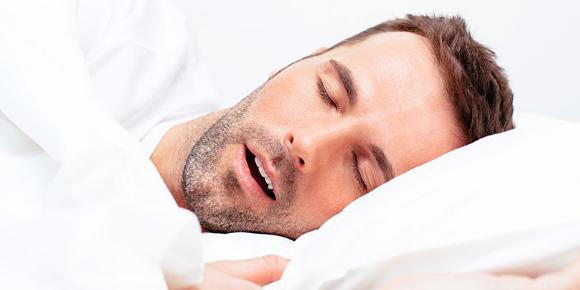
If you sleep with your mouth open, saliva evaporates quickly.
Common causes:
- Nasal congestion
- Deviated septum
- Habitual mouth breathing
👉 This is one of the most common reasons for waking up with a dry mouth.
2. Dehydration


 4
4
Not drinking enough water during the day can catch up with you at night.
Signs include:
- Dry lips
- Thirst upon waking
- Dark urine
👉 Your body simply doesn’t have enough fluid to produce saliva.
3. Side Effects of Medications


 4
4
Many common medications can reduce saliva production.
These include:
- Antihistamines
- Antidepressants
- Blood pressure drugs
👉 If dry mouth started after taking a new medication, this could be the cause.
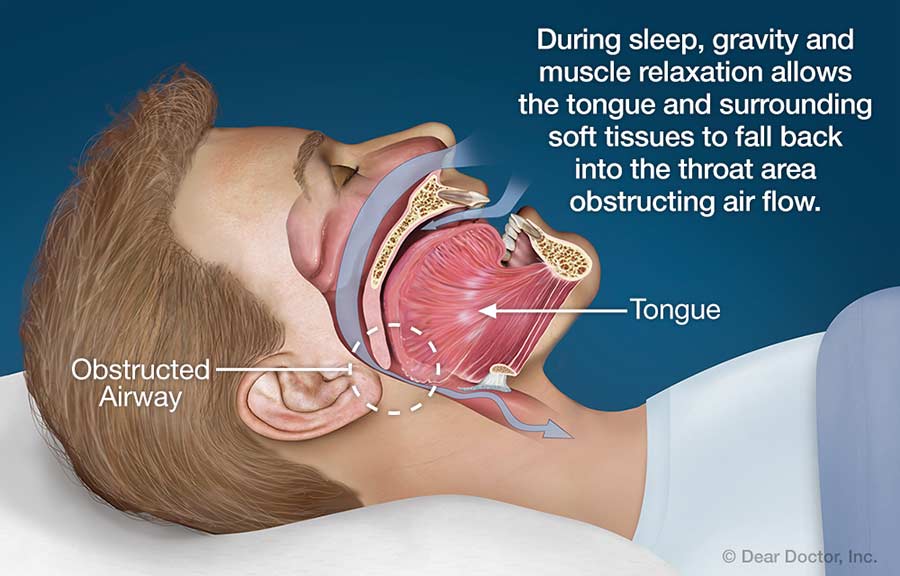
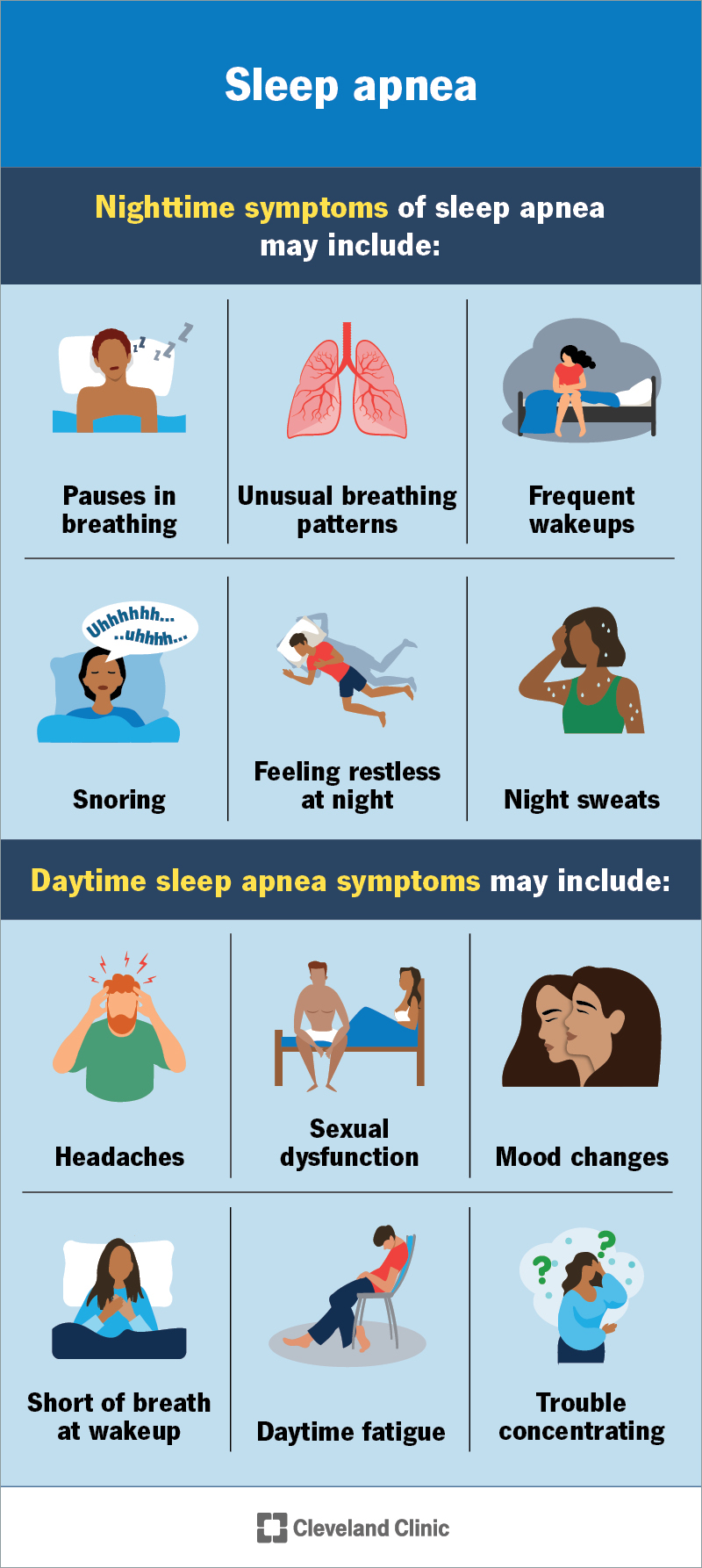
4. Snoring or Sleep Apnea
 4
4
Loud snoring or interrupted breathing can lead to dryness.
Why it happens:
- Airflow through the mouth dries oral tissues
- Reduced oxygen affects normal body functions
👉 This may also come with poor sleep quality and daytime fatigue.
5. Acid Reflux (GERD)
 4
4
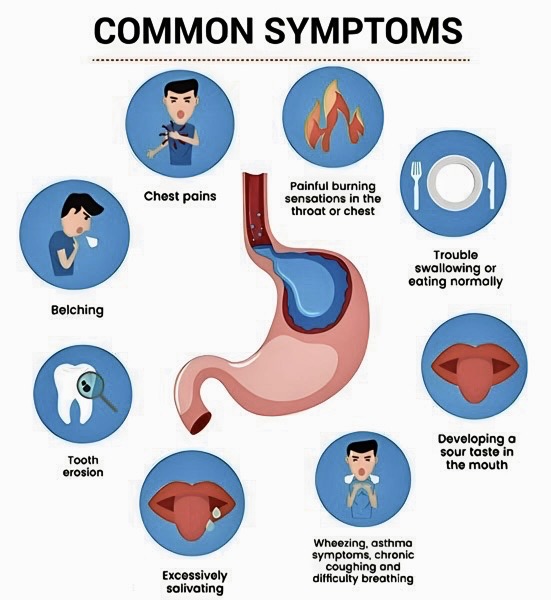
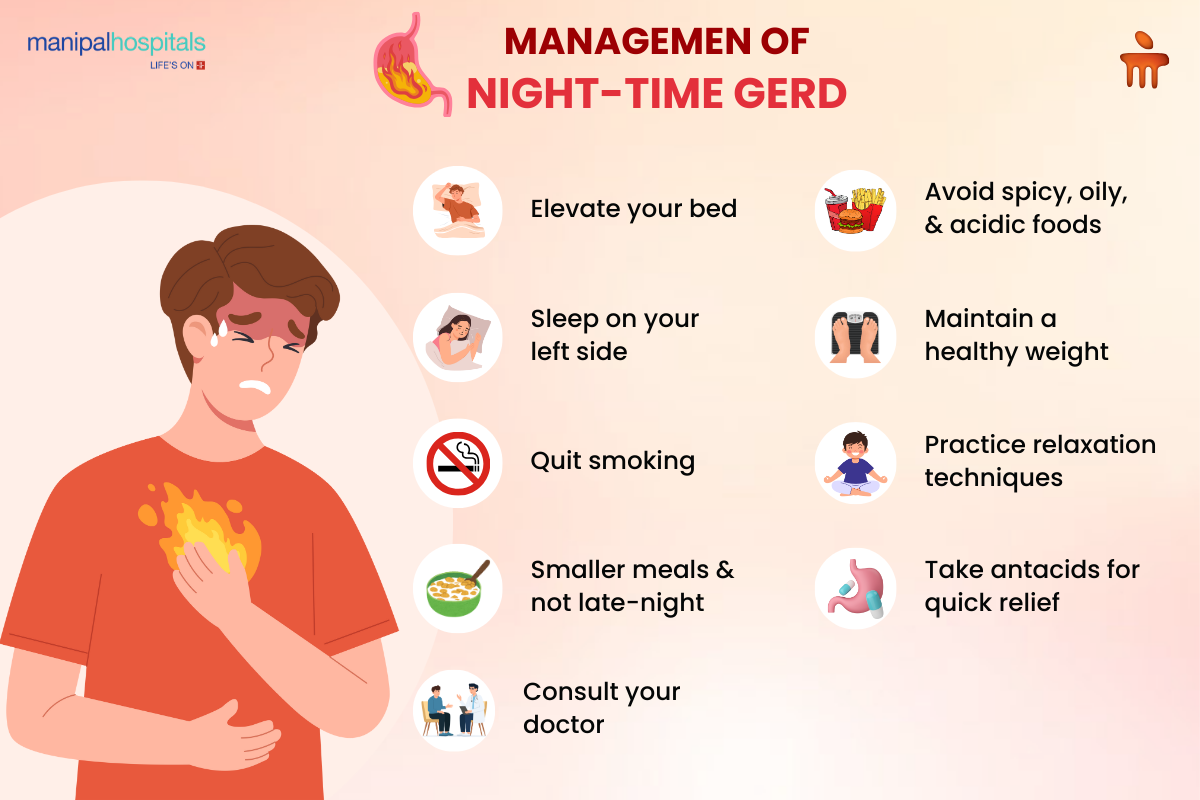
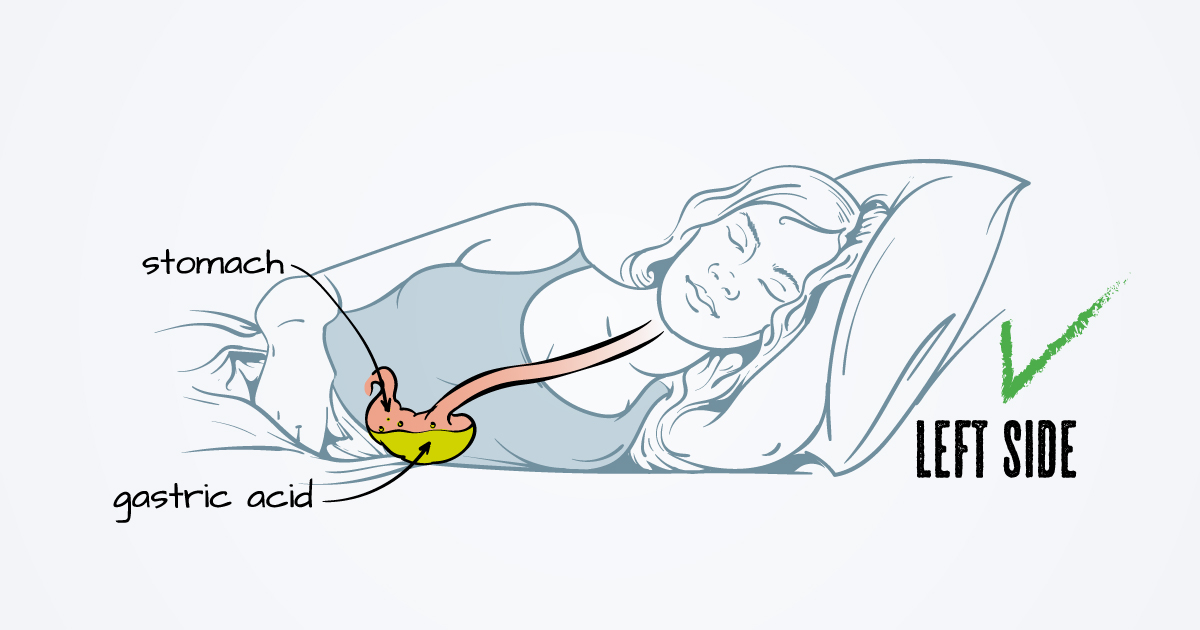
If stomach acid flows back into the esophagus at night, it can affect saliva production.
Signs to watch for:
- Burning sensation in chest
- Bitter taste in the mouth
- Dryness or irritation in the throat
6. Diabetes or Blood Sugar Imbalance

 4
4
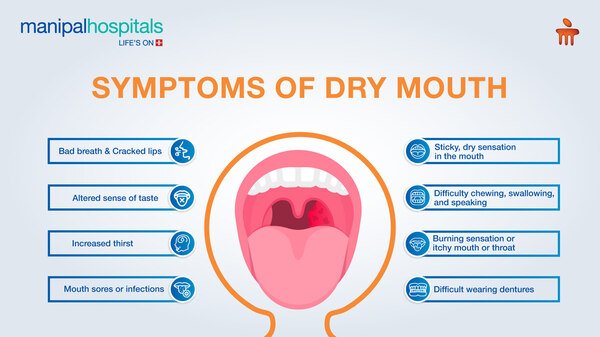
Frequent thirst and dry mouth—especially at night—can be linked to blood sugar issues.
Red flags:
- Excessive thirst
- Frequent urination
- Fatigue
👉 This is something that should not be ignored if persistent.
7. Stress and Anxiety


 4
4
Mental health can affect physical symptoms more than you think.
Stress can:
- Reduce saliva production
- Disrupt sleep patterns
- Increase mouth breathing
👉 The result: waking up with a dry mouth.
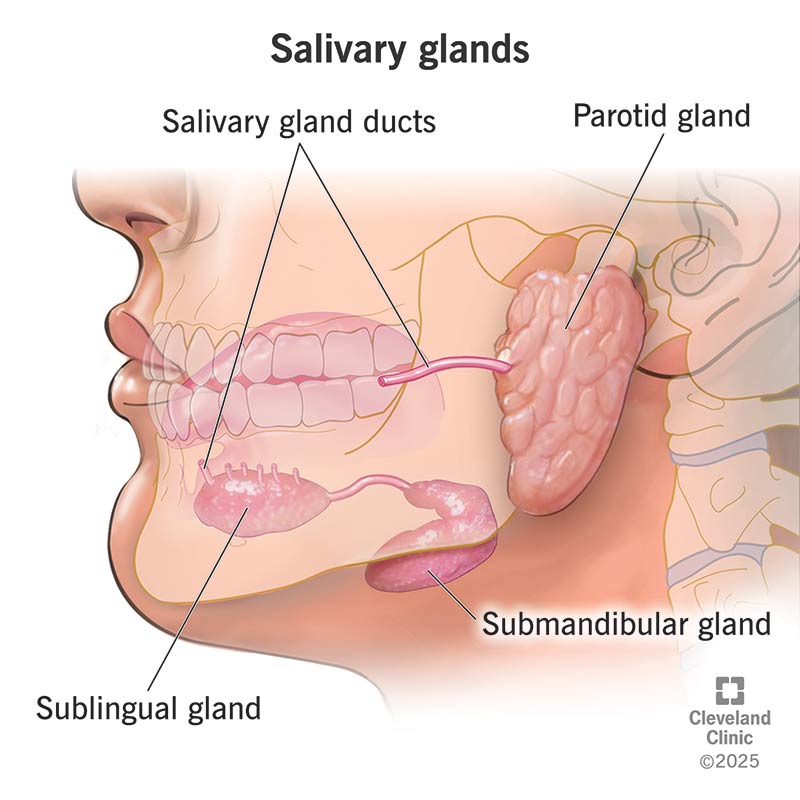
8. Salivary Gland Issues

 4
4
Sometimes, the issue is directly related to saliva production.
Possible causes:
- Blocked salivary glands
- Infections
- Certain medical conditions
👉 This leads to chronic dryness, not just occasional symptoms.
⚠️ When Should You Be Concerned?
Dry mouth once in a while? Totally normal.
But pay attention if:
- It happens every night
- You wake up multiple times feeling thirsty
- It’s combined with other symptoms (fatigue, urination, snoring)
Simple Ways to Reduce Nighttime Dry Mouth
✔️ Drink enough water during the day
✔️ Use a humidifier at night
✔️ Avoid caffeine or alcohol before bed
✔️ Treat nasal congestion
✔️ Maintain good oral hygiene
Reality Check (No Overthinking Needed)
Let’s be real—most cases of dry mouth are not dangerous.
But your body repeats symptoms for a reason.
Final Thoughts
Dry mouth at night might seem small—but it’s often a signal, not just a symptom.
If it keeps happening, your body is trying to tell you something.
Listen early. Adjust habits.
And if needed—get it checked.
Because sometimes, the smallest discomforts carry the biggest clues.