Finding a millipede crawling across your floor can be an unsettling experience. With their many legs and slow, wriggling movement, they often trigger an instinctive reaction: get rid of it immediately. However, before you reach for a shoe or spray, it’s worth understanding what millipedes actually are and why they might not be the harmful intruders you assume.
In many cases, these small creatures are harmless and can even provide subtle benefits. Taking a moment to respond thoughtfully rather than reactively can help you handle the situation more effectively.
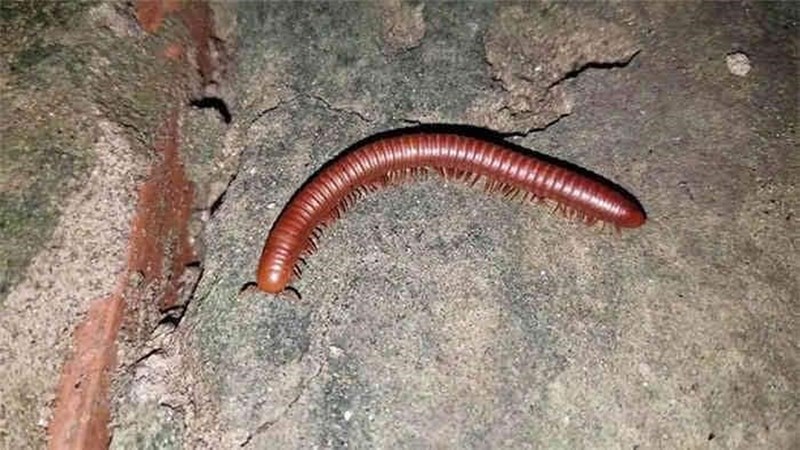
What Is a Millipede?
A Millipede is a type of arthropod known for its long, segmented body and numerous legs. Despite their intimidating appearance, millipedes are not aggressive and do not bite or sting.
They are typically found in:
- Moist environments
- Soil, leaf litter, or decaying organic matter
- Gardens and shaded outdoor areas
Millipedes play an important role in breaking down organic material, contributing to natural nutrient recycling.
Why Do Millipedes Enter Your Home?
Millipedes don’t enter homes to invade or cause damage—they usually come inside by accident.
Common reasons include:
- Excess moisture: They are attracted to damp conditions
- Weather changes: Heavy rain or dry spells can drive them indoors
- Search for shelter: Cracks, doors, or windows provide easy entry points
If you’re seeing millipedes inside, it may be a sign that your home has areas of high humidity.
Are Millipedes Dangerous?
For the most part, millipedes are harmless to humans and pets.
What you should know:
- They do not bite or sting
- They do not spread diseases
- They may release a mild defensive fluid, which can cause slight skin irritation in rare cases
Compared to many other household pests, millipedes pose minimal risk.
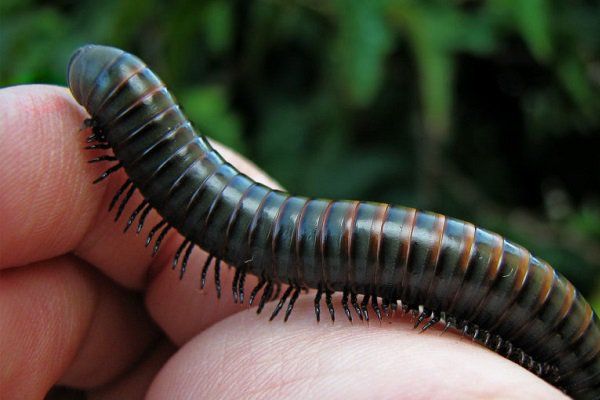
Why You Shouldn’t Kill Them Immediately
Your first reaction might be to eliminate the insect, but there are good reasons to pause.
1. They Help the Environment
Millipedes break down dead plant material, helping enrich soil and support ecosystems. While this benefit is mostly outdoors, it reflects their role as beneficial organisms rather than pests.
2. They Don’t Infest Homes
Unlike ants or cockroaches, millipedes do not reproduce or form colonies inside your house. Seeing one or two usually means they wandered in—not that you have an infestation.
3. Killing Doesn’t Solve the Root Problem
If moisture or entry points are the issue, removing one millipede won’t prevent others from coming in. Addressing the underlying cause is far more effective.
What Should You Do Instead?
If you find a millipede indoors, a more practical and humane approach is to remove it safely.
Simple steps:
- Use a tissue, cup, or container to pick it up
- Release it outside in a garden or moist area
- Avoid direct contact if you’re sensitive to skin irritation
This method keeps your home clean while respecting the environment.
How to Prevent Millipedes from Entering
If you’d prefer not to encounter them again, focus on prevention rather than elimination.
Key strategies:
1. Reduce Moisture
- Fix leaks or damp areas
- Use a dehumidifier in humid rooms
- Improve ventilation
2. Seal Entry Points
- Close cracks in walls, windows, and doors
- Install door sweeps and window screens
3. Maintain Outdoor Areas
- Remove piles of leaves or organic debris near your home
- Keep gutters clean
- Trim plants away from walls
Creating a dry, well-sealed environment makes your home less attractive to millipedes.
When Should You Be Concerned?
Seeing an occasional millipede is normal, especially during certain seasons. However, you may need to take further action if:
- You notice large numbers indoors regularly
- There is persistent dampness or mold in your home
- Entry points are widespread or difficult to control
In such cases, addressing moisture issues or consulting pest control professionals may be necessary.

Final Thoughts
Millipedes may look unusual, but they are far from dangerous. In fact, they are gentle creatures that play a helpful role in nature. When one appears in your home, it’s usually just passing through not invading.
Instead of reacting with fear, a calm and informed response can make all the difference. By understanding why millipedes enter and how to prevent it, you can maintain a clean, comfortable living space without unnecessary harm.
Sometimes, the best solution isn’t to eliminate but to understand and manage wisely.