Cancer often develops silently, with symptoms that can be subtle or easily mistaken for less serious conditions. Recognizing early warning signs is crucial, as early detection significantly improves treatment outcomes. While these symptoms do not always mean cancer, persistent or unusual changes in the body should never be ignored.
Understanding Early Cancer Symptoms
Cancer occurs when abnormal cells grow uncontrollably and interfere with normal bodily functions. In its early stages, the body may send warning signals. These signs vary depending on the type of cancer but often share common patterns such as unexplained changes, persistent discomfort, or unusual bodily functions.
Being aware of these signals can help individuals seek medical advice before the disease progresses.
1. Unexplained Weight Loss

Losing weight without changes in diet or physical activity can be an early sign of several cancers, including stomach, pancreas, or lung cancer. Sudden weight loss may indicate that the body is using more energy to fight abnormal cell growth.
2. Persistent Fatigue
Feeling constantly tired despite adequate rest may be linked to cancers such as leukemia or colon cancer. This fatigue is often deeper than normal tiredness and does not improve with sleep.
3. Changes in Bowel Habits
Chronic constipation, diarrhea, or changes in stool consistency may signal colorectal cancer. Blood in the stool or persistent abdominal discomfort should be evaluated promptly.
4. Frequent Urination or Pain
Changes in urination patterns, including pain or blood in urine, may indicate bladder or prostate cancer.
5. Unusual Bleeding
Unexpected bleeding—such as coughing up blood, vaginal bleeding outside normal cycles, or rectal bleeding—can be an early warning sign of various cancers.
6. Persistent Cough or Hoarseness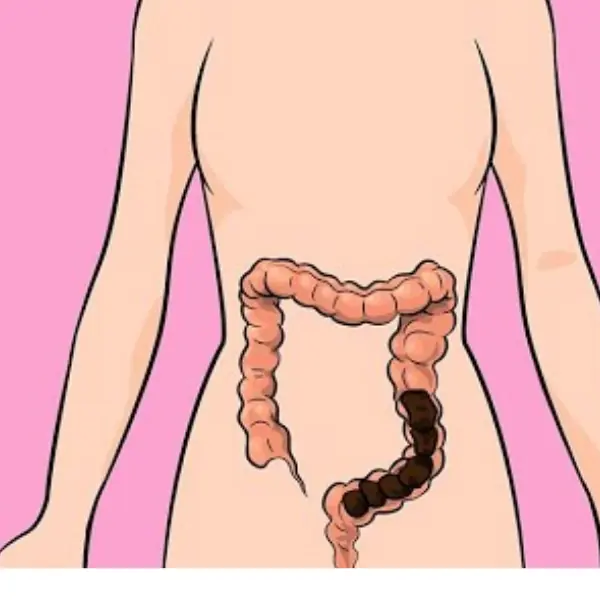
A cough that does not go away or changes in voice may be associated with lung or throat cancer.
7. Skin Changes
New moles, changes in existing moles, or unusual skin discoloration can signal skin cancer. Pay attention to asymmetry, irregular borders, and changes in color.
8. Lumps or Thickening
The appearance of lumps, especially in the breast, neck, or underarms, should be examined. These may indicate tumors or swollen lymph nodes.
9. Difficulty Swallowing
Persistent trouble swallowing may be linked to esophageal or throat cancer.
10. Chronic Indigestion
Ongoing indigestion or discomfort after eating could be a sign of stomach or esophageal cancer.
11. Persistent Pain
Unexplained and ongoing pain in any part of the body can be a warning sign, depending on its location.
12. Itchy or Irritated Skin
Persistent itching without a clear cause may be linked to internal cancers, including liver disease-related cancers.
13. Changes in Breast Appearance
Swelling, dimpling, or redness in the breast area should not be ignored.
14. Sores That Do Not Heal
Wounds or ulcers that take a long time to heal may indicate skin or oral cancer.
15. Night Sweats
Excessive sweating at night can be associated with certain cancers, such as lymphoma.
16. Persistent Fever
A long-lasting fever without infection may be linked to blood cancers.
17. Bloating
Chronic bloating, especially in women, may signal ovarian cancer.
18. Changes in Appetite
A sudden loss of appetite can be an early symptom of several cancers.
19. Back or Pelvic Pain
Persistent pain in these areas may indicate cancers affecting nearby organs.
20. Swelling in Limbs
Unexplained swelling in arms or legs could be related to lymphatic or circulatory issues caused by tumors.
When Should You See a Doctor?
Experiencing one or more of these symptoms does not necessarily mean cancer. However, if symptoms persist for more than a few weeks or worsen over time, it is important to seek medical evaluation.
Early diagnosis greatly increases the chances of successful treatment. Routine screenings and check-ups also play a vital role in detecting cancer before symptoms appear.
Prevention and Awareness
While not all cancers can be prevented, adopting a healthy lifestyle can reduce risk. This includes maintaining a balanced diet, exercising regularly, avoiding tobacco, limiting alcohol, and protecting skin from excessive sun exposure.
Conclusion
Your body often gives warning signs when something is wrong. Paying attention to persistent or unusual changes can help detect cancer early, when it is most treatable. Awareness, combined with timely medical care, can make a life-saving difference.