Many everyday habits seem harmless, but some can carry unexpected health risks. A recent case has drawn attention after a woman developed fungal growth inside her nose—an unusual but serious condition linked to a common behavior that many people overlook. This incident highlights how small actions, when repeated frequently, can lead to significant health problems.
Understanding the causes, symptoms, and prevention methods is essential to protect yourself and your loved ones.
What Is Nasal Fungal Infection?
A fungal infection in the nose occurs when fungi—microscopic organisms found in the environment—grow inside the nasal cavity or sinuses. While our bodies are usually able to fight off these organisms, certain conditions can allow them to multiply and cause infection.
This condition is sometimes referred to as fungal sinusitis, and it can range from mild to severe depending on the individual’s health.
The Common Habit Behind the Risk
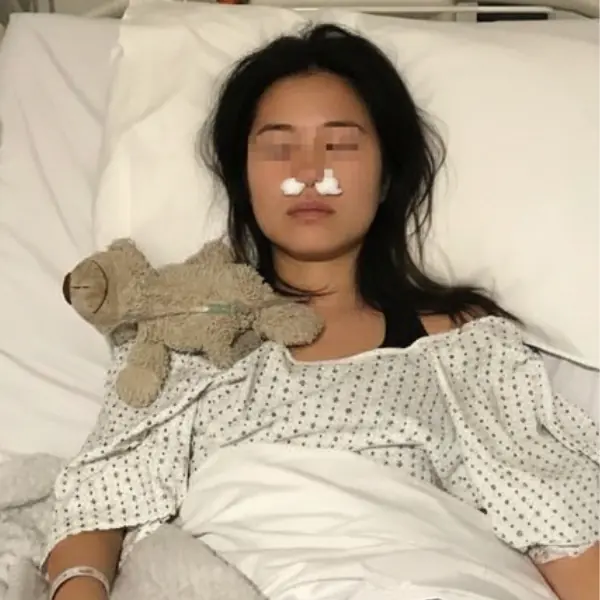
One of the most overlooked causes of nasal infection is frequent nose picking or inserting unclean objects into the nose.
This habit can:
- Introduce bacteria and fungi into the nasal passages
- Damage the delicate lining inside the nose
- Create small wounds that become entry points for infection
Other related habits include:
- Not washing hands before touching the face
- Using contaminated tissues or tools
- Poor personal hygiene
While these behaviors may seem minor, they can increase the risk of infection over time.
Symptoms to Watch For
Nasal fungal infections may develop gradually, and early signs can be easy to ignore.
Common symptoms include:
- Persistent nasal congestion
- Unusual discharge (sometimes thick or discolored)
- Pain or pressure in the nose or face
- Nosebleeds
- A foul smell inside the nose
- Visible sores or abnormal growths
If left untreated, symptoms may worsen and affect surrounding areas such as the sinuses or even the eyes.
Who Is at Higher Risk?
While anyone can develop this condition, certain groups are more vulnerable:
- People with weakened immune systems
- Individuals with diabetes
- Those who frequently suffer from sinus infections
- People living in humid or dusty environments
For these individuals, extra care is especially important.
Why Early Treatment Matters
Fungal infections can become serious if ignored. In severe cases, they may:
- Spread to nearby tissues
- Cause long-term sinus damage
- Require surgical treatment
Early diagnosis allows for simpler treatments, such as antifungal medications, and helps prevent complications.
How Doctors Diagnose the Condition
If a nasal infection is suspected, a doctor may:
- Perform a physical examination
- Use imaging tests (such as CT scans)
- Take a sample for laboratory analysis
These steps help determine the type of infection and the best course of treatment.
Treatment Options
Treatment depends on the severity of the infection:
- Mild cases: antifungal medications
- Moderate cases: nasal sprays and targeted therapy
- Severe cases: surgical removal of infected tissue
Following medical advice is crucial to ensure full recovery.
Prevention: Simple but Effective Steps
Preventing nasal fungal infections is often straightforward:
1. Maintain Good Hygiene
Wash your hands regularly, especially before touching your face.
2. Avoid Nose Picking
This reduces the risk of introducing harmful organisms.
3. Keep Your Environment Clean
Reduce exposure to dust, mold, and pollutants.
4. Strengthen Your Immune System
Eat a balanced diet, exercise, and get enough sleep.
5. Seek Early Medical Advice
Don’t ignore persistent nasal symptoms.
Common Misconceptions
Many people believe that nasal issues are always minor or temporary. However:
- Not all nasal symptoms are harmless
- Infections can develop silently
- Ignoring symptoms can worsen the condition
Awareness is key to prevention and early intervention.
Conclusion
The case of a woman developing fungal growth inside her nose serves as a powerful reminder that even simple habits can have serious consequences. By maintaining proper hygiene, avoiding harmful behaviors, and paying attention to early symptoms, you can significantly reduce your risk.
Your health often depends on small daily choices—making the right ones can protect you from unexpected problems in the future.