Colon cancer is one of the most common yet preventable forms of cancer when detected early. Unfortunately, many cases are diagnosed at an advanced stage because early symptoms are often subtle or mistaken for less serious conditions. One woman’s story has gained attention after she was diagnosed with stage four colon cancer and realized she had overlooked several warning signs.
Her experience serves as a powerful reminder of the importance of listening to your body and seeking medical advice when something feels off.
Why Colon Cancer Often Goes Undetected
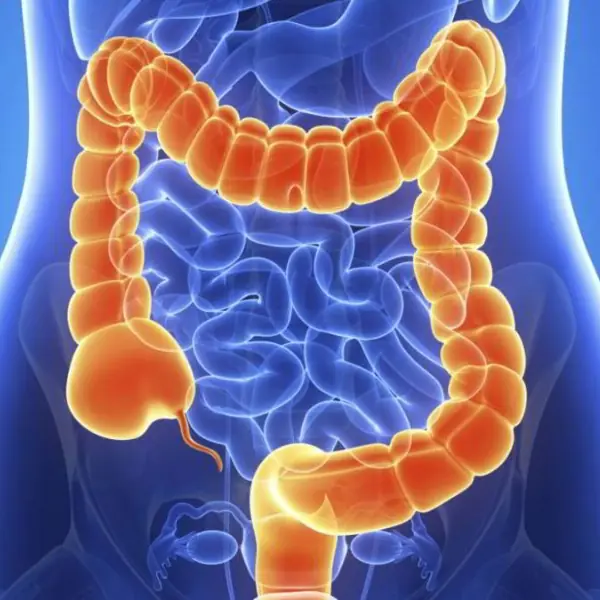
Colon cancer develops in the large intestine and can grow slowly over time. In its early stages, symptoms may be mild or even absent, making it easy to ignore.
Common reasons for delayed diagnosis include:
- Symptoms resembling digestive issues
- Hesitation to discuss bowel-related concerns
- Lack of regular screenings
This is why awareness and education are essential.
The 5 Symptoms She Ignored
According to her account, there were several warning signs that she initially dismissed.
1. Persistent Changes in Bowel Habits
One of the earliest signs was a noticeable change in bowel movements.
This included:
- Frequent diarrhea or constipation
- Changes in stool consistency
Such changes lasting more than a few weeks should not be ignored.
2. Blood in the Stool

She noticed occasional blood but assumed it was due to minor issues like hemorrhoids.
However, blood in the stool can be a serious warning sign and should always be evaluated by a doctor.
3. Unexplained Abdominal Pain
Ongoing discomfort or cramping in the abdomen was another symptom.
While stomach pain can have many causes, persistent pain without a clear reason should be investigated.
4. Unintended Weight Loss
She experienced weight loss without changing her diet or lifestyle.
Sudden, unexplained weight loss can indicate underlying health problems, including cancer.
5. Constant Fatigue
Feeling tired all the time, even after rest, was another overlooked sign.
This may be linked to internal bleeding or the body’s response to illness.
Why Early Detection Is Critical
When colon cancer is detected early:
- Treatment is more effective
- Survival rates are significantly higher
- Less aggressive treatments may be required
In contrast, stage four cancer often means the disease has spread, making treatment more complex.
Who Is at Risk?
While colon cancer can affect anyone, certain factors increase risk:
- Age over 45
- Family history of colon cancer
- Low-fiber, high-fat diet
- Sedentary lifestyle
- Smoking and alcohol use
Understanding your risk can help you take preventive steps.
The Importance of Screening
Regular screening is one of the most effective ways to detect colon cancer early.
Common screening methods include:
- Colonoscopy
- Stool tests
- Imaging tests
Doctors recommend starting screening at age 45—or earlier if you have risk factors.
How to Reduce Your Risk
While not all cases can be prevented, healthy habits can lower your risk:
- Eat a diet rich in fruits, vegetables, and fiber
- Exercise regularly
- Maintain a healthy weight
- Limit alcohol and avoid smoking
Small lifestyle changes can have a significant impact over time.
Don’t Ignore Your Body’s Signals
One of the key lessons from this story is the danger of ignoring symptoms.
Many people:
- Dismiss warning signs as minor issues
- Delay medical visits due to fear or inconvenience
- Assume symptoms will go away on their own
However, early action can make a life-saving difference.
Conclusion
The story of a woman diagnosed with stage four colon cancer after ignoring early symptoms highlights a critical message: awareness can save lives. While the signs may seem mild or unrelated, paying attention to changes in your body and seeking medical advice promptly is essential.
Colon cancer is often treatable when caught early. By recognizing the warning signs and prioritizing regular screenings, you can take control of your health and reduce the risk of late diagnosis.