Chapter 1: When an Ordinary Sore Throat Becomes Something More Serious
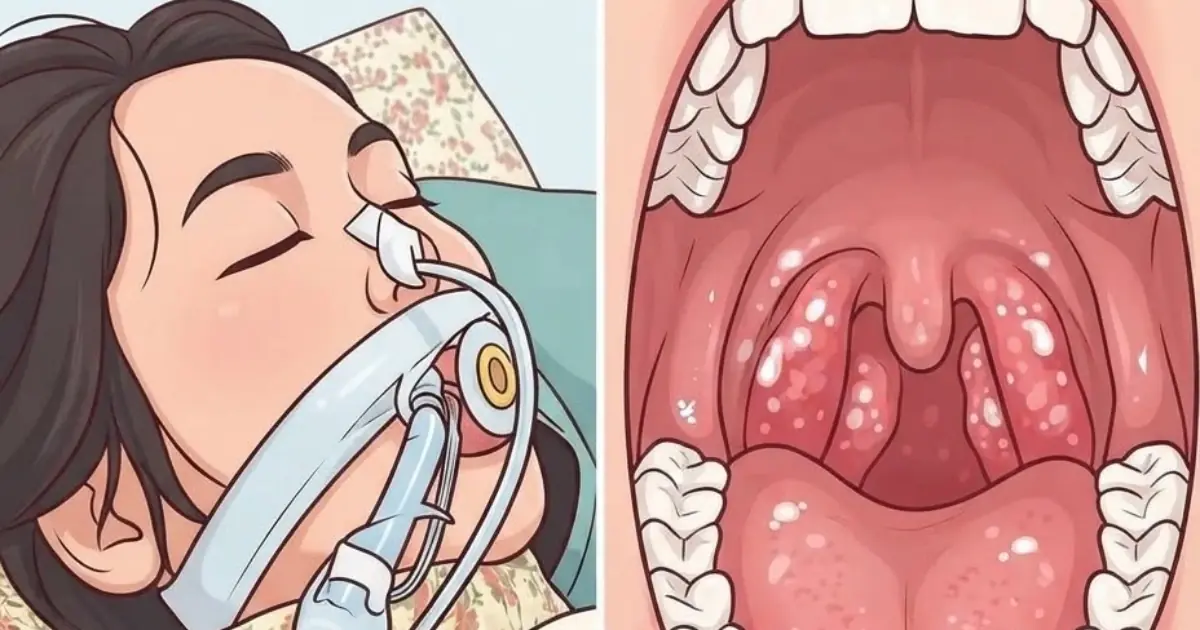
A sore throat is something almost everyone experiences at some point in life.
It may begin with a slight scratchy sensation when swallowing, mild discomfort in the morning, or an irritating feeling that makes drinking water unpleasant.
For many people, the symptoms are caused by an ordinary viral infection and gradually disappear without serious complications.
However, not every sore throat follows this pattern.
In some cases, the infection can become more severe, spread into surrounding tissues, or cause swelling that interferes with breathing and swallowing.
This is why doctors encourage people to pay attention to changes in their symptoms rather than assuming that every sore throat is harmless.
Why Does the Throat Become Inflamed?
The throat is an important part of the respiratory and digestive systems.
It allows air to travel toward the lungs and food and liquids to pass toward the esophagus.
The tonsils, located at the back of the mouth, also play a role in the body's immune defenses.
They help recognize and respond to germs entering through the mouth and nose.
When viruses or bacteria infect the throat, surrounding tissues may become inflamed.
This inflammation can cause pain, redness, swelling, and difficulty swallowing.
Common causes include:
-
Common cold viruses.
-
Influenza viruses.
-
Group A Streptococcus bacteria.
-
Tonsillitis.
-
Glandular fever.
-
Irritation from smoke or environmental pollutants.
Most sore throats are caused by viruses. Bacterial infections account for a smaller proportion of cases.
The distinction matters because antibiotics work against certain bacterial infections but do not treat viral illnesses.
NHS+2
What Happens During a Typical Throat Infection?
When an infection develops, the immune system activates a response to fight the invading organism.
Blood flow to the affected tissues increases, and immune cells move toward the infected area.
This can produce redness and swelling.
The person may experience pain when swallowing, a dry or scratchy sensation, swollen glands in the neck, and sometimes fever.
Some people also develop headaches, fatigue, coughing, or a runny nose.
In uncomplicated cases, symptoms gradually improve.
The NHS notes that most ordinary sore throats improve within approximately one week.
NHS+1
But the situation changes when symptoms become unusually severe or progress rapidly.
Why a Rapidly Worsening Infection Deserves Attention
The throat contains several closely connected structures.
An infection affecting the tonsils may sometimes spread into the surrounding tissues.
In rare situations, an abscess can develop near a tonsil.
Other infections may cause swelling around the upper airway.
Because the airway is essential for breathing, significant swelling in this area can become an emergency.
This is one reason why doctors take certain symptoms very seriously.
A person who initially experiences throat discomfort may later develop difficulty swallowing, an unusual voice, or problems opening the mouth.
These changes should not be dismissed as ordinary soreness.
The Difference Between Discomfort and a Medical Emergency
It is important to understand that pain alone does not necessarily indicate a dangerous infection.
Someone with a mild sore throat who can breathe normally, swallow liquids, and maintain normal hydration may be able to recover with appropriate home care.
However, a person who cannot swallow saliva, begins drooling, or struggles to breathe needs immediate medical attention.
The NHS specifically identifies difficulty breathing, inability to swallow, drooling, and high-pitched breathing sounds as emergency warning signs.
NHS+1
The speed at which symptoms develop also matters.
A sore throat that becomes dramatically worse over a short period deserves more attention than mild discomfort that is gradually improving.
Why Young and Otherwise Healthy Adults Should Pay Attention Too
Some people assume that serious infections only affect children, older adults, or people with existing medical conditions.
That assumption is incorrect.
Healthy young adults can also develop severe infections.
Age alone cannot rule out complications.
Certain infections can progress quickly, and the absence of a previous medical condition does not guarantee protection.
People with weakened immune systems may face additional risks, but serious throat infections can affect individuals across different age groups.
The central message is not that every sore throat is dangerous.
It is that the development of additional warning signs should change how someone responds.
A mild symptom deserves observation.
A symptom affecting breathing or the ability to swallow requires urgent medical assessment.
Chapter 2: Five Warning Signs of a Serious Throat Infection You Should Never Ignore
A sore throat can be uncomfortable, but certain accompanying symptoms may indicate that something more serious is happening.
Recognizing these warning signs is important because some throat infections can affect the airway or spread into deeper tissues.
The following five warning signs deserve particular attention.
Warning Sign 1: Difficulty Breathing or Noisy Breathing
Difficulty breathing is one of the most serious symptoms associated with throat swelling.
When tissues around the upper airway become inflamed, the passage through which air travels may become narrowed.
A person may begin experiencing unusual breathing sounds, shortness of breath, or a sensation that air is not passing normally.
One concerning sound is called stridor.
Stridor is a high-pitched noise that occurs when air moves through a narrowed upper airway.
Other symptoms may include:
-
Rapid or labored breathing.
-
Difficulty speaking because of breathlessness.
-
A sensation of throat tightness.
-
Visible effort when breathing.
-
Blue or gray discoloration around the lips in severe cases.
These symptoms should never be treated as ordinary throat discomfort.
If someone develops difficulty breathing or stridor, call emergency services immediately.