CHAPTER 1: WHY YOUR FEET MAY REVEAL MORE ABOUT YOUR HEALTH THAN YOU THINK
Most people pay attention to their feet only when something starts hurting.
A blister appears after wearing uncomfortable shoes. The heels become dry and cracked during colder weather. The toes feel sore after a long day of standing. These problems are usually treated as minor inconveniences, and once the discomfort disappears, people rarely think about them again.
But what if some changes in your feet were telling you something about your overall health?
Your feet are constantly working. They support your body weight, help you maintain balance, and allow you to walk, run, climb stairs, and perform countless everyday activities. To function properly, they depend on a healthy network of blood vessels, nerves, muscles, joints, and skin.
When something affects these systems, the feet may be among the first places where noticeable changes appear.
For example, reduced circulation can cause the feet to feel unusually cold or change color. Nerve damage may produce tingling, burning, or numbness. Fluid accumulation can cause swelling around the ankles, while certain inflammatory conditions can make the joints of the toes suddenly painful and red.
Some changes are harmless and temporary. Others may be associated with medical conditions that require attention.
This distinction matters because a symptom in the feet rarely tells the whole story by itself.
Cold feet do not automatically mean someone has poor circulation. Swollen ankles do not necessarily indicate heart disease. Tingling toes can result from something as simple as wearing tight footwear or sitting in an awkward position.
However, when symptoms persist, repeatedly return, worsen over time, or appear alongside other health changes, they deserve closer attention.
Certain conditions can affect the feet long before a person realizes that something is wrong elsewhere in the body. Diabetes is one example. Persistently elevated blood glucose can damage peripheral nerves and small blood vessels, potentially causing numbness, burning sensations, and wounds that heal slowly.
Peripheral artery disease is another important example. It develops when arteries supplying the limbs become narrowed, often because of atherosclerosis. People may experience leg discomfort while walking, reduced circulation, changes in foot temperature, or wounds that struggle to heal.
The feet can also reflect problems involving the heart, kidneys, veins, joints, skin, and immune system.
Recognizing these signs does not mean becoming frightened by every small change. Instead, it means learning to distinguish ordinary discomfort from symptoms that may require medical evaluation.
In this article, we will examine nine symptoms that can appear in the feet and explain what they might mean, which conditions may be associated with them, and when medical attention is necessary.
The first signs may seem surprisingly ordinary. But some of them can reveal problems that should never be ignored.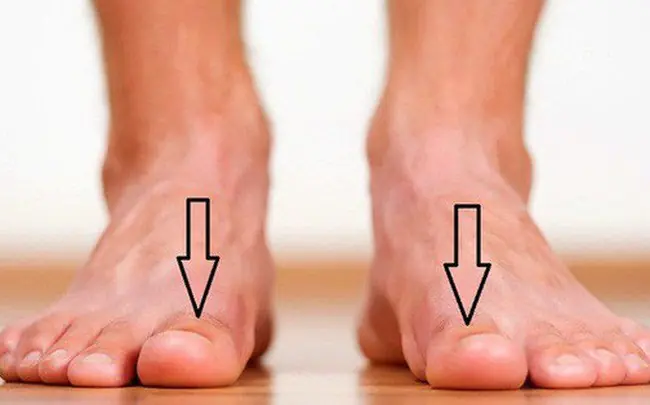
CHAPTER 2: SYMPTOMS 1 AND 2 — SWELLING AND PERSISTENT COLD FEET
1. Swollen Feet and Ankles That Keep Coming Back
Have you ever removed your shoes at the end of the day and noticed that your feet or ankles look noticeably larger than they did that morning?
Perhaps your socks have left deep marks around your ankles. Maybe your shoes feel tighter, or pressing a finger against the skin leaves a small indentation that takes several seconds to disappear.
This may be a sign of edema, which refers to the accumulation of excess fluid in body tissues.
Mild swelling can occur after standing or sitting for long periods, during hot weather, or after activities that keep the legs in a dependent position. In these situations, fluid can accumulate in the lower extremities because gravity makes it more difficult for blood and fluid to return toward the upper body.
However, persistent or unexplained swelling deserves attention.
One possible cause is chronic venous insufficiency. The veins in the legs contain valves that help direct blood back toward the heart. When these valves become damaged or do not function properly, blood can collect in the lower legs, increasing pressure inside the veins and allowing fluid to leak into surrounding tissues.
People with venous insufficiency may experience swelling around the ankles, aching, heaviness, visible varicose veins, or skin changes around the lower legs.
Heart conditions can also contribute to swelling. When the heart cannot pump blood effectively enough, fluid may accumulate in different parts of the body, including the feet and ankles.