9/10 People Store Onions Wrong — Here’s Why the Fridge Is Not the Best Place
Onions are a kitchen staple, but surprisingly, most people store them incorrectly—often putting them straight into the refrigerator.
It feels logical… but it’s actually one of the worst things you can do for whole onions.
Let’s break down why—and how to store them properly so they last longer and taste better.
Why You Shouldn’t Store Whole Onions in the Fridge

 4
The fridge creates a cold, humid environment—and that’s exactly what onions don’t like.
Here’s what happens:
1. They Absorb Moisture
Onions are naturally dry. When exposed to fridge humidity:
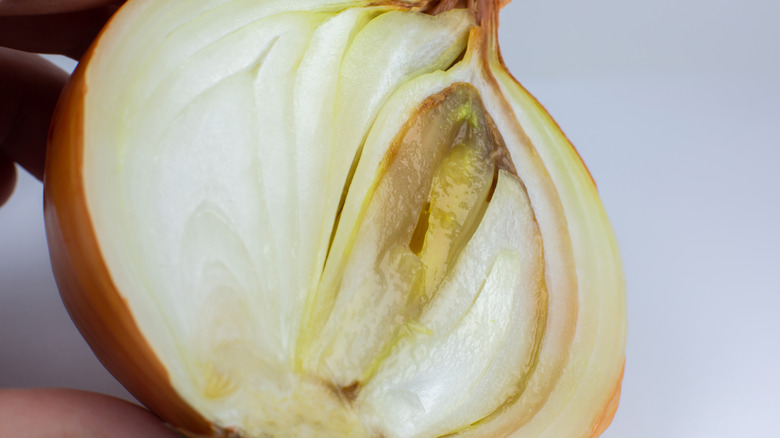
- They become soft and mushy
- Mold can develop faster
2. Starch Turns Into Sugar
Cold temperatures break down starches inside onions.
Result:
- Onions taste oddly sweet
- Texture becomes less firm
- Not ideal for cooking
3. They Spoil Faster (Not Slower)
Ironically, storing onions in the fridge can shorten their shelf life, especially if they’re whole and uncut.
So Where Should You Store Onions?


 4
The best environment for onions is:
- Cool (not cold)
- Dry
- Well-ventilated
- Dark place
Ideal spots:
- Pantry
- Kitchen cabinet (away from heat)
- Mesh bags or baskets
Big Mistake: Storing Onions with Potatoes

 4
A lot of people keep onions and potatoes together—but this speeds up spoilage.
Why?
- Potatoes release moisture and gases
- Onions absorb it → spoil faster
Keep them separate. Always.
When Is It OK to Put Onions in the Fridge?
There’s one exception:
Cut or Peeled Onions

 4
Once an onion is cut:
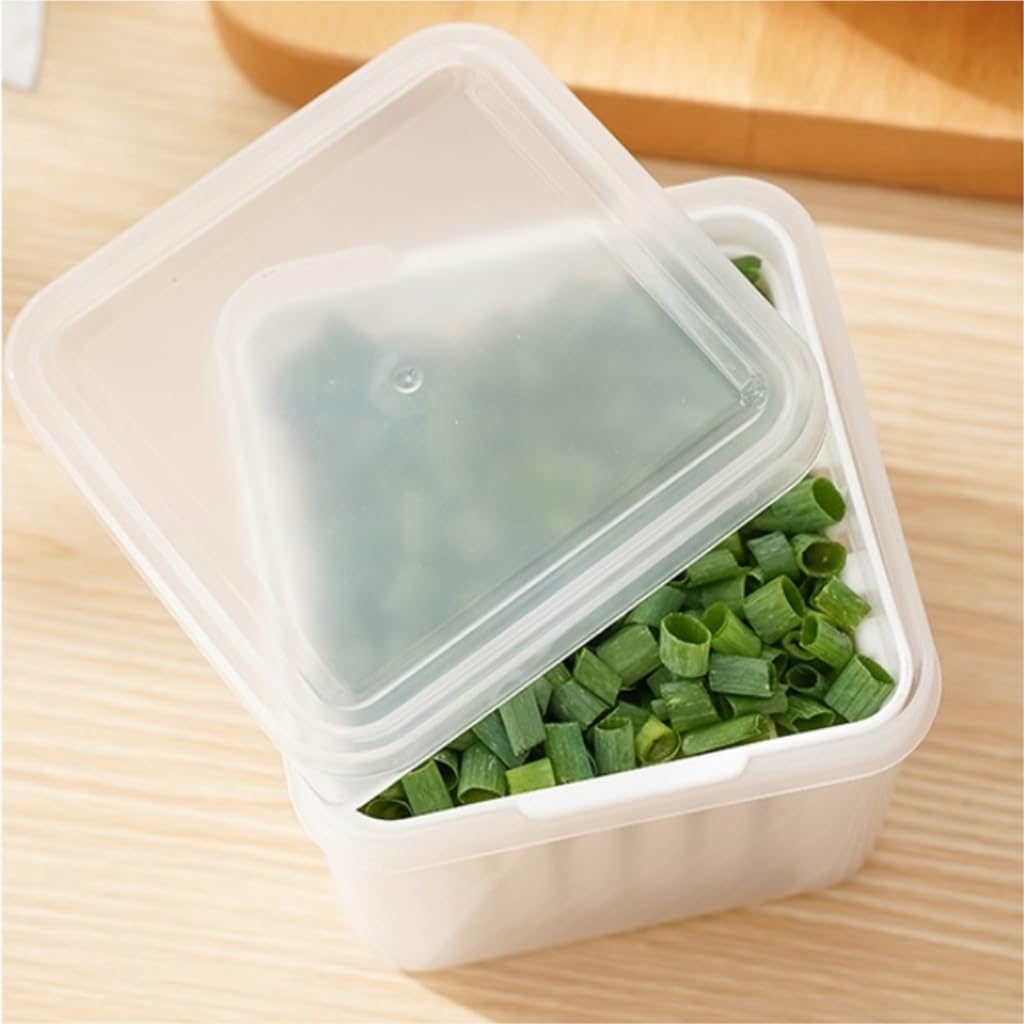
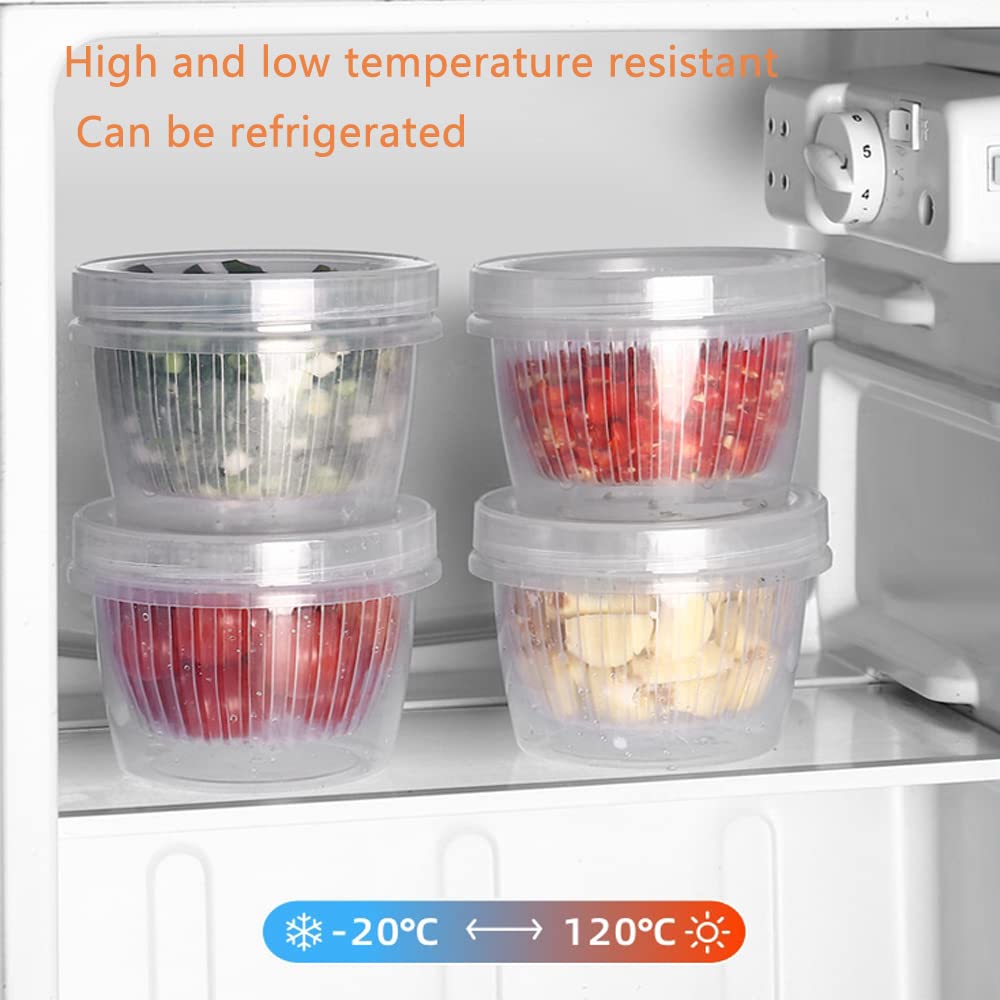
- It must be refrigerated
- Store in an airtight container
- Use within a few days
This prevents bacterial growth and odor spreading.
Final Thoughts
The fridge isn’t always your friend—especially for onions.
Whole onions need airflow, not moisture.
Cut onions need cold, not exposure.
Get this right, and you’ll:
- Keep onions fresh longer
- Avoid waste
- Improve flavor in your cooking