Noticing veins becoming more visible on the surface of your skin can feel surprising, even concerning. However, in many cases, prominent veins are completely normal and can be influenced by a range of factors - from body composition and physical activity to aging and environmental conditions.
Understanding why veins appear more noticeable can help you distinguish between harmless changes and signs that may require medical attention.
What Are Veins and Why Are They Visible?
Veins are blood vessels responsible for carrying deoxygenated blood back to the heart. Unlike arteries, veins are closer to the surface of the skin, which makes them more visible—especially under certain conditions.
The visibility of veins depends on several factors, including skin thickness, blood flow, and the amount of fat beneath the skin.

1. Low Body Fat Percentage
One of the most common reasons veins become more prominent is a reduction in body fat.
When there is less fat under the skin, veins have less tissue covering them, making them easier to see. This is why athletes and individuals with lean physiques often have highly visible veins, particularly in areas like the arms and legs.
2. Increased Physical Activity
Exercise can temporarily make veins more noticeable.
During physical activity, muscles require more oxygen, causing blood flow to increase. As a result:
- Veins expand to accommodate the increased blood volume
- Pressure within the veins rises
- Veins appear larger and more defined
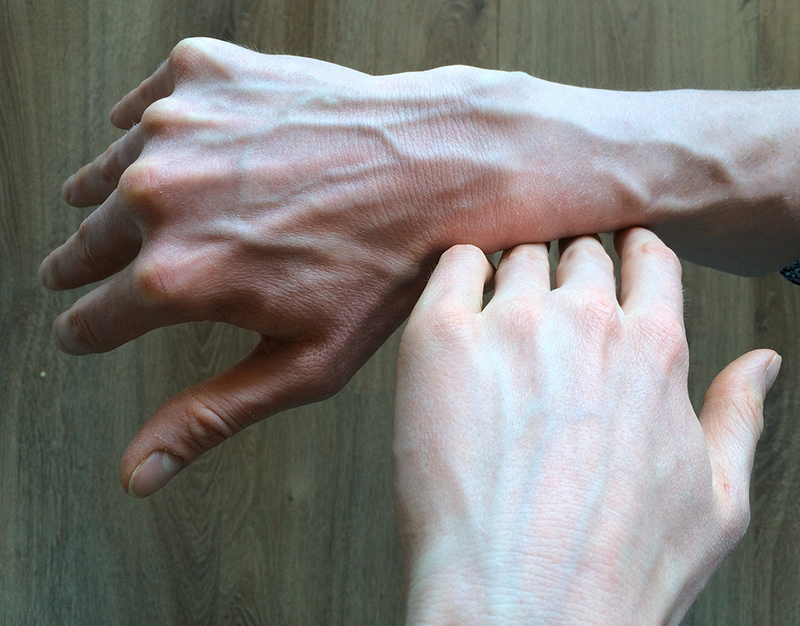
This effect is often referred to as “vascularity” and is especially common during strength training.
3. Aging and Skin Changes
As people age, their skin naturally becomes thinner and loses elasticity. This makes underlying structures, including veins, more visible.
In addition:
- Collagen production decreases
- Fat layers beneath the skin may thin
- Veins may become slightly enlarged over time
These changes are a normal part of the aging process.
4. Genetics
Genetics play a significant role in how visible your veins are.
Some individuals naturally have:
- Thinner skin
- Larger or more superficial veins
- Less subcutaneous fat
If prominent veins run in your family, it’s likely a normal inherited trait rather than a health concern.
5. Heat and Temperature Changes
Warm temperatures can cause veins to dilate.
When your body heats up:
- Blood vessels expand to release heat
- Veins become more noticeable on the skin
This is why veins may appear more prominent during hot weather, after a warm shower, or in a sauna.
6. Dehydration
Dehydration can also make veins stand out more.
When your body lacks sufficient fluids:
- Blood volume may decrease
- Veins can appear more pronounced due to reduced surrounding fluid
Staying hydrated helps maintain normal circulation and appearance.
7. Hormonal Changes
Hormonal fluctuations can affect blood vessel behavior and skin thickness.
For example:
- Pregnancy can increase blood volume and pressure on veins
- Hormonal shifts may influence circulation and fluid retention
These changes can temporarily make veins more visible.
8. Medical Conditions to Be Aware Of
While visible veins are usually harmless, in some cases they may be linked to underlying conditions such as:
- Varicose veins
- Chronic venous insufficiency
Warning signs include:
- Pain, heaviness, or swelling in the legs
- Veins that appear twisted or bulging
- Skin discoloration around the veins
If you experience these symptoms, it’s important to consult a healthcare professional.

When Should You Be Concerned?
You should seek medical advice if:
- Veins suddenly become very prominent without a clear reason
- You experience pain, swelling, or discomfort
- There are changes in skin color or texture
- You notice ulcers or sores near the veins
Early evaluation can help prevent complications.
Final Thoughts
Visible veins are often a natural result of factors like body composition, activity level, aging, and genetics. In most cases, they are not a cause for concern and may even be a sign of good circulation and physical fitness.
However, paying attention to accompanying symptoms is important. By understanding what’s normal and what’s not, you can better manage your health and seek help when necessary.
Your body constantly communicates through subtle changes - learning to interpret them is key to maintaining long-term well-being.