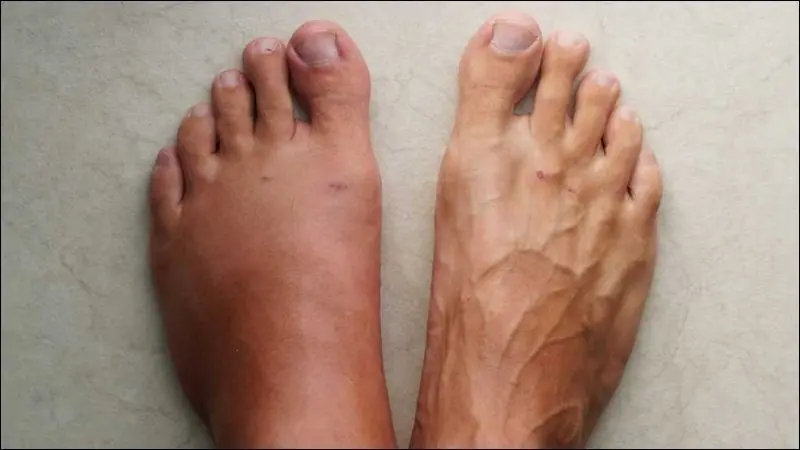
Water retention, also known as edema, occurs when excess fluid builds up in the body’s tissues. It often leads to swelling in areas such as the feet, ankles, hands, and face. While it is usually temporary and harmless, persistent water retention can be uncomfortable and may signal underlying health issues. Fortunately, there are simple lifestyle changes that can help reduce fluid buildup and improve overall well-being.
What Causes Water Retention?
Before addressing solutions, it’s important to understand the common causes of water retention.
These include:
- High salt intake
- Hormonal changes
- Prolonged sitting or standing
- Lack of physical activity
- Certain medications
In some cases, it may also be linked to medical conditions such as kidney or heart problems.
1. Reduce Sodium Intake
One of the main contributors to water retention is excess sodium (salt) in the diet.
When you consume too much salt:
- The body holds onto water to balance sodium levels
- Swelling and bloating increase
To reduce sodium intake:
- Limit processed and packaged foods
- Avoid adding extra salt to meals
- Choose fresh, whole ingredients whenever possible
This is one of the most effective ways to reduce fluid buildup.
2. Stay Properly Hydrated
It may seem counterintuitive, but drinking more water can actually help reduce water retention.
When the body is dehydrated:
- It tries to hold onto water as a defense mechanism
By staying hydrated:
- Excess fluid is flushed out more efficiently
- The body maintains better balance
Aim to drink enough water throughout the day, especially in hot weather or during physical activity.
3. Increase Physical Activity
Regular movement plays a key role in reducing fluid retention.
Exercise helps:
- Improve blood circulation
- Prevent fluid from pooling in the lower body
- Stimulate the lymphatic system
Simple activities such as walking, stretching, or light workouts can make a noticeable difference.
4. Eat Potassium-Rich Foods
Potassium helps balance sodium levels in the body and supports proper fluid regulation.
Foods rich in potassium include:
- Bananas
- Spinach
- Avocados
- Sweet potatoes
Including these foods in your diet can help reduce swelling and improve overall fluid balance.
5. Elevate Your Legs
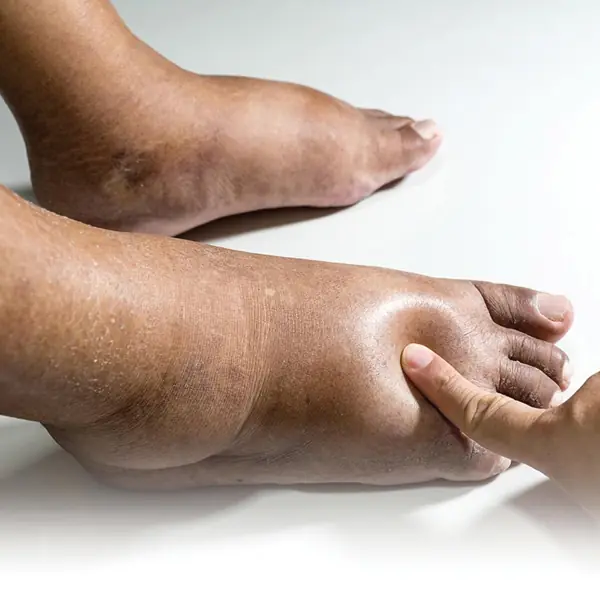
If you experience swelling in your feet or ankles, elevating your legs can help.
This allows:
- Fluid to move away from the lower extremities
- Improved circulation
Try lying down and raising your legs above heart level for 15–20 minutes a day.
6. Limit Alcohol and Caffeine
Both alcohol and excessive caffeine can contribute to dehydration and fluid imbalance.
They may:
- Disrupt the body’s natural fluid regulation
- Lead to increased water retention over time
Moderation is key to maintaining balance.
When to Be Concerned
While occasional water retention is common, you should seek medical advice if:
- Swelling is severe or persistent
- It occurs suddenly without clear cause
- It is accompanied by pain or other symptoms
These may indicate an underlying health condition that requires attention.
Simple Daily Habits That Help
In addition to the main methods above, small daily habits can also make a difference:
- Avoid sitting or standing for long periods
- Wear comfortable, non-restrictive clothing
- Maintain a balanced diet
- Get enough sleep
Consistency is essential for long-term improvement.
Conclusion
Water retention can be uncomfortable, but it is often manageable with simple lifestyle changes. By reducing sodium intake, staying hydrated, staying active, and making mindful dietary choices, you can help your body maintain proper fluid balance.
If symptoms persist, it is important to consult a healthcare professional. In most cases, however, small adjustments can lead to noticeable improvements—helping you feel lighter, more comfortable, and healthier overall.