One Month Before a Heart Attack: 7 Warning Signs Your Body May Send
A heart attack rarely comes out of nowhere. In many cases, the body begins sending subtle — and sometimes not-so-subtle — warning signals weeks in advance. The problem is, most people either overlook these signs or misinterpret them as something less serious.
Understanding these early symptoms could literally save a life.
Let’s break down the 7 key warning signs your body may show up to a month before a heart attack — and what they actually mean.
1. Swollen Feet and Ankles
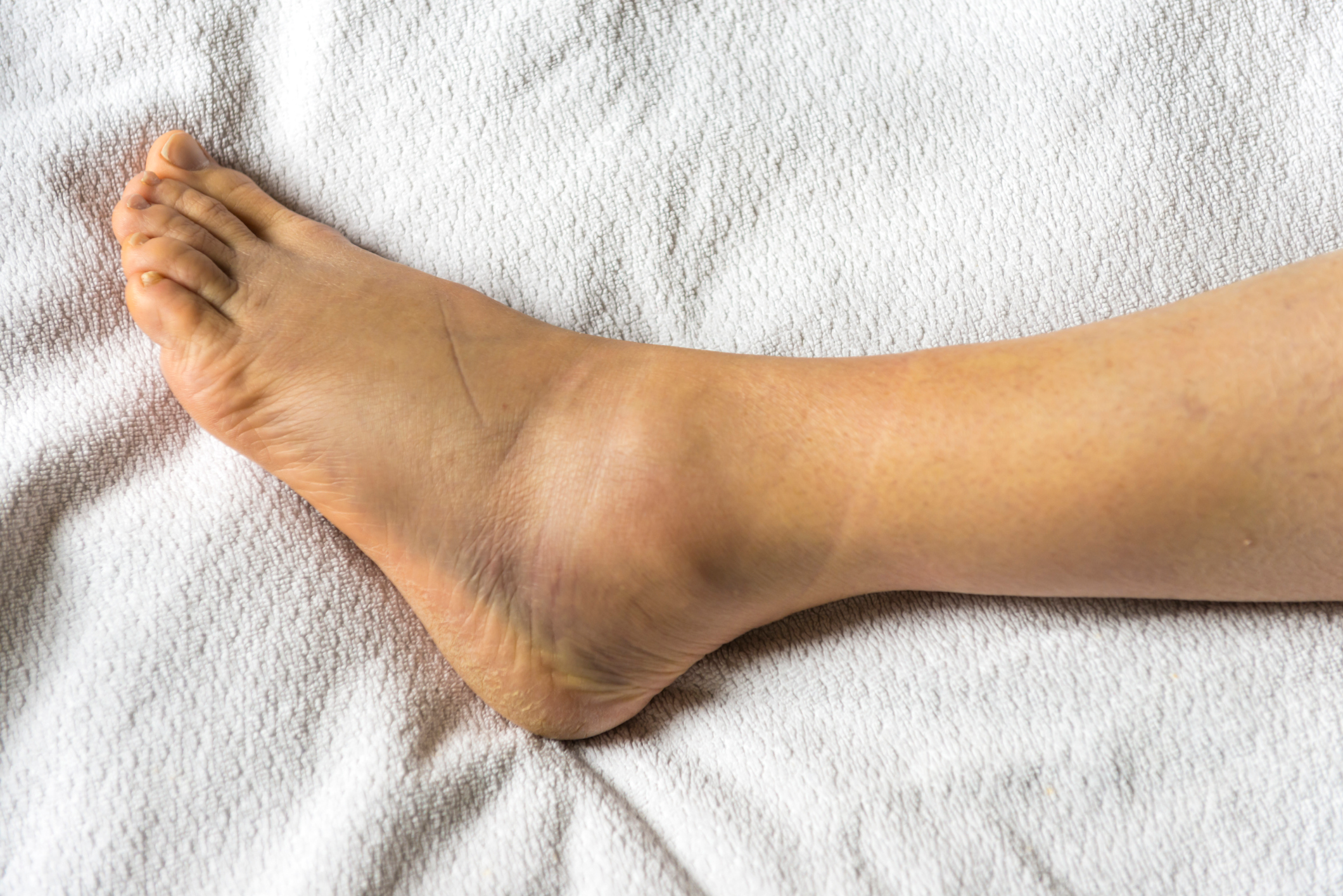
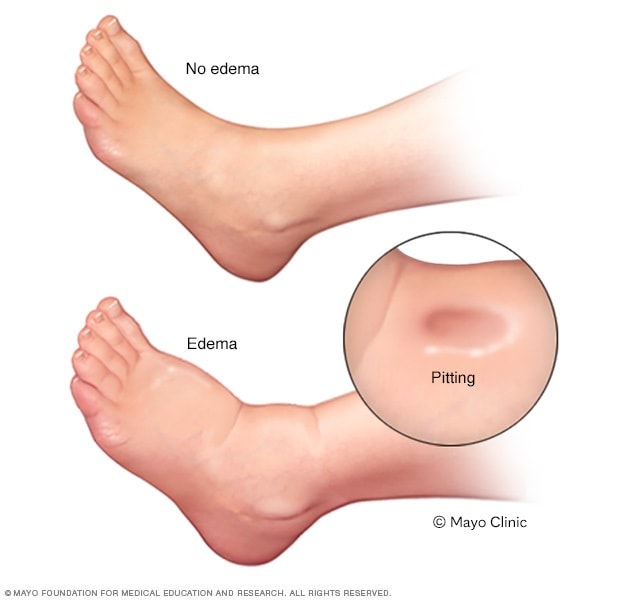
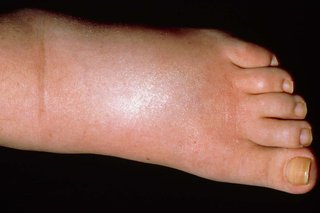
One of the most overlooked signs is swelling in the lower extremities.
When the heart struggles to pump blood efficiently, fluid can build up in the legs, feet, and ankles — a condition known as peripheral edema.
Why it matters:
- Indicates poor circulation
- Suggests the heart isn’t pumping effectively
- Often worsens throughout the day
If your shoes suddenly feel tighter or you notice visible swelling, don’t ignore it.
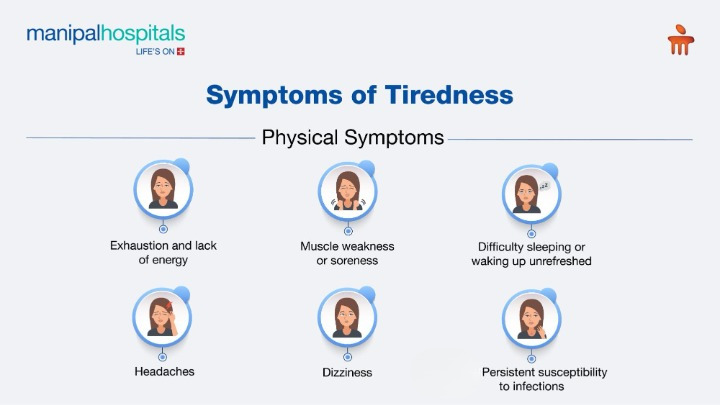
2. Persistent Fatigue


 4
4
This isn’t just “feeling tired.” It’s a deep, unusual exhaustion that doesn’t improve with rest.
Many people — especially women — report extreme fatigue weeks before a heart attack.
What’s happening:
- Reduced blood flow means less oxygen to muscles
- The body works harder to maintain normal function
If simple tasks suddenly feel overwhelming, your body might be signaling something serious.
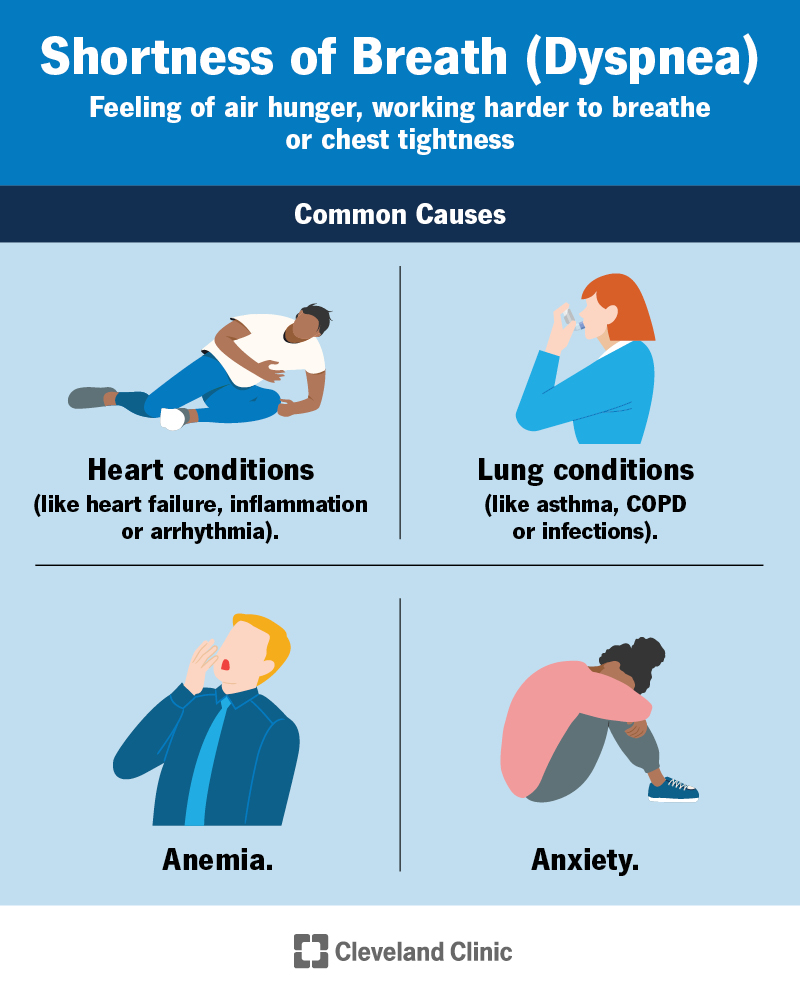
3. Shortness of Breath

 4
4
Feeling out of breath without exertion is a red flag.
This happens when the heart cannot pump efficiently, causing fluid to back up into the lungs.
Watch for:
- Difficulty breathing while lying down
- Sudden breathlessness during light activity
- A feeling of not getting enough air
This symptom often appears alongside fatigue.
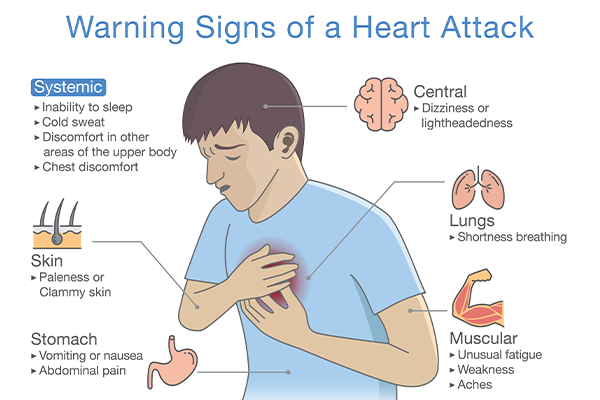
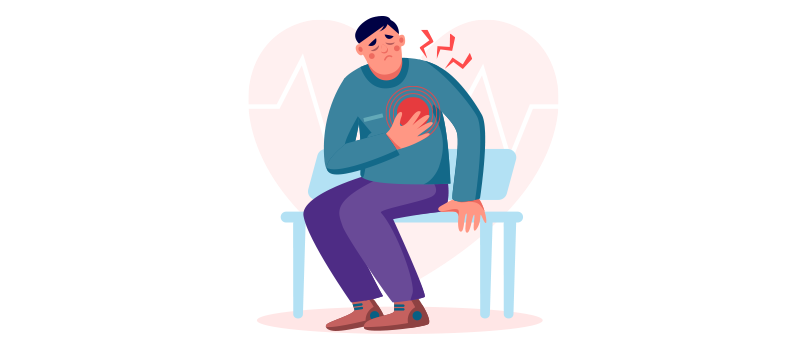
4. Chest Discomfort or Pressure
 4
4
Not all heart-related pain is sharp.
Many people describe it as:
- Pressure
- Tightness
- Burning sensation
This is often referred to as angina, caused by reduced blood flow to the heart.
Important: The discomfort may come and go, making it easy to dismiss.
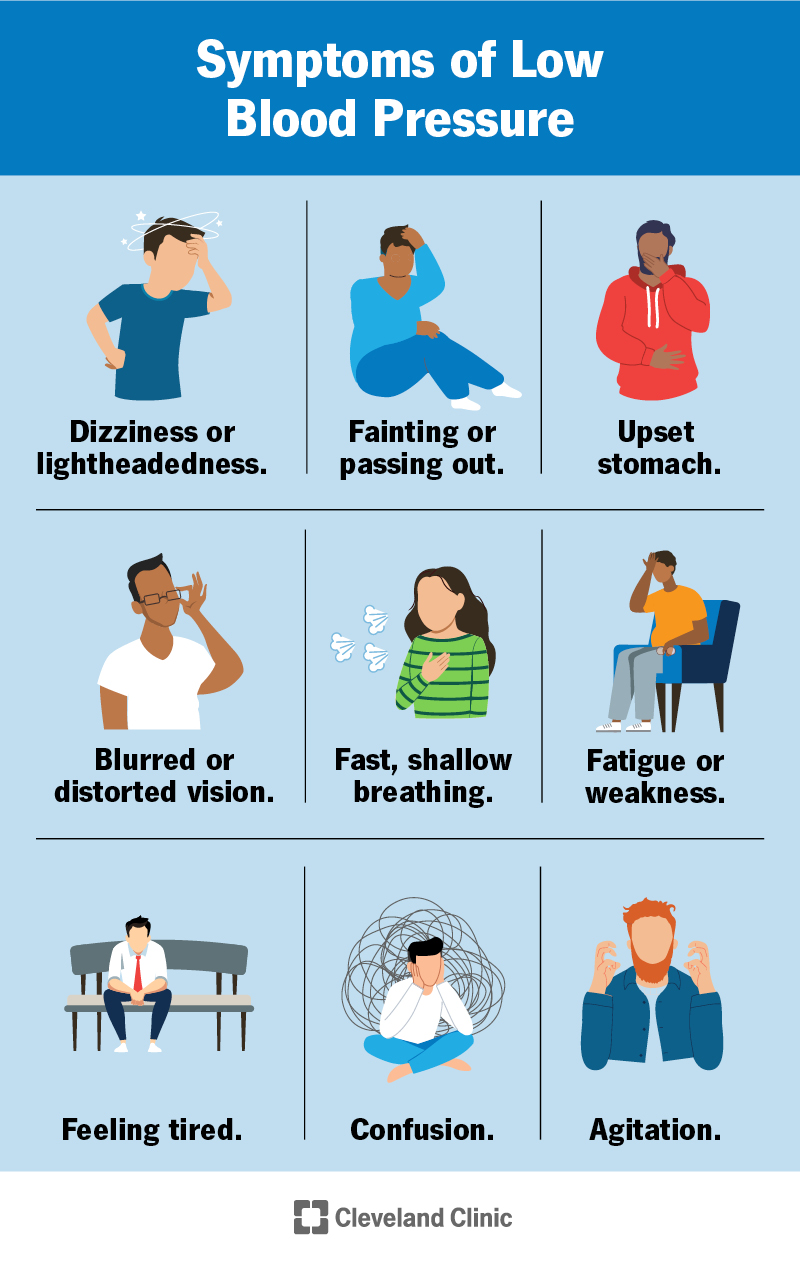
5. Dizziness or Lightheadedness

 4
4
Feeling dizzy or faint can be linked to reduced blood flow to the brain.
If your heart isn’t pumping properly, your brain doesn’t receive enough oxygen-rich blood.
Red flags include:
- Sudden dizziness
- Feeling like you might pass out
- Balance issues
This symptom becomes more concerning when combined with others.
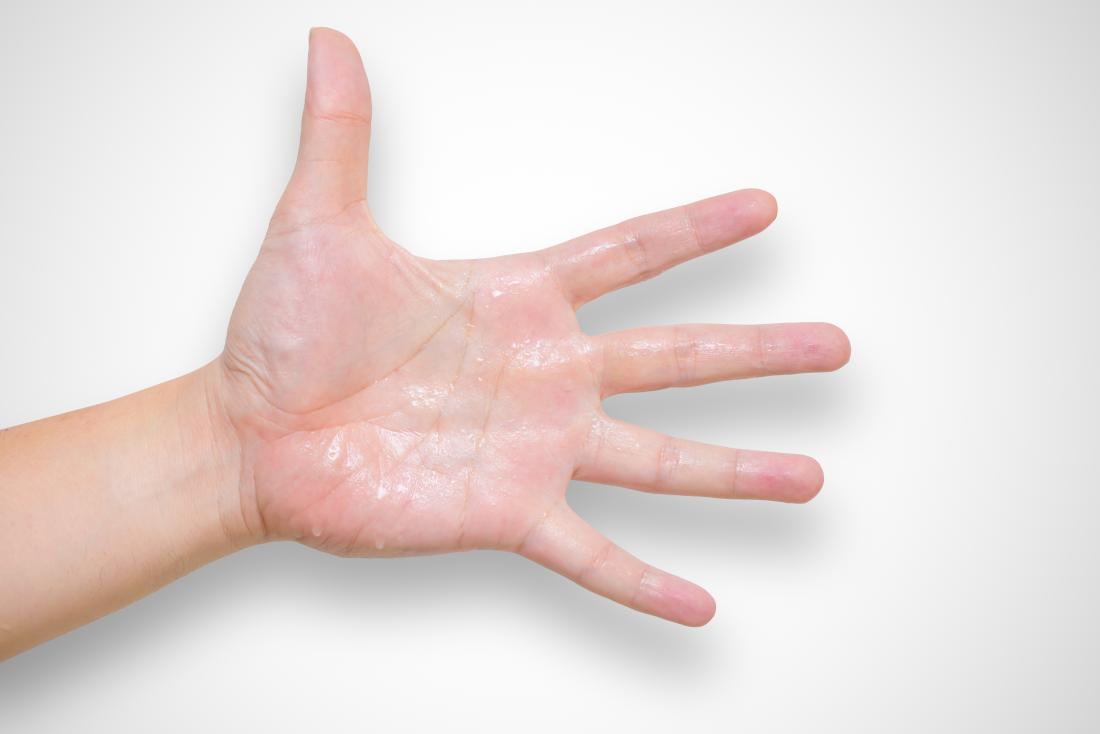
6. Cold Sweats

 4
4
Breaking out into a cold sweat without physical exertion is a serious warning sign.
It often feels like:
- Clammy skin
- Sudden sweating
- A sense of anxiety or doom
This is your body reacting to stress on the heart.
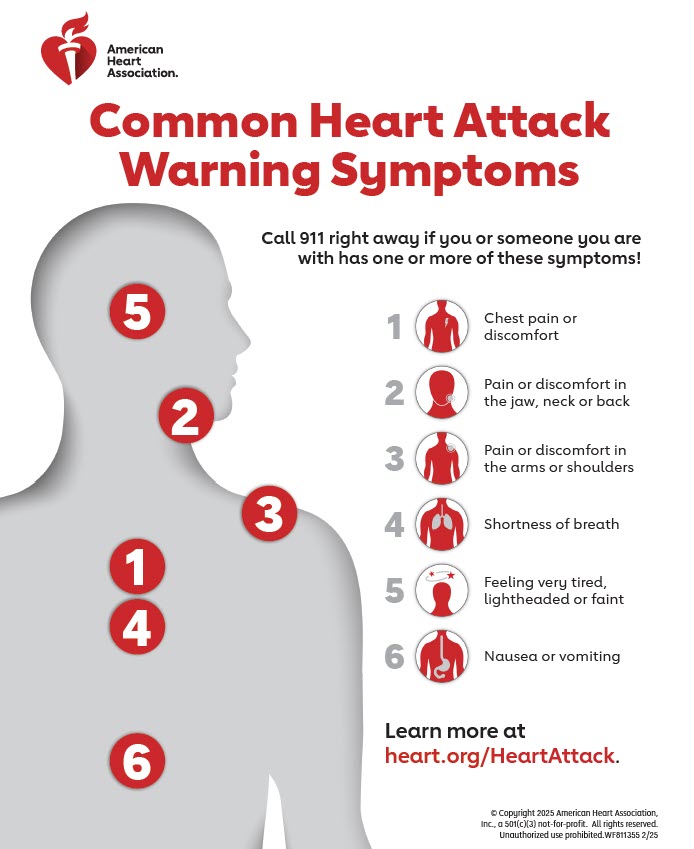
7. Pain in the Arm, Neck, or Jaw

 4
4
Heart-related pain doesn’t always stay in the chest.
It can radiate to:
- Left arm (most common)
- Neck
- Jaw
- Back
This is known as referred pain, and it’s a classic but often misunderstood symptom.
Final Thoughts
Heart attacks are often preceded by warning signs — but only if you know what to look for.
The key takeaway:
If multiple symptoms appear together or worsen over time, don’t wait.
Early detection and medical intervention can make the difference between life and death.
When to Seek Immediate Help
Call emergency services right away if you experience:
- Chest pressure lasting more than a few minutes
- Severe shortness of breath
- Fainting or loss of consciousness
- Pain spreading to the arm or jaw