High blood sugar, medically known as Hyperglycemia, is a condition that occurs when there is too much glucose circulating in the bloodstream. While it is commonly associated with Type 2 Diabetes, it can also develop gradually in individuals who are unaware of their condition.
Recognizing the early signs of high blood sugar is critical. When left untreated, it can lead to serious complications affecting the heart, kidneys, eyes, and nervous system. The good news is that your body often sends warning signals early on—you just need to know what to look for.
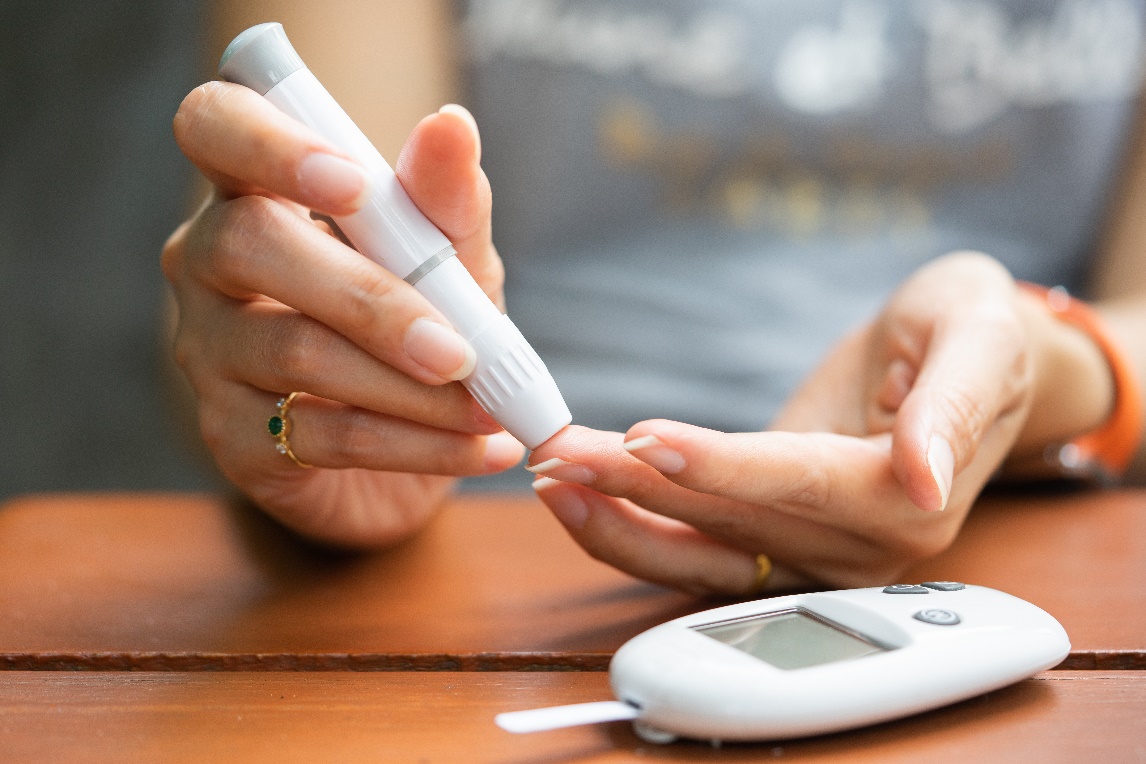
1. Frequent Urination (Polyuria)
One of the earliest and most noticeable signs of high blood sugar is the need to urinate more often than usual, especially at night.
When excess glucose builds up in the blood, the kidneys work harder to filter and remove it through urine. This leads to increased fluid loss, causing frequent trips to the bathroom.
If this symptom persists, it may indicate that your body is struggling to regulate blood sugar effectively.
2. Excessive Thirst (Polydipsia)
As your body loses more fluids through frequent urination, it tries to compensate by triggering intense thirst.
You may find yourself drinking more water than usual but still feeling dehydrated. This constant cycle of thirst and urination is a classic early sign of elevated blood sugar levels.
3. Unexplained Fatigue
Feeling unusually tired, even after adequate rest, can be another warning sign.
Glucose is the body’s main source of energy. However, when blood sugar is too high, it cannot be properly absorbed into cells due to insulin dysfunction. As a result, your body lacks usable energy, leading to persistent fatigue.
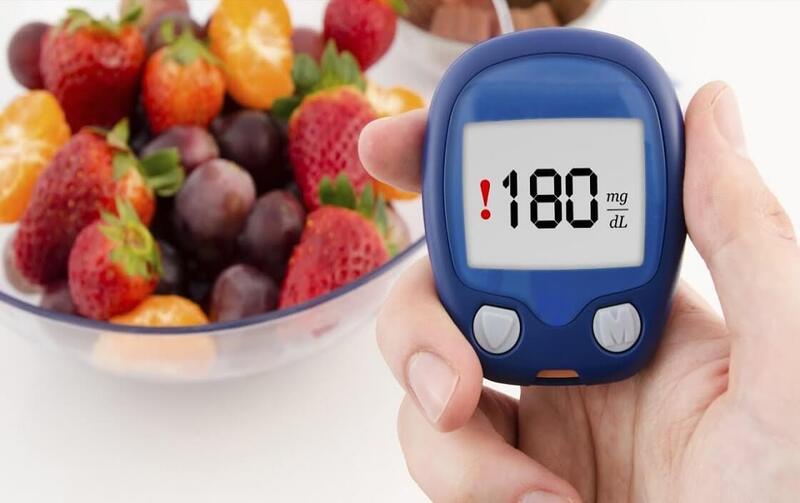
4. Blurred Vision
High blood sugar can affect the eyes by causing fluid shifts that alter the shape of the lens. This results in temporary blurred vision.
Although it may seem minor at first, prolonged high blood sugar can lead to more serious eye conditions, including Diabetic retinopathy.
If you notice changes in your vision, it’s important to take it seriously.
5. Increased Hunger (Polyphagia)
Despite eating regularly, you may feel constantly hungry.
This happens because your body is unable to use glucose effectively for energy. As a result, it signals hunger in an attempt to obtain more fuel, even though blood sugar levels are already high.
6. Slow Healing Wounds
Cuts, bruises, or infections that take longer than usual to heal can be a sign of high blood sugar.
Elevated glucose levels can impair circulation and weaken the immune response, making it harder for the body to repair damaged tissues.
Over time, this can increase the risk of infections and complications.
7. Tingling or Numbness in Hands and Feet
Nerve damage caused by prolonged high blood sugar—known as Diabetic neuropathy—can begin subtly.
You may experience tingling, numbness, or a burning sensation in your hands or feet. While this symptom often appears later, it can sometimes begin in the early stages and should not be ignored.
Why Early Detection Matters
Ignoring these early warning signs can allow high blood sugar to progress silently. Over time, it may lead to serious complications such as:
- Heart disease
- Kidney damage
- Vision loss
- Nerve damage
Early detection allows for timely lifestyle changes and medical intervention, which can significantly reduce long-term risks.
What You Can Do
If you notice any of these symptoms, consider taking proactive steps:
- Monitor your blood sugar levels
- Adopt a balanced diet low in refined sugars
- Exercise regularly
- Stay hydrated
- Consult a healthcare professional for proper evaluation
Small, consistent changes can make a big difference in managing blood sugar levels effectively.

Final Thoughts
Your body often gives subtle signals before a serious condition develops. Recognizing the early indicators of high blood sugar can help you take control of your health before complications arise.
By staying informed and attentive to these seven key signs, you can protect your well-being and maintain a healthier, more balanced life.