Groin pain is a common yet often misunderstood symptom that can range from mild discomfort to severe, debilitating pain. Located at the junction where the abdomen meets the inner thigh, the groin is a complex area containing muscles, ligaments, nerves, blood vessels, and parts of the reproductive and urinary systems. Because of this complexity, pain in the groin can arise from a variety of underlying conditions—some harmless, others requiring urgent medical attention.
Understanding the potential causes of groin pain is essential for early detection, proper treatment, and long-term health.
Understanding the Groin Region
The groin area includes:
- Muscles and tendons (especially hip flexors and adductors)
- Inguinal canal (where hernias can occur)
- Lymph nodes
- Parts of the urinary and reproductive systems
Because multiple systems overlap in this region, identifying the exact cause of pain often requires careful evaluation.
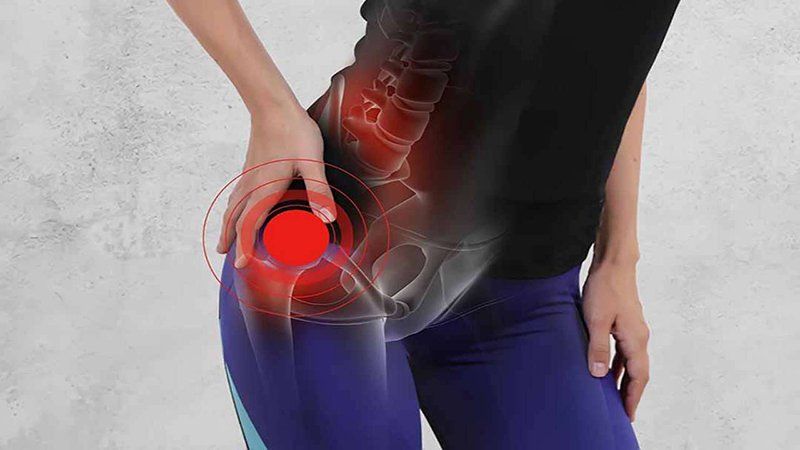
Muscle Strain and Sports Injuries
One of the most common causes of groin pain is a muscle strain, particularly in physically active individuals.
Key features:
- Sudden pain during movement
- Swelling or bruising
- Pain worsens with activity
Activities like running, jumping, or sudden directional changes can overstretch or tear muscles in the groin area.
Inguinal Hernia
An Inguinal hernia occurs when tissue—often part of the intestine—pushes through a weak spot in the abdominal wall.
Symptoms include:
- A visible or palpable bulge in the groin
- Pain when lifting, coughing, or bending
- A feeling of heaviness or pressure
Hernias may worsen over time and often require surgical treatment.
Kidney Stones
Kidney stones can cause intense pain that begins in the lower back and radiates toward the groin.
Common signs:
- Sharp, cramping pain
- Pain that comes in waves
- Blood in urine
- Nausea or vomiting
This type of pain is often severe and requires prompt medical care.
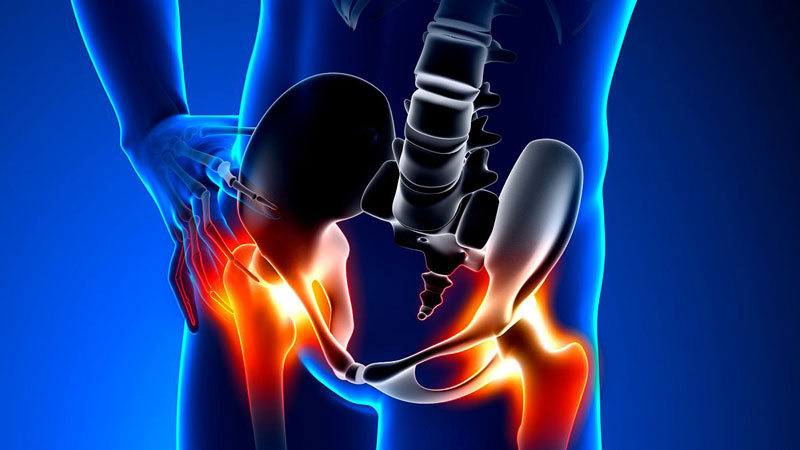
Hip Joint Problems
Conditions affecting the hip joint, such as arthritis or structural injuries, can also manifest as groin pain.
Possible conditions:
- Osteoarthritis
- Labral tears
- Hip impingement
Pain is often felt during walking, standing, or rotating the hip.
Reproductive System Conditions
Groin pain may originate from reproductive organs in both men and women.
In men:
- Testicular torsion (a medical emergency)
- Epididymitis (inflammation of the testicle)
In women:
- Ovarian cysts
- Pelvic inflammatory disease
- Endometriosis
These conditions often come with additional symptoms such as swelling, fever, or abnormal discharge.
Lymph Node Swelling and Infections
Swollen lymph nodes in the groin may indicate infection or inflammation.
Possible causes:
- Bacterial or viral infections
- Skin infections in the lower body
- Sexually transmitted infections
Pain is usually accompanied by tenderness and swelling in the area.
Nerve Compression and Other Causes
Nerve-related issues can also lead to chronic groin pain.
Examples include:
- Nerve compression or irritation
- Referred pain from the lower back or spine
- Chronic pain syndromes
These types of pain may feel sharp, burning, or tingling.
When Should You Seek Medical Attention?
Groin pain should not be ignored, especially if it is severe or persistent.
Seek medical care if you experience:
- Sudden, intense pain
- A noticeable lump or swelling
- Fever or nausea
- Pain that does not improve with rest
- Difficulty urinating or abnormal discharge
Early diagnosis can prevent complications and lead to more effective treatment.

Final Thoughts
Groin pain is not a condition in itself but a symptom that can point to a wide range of underlying issues - from simple muscle strain to serious medical emergencies. Because of the number of structures involved in the groin area, identifying the exact cause requires attention to accompanying symptoms and, in many cases, professional evaluation.
Listening to your body and addressing discomfort early can make a significant difference in maintaining your overall health. Whether the cause is minor or more serious, understanding the potential reasons behind groin pain is the first step toward effective treatment and recovery.