Food safety is a critical part of maintaining overall health, yet many people underestimate the risks posed by parasites in everyday foods. Parasites are organisms that live in or on a host, feeding off it and potentially causing harm. When contaminated food is consumed, these organisms can enter the human body and lead to infections ranging from mild digestive discomfort to more serious health complications.
Understanding which foods are more likely to carry parasites and how to handle them safely - can significantly reduce your risk of infection.
What Are Foodborne Parasites?
Foodborne parasites are organisms that can be transmitted through contaminated food or water. Common infections include Giardiasis, Toxoplasmosis, and Taeniasis.
Symptoms may include:
- Abdominal pain
- Diarrhea
- Nausea and vomiting
- Fatigue
- Nutritional deficiencies
In some cases, especially in vulnerable individuals, these infections can become severe if not treated promptly.
1. Raw or Undercooked Meat
Raw or undercooked meat—particularly pork, beef, and lamb—is one of the most common sources of parasites.
Potential risks:
- Tapeworm infections from contaminated meat
- Parasitic larvae that survive inadequate cooking
Safety tips:
- Cook meat thoroughly to recommended temperatures
- Avoid consuming raw or rare meat unless it has been safely processed

2. Raw Fish and Seafood
Consuming raw or lightly cooked seafood can expose you to parasites if proper handling procedures are not followed.
Common concern:
- Anisakiasis, caused by parasitic worms found in certain fish
Safety tips:
- Choose reputable sources when eating raw seafood
- Ensure fish has been frozen according to safety standards

3. Unwashed Fruits and Vegetables
Fresh produce can become contaminated through soil, irrigation water, or handling during transport and sale.
Risks include:
- Parasite eggs or larvae attached to surfaces
Safety tips:
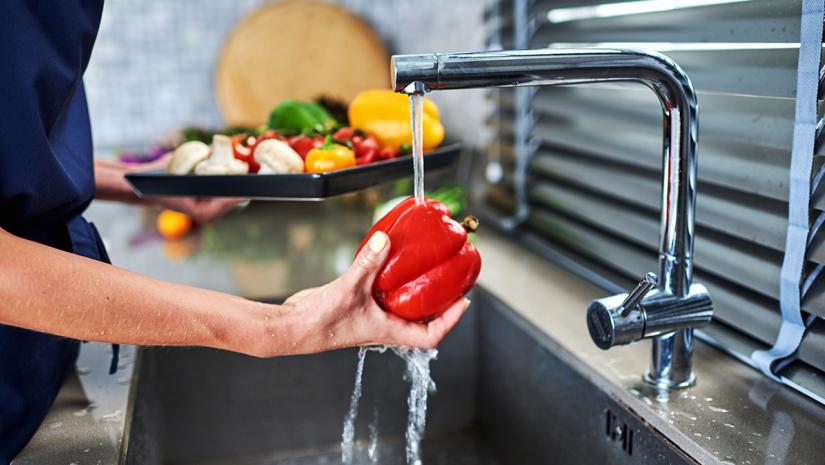
- Wash fruits and vegetables thoroughly under running water
- Peel when appropriate
- Avoid cross-contamination with raw meat
4. Contaminated Water and Ice
Water is one of the most common ways parasites spread, especially in areas with poor sanitation.
Common issue:
- Giardiasis from unsafe drinking water
Safety tips:
- Drink filtered, bottled, or boiled water
- Be cautious with ice in places where water quality is uncertain

5. Unpasteurized Dairy Products
Milk and dairy products that have not been pasteurized may contain harmful microorganisms, including parasites.
Risks include:
- Infection from contaminated raw milk
Safety tips:
- Choose pasteurized dairy products
- Store dairy properly and consume before expiration
6. Undercooked Eggs
Eggs are nutritious but can pose risks if consumed raw or undercooked.
Concerns:
- Exposure to harmful organisms due to improper handling
Safety tips:
- Cook eggs until both the yolk and white are firm
- Avoid raw egg dishes unless using pasteurized eggs
Why Food Safety Matters
Parasite infections can develop quietly and worsen over time. Practicing proper food hygiene is one of the most effective ways to protect your health.
Key habits include:
- Washing hands before and after handling food
- Keeping kitchen surfaces clean
- Storing food at safe temperatures
- Avoiding cross-contamination between raw and cooked foods
Final Thoughts
While the risk of parasite contamination may sound concerning, it can be effectively managed with simple precautions. Being aware of high-risk foods allows you to make informed choices without unnecessary fear.
By adopting safe food handling practices and maintaining good hygiene, you can enjoy your meals with confidence while protecting your health from hidden risks.