Doctors Reveal What Happens When You Eat Cucumber in Salads: The Surprising Benefits of This Everyday Vegetable
That crisp cucumber in your salad may be doing more than adding freshness—it can support hydration, digestion, and a balanced diet.
A bowl of salad often looks simple: a handful of leafy greens, a few slices of tomato, perhaps some carrots, and several pieces of cool, crunchy cucumber. It is an everyday combination found in homes and restaurants around the world. Yet one of its most familiar ingredients is also one of the easiest to underestimate.
Cucumber rarely receives the same attention as brightly colored berries, leafy greens, or vegetables often described as nutritional powerhouses. It has a mild flavor, contains very few calories, and is made mostly of water. For that reason, some people assume it contributes little beyond texture and a refreshing taste.
But that assumption misses an important part of the story.
Cucumbers can make a useful contribution to everyday nutrition. Their high water content helps add fluids to meals, their skin provides dietary fiber, and they contain small amounts of vitamins, minerals, and naturally occurring plant compounds. When included in a balanced salad, they can help create a meal that is refreshing, satisfying, and rich in a variety of nutrients.
The benefits are not magical, and cucumber is not a treatment for disease. Eating it will not automatically remove toxins, melt body fat, or prevent every health problem. Its value is more practical: it is an accessible, low-calorie vegetable that can help people build healthier eating habits without making meals complicated or expensive.
So what actually happens when you eat cucumber regularly? Why do nutrition professionals often recommend water-rich vegetables? Can cucumber really help digestion? Does eating it with the skin make a difference? And is there anything people should know before adding it to salads every day?
The answers begin with the vegetable's most remarkable feature: the large amount of water contained in every bite. But hydration is only the beginning. Its contribution to fiber intake, meal satisfaction, and overall dietary variety is equally worth understanding.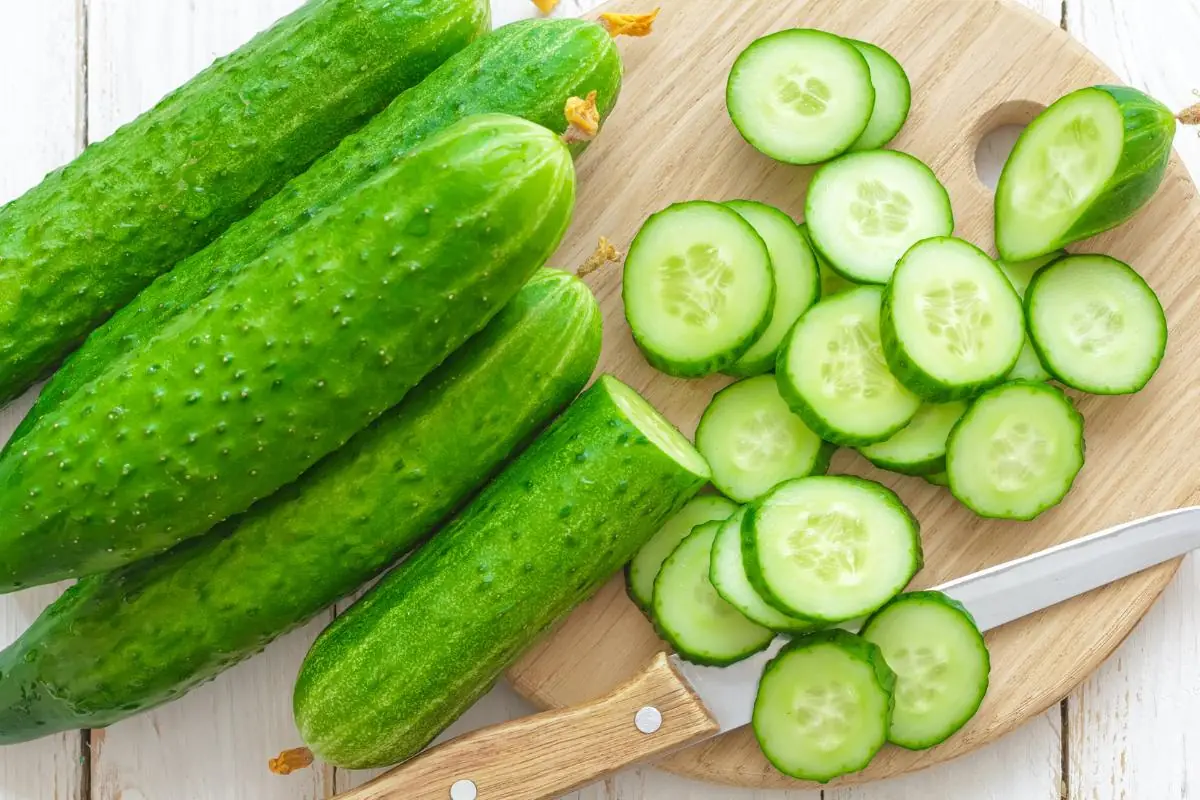
1. Exceptional Hydration Support: Why Cucumbers Are Almost 95 Percent Water
One of the most recognizable characteristics of cucumber is its exceptionally high water content. Depending on the variety and growing conditions, fresh cucumber is generally composed of approximately 95 percent water.
This makes it a refreshing ingredient, particularly in warm weather. When you bite into a slice of cucumber, much of what you are eating is water held within the vegetable's crisp structure.
Although drinking plain water remains an important way to meet daily fluid needs, food also contributes to hydration. Fruits and vegetables with high water content can provide additional fluid as part of ordinary meals. Cucumbers are especially convenient because they can be eaten raw, require little preparation, and fit into many different dishes.
Hydration is essential for the body to function normally. Water helps regulate body temperature, transport nutrients, support circulation, and maintain the balance of fluids inside and outside cells. It also contributes to normal digestion and helps the kidneys remove waste products through urine.
When the body loses more fluid than it takes in, dehydration can develop. Mild dehydration may be associated with thirst, a dry mouth, headache, tiredness, and reduced concentration. More significant dehydration can become dangerous and may require medical attention.
Cucumber can help contribute to daily fluid intake, but it should not be considered a replacement for drinking water. Its high water content makes it a helpful addition to meals rather than a complete hydration strategy.
This is particularly useful for people who find plain water unappealing. Some individuals naturally drink less when they are busy, working outdoors, or spending long periods in warm environments. Including cucumber in lunch or dinner adds moisture and freshness without requiring a complicated recipe.
A simple salad containing cucumber, tomatoes, leafy greens, and other vegetables can provide both fluid and a range of nutrients. The combination may be especially appealing during hot weather, when heavy meals are less attractive.
However, hydration needs vary. A person's age, body size, activity level, climate, health conditions, and medications can all affect how much fluid they need. People who exercise heavily or work in hot conditions may need additional fluids and electrolytes, not just water-rich vegetables.
The important lesson is that cucumber supports hydration as part of an overall eating and drinking pattern. Its high water content is one reason it deserves a regular place on the plate, but it is not a substitute for adequate fluid intake throughout the day.
2. Promoting Healthy Digestion Through Water and Dietary Fiber
Another reason cucumber is a useful salad ingredient is its contribution to digestive health.
A healthy digestive system depends on several factors, including adequate fluid intake, dietary fiber, regular physical activity, and a varied diet. Cucumbers contribute to two of these areas: they contain water and provide a modest amount of dietary fiber.
Fiber is the part of plant foods that the body does not fully digest. Different types of fiber perform different functions, but many help support normal bowel movements and the movement of material through the digestive tract.
The skin of a cucumber contains a portion of its fiber, which is one reason eating the vegetable unpeeled, when properly washed and suitable for consumption, can be beneficial.
Water also matters. It helps keep stool softer, making it easier to pass. When people consume too little fluid or have a diet low in fiber, constipation may become more likely.
Cucumber is not exceptionally high in fiber compared with beans, lentils, whole grains, or some fruits. Nevertheless, it can contribute to the total amount of fiber consumed throughout the day.
Its value becomes more noticeable when it is combined with other ingredients. A salad containing cucumber, carrots, cabbage, leafy greens, beans, and seeds can provide a wider range of fibers than cucumber alone.
This variety matters because different plant foods contain different combinations of fibers and other compounds. Eating a broad range of vegetables, fruits, legumes, and whole grains is generally more useful for digestive health than relying on one particular food.
Why Eating the Skin Can Matter
Some people peel cucumbers automatically, perhaps because they prefer a softer texture or dislike the slightly firmer outer layer. Others enjoy the skin because it gives each slice a little more crunch.
From a nutritional perspective, the skin can contribute fiber and plant compounds. Removing it may reduce some of the vegetable's fiber content, although the exact difference depends on the cucumber and how it is prepared.
There is no universal requirement to eat every cucumber with its skin. People may peel it if the texture is unpleasant, if the skin is damaged, or if they have a specific dietary reason to do so.