Cucumber can be part of that pattern. Its mild flavor and versatility make it an easy way to add another plant food to meals.
5. Supporting Heart Health as Part of a Balanced Eating Pattern
Heart health is influenced by many factors, including blood pressure, blood cholesterol, blood sugar, smoking, physical activity, sleep, genetics, and dietary habits.
No single vegetable can guarantee protection against cardiovascular disease. Nevertheless, regularly eating a variety of vegetables is a well-established part of many healthy dietary patterns.
Cucumber can contribute in several modest ways.
First, it is naturally low in calories and contains very little fat. This makes it easy to include in meals that emphasize vegetables and other minimally processed ingredients.
Second, cucumber provides water and small amounts of potassium. Potassium is important for normal muscle and nerve function and plays a role in maintaining fluid balance. Adequate potassium intake is also associated with healthy blood pressure regulation, although the effect of one cucumber serving is limited.
Third, cucumber can help replace less nutritious ingredients in certain meals. For example, adding fresh cucumber to a sandwich or salad may make it easier to reduce the amount of heavily processed, salty toppings.
That does not mean every cucumber salad is automatically heart-healthy. A salad covered in a large amount of creamy dressing, salty processed meat, or excessive cheese may contain far more sodium and energy than expected.
Preparation matters.
A simple salad made with cucumber, tomatoes, leafy greens, beans, herbs, and a modest amount of olive oil can fit comfortably into a heart-conscious eating pattern.
The Importance of Sodium
Fresh cucumber contains relatively little sodium. This can make it a useful ingredient in meals where people are trying to keep salt intake moderate.
However, pickled cucumbers are different.
Pickling often involves salt, and some commercially prepared products can contain considerable sodium. People who need to monitor their sodium intake should read product labels and consider fresh cucumber more often.
Salad dressings can also contribute significant amounts of salt. A homemade dressing using lemon juice, vinegar, herbs, and a moderate amount of oil can offer more control over the ingredients.
The wider lesson is that the health value of a meal depends on the complete combination of foods, not just the presence of cucumber.
6. What Cucumber May Mean for Skin Appearance
Cucumber has a long association with skin care. Images of cucumber slices placed over closed eyes are common in beauty treatments, advertisements, and home-spa routines.
This association is partly understandable. Cucumber contains a large amount of water, and its cool surface can feel refreshing when placed briefly against the skin.
But eating cucumber and applying it to the face are two different things, and the evidence should not be confused.
When eaten, cucumber contributes water and small amounts of nutrients to the diet. Adequate hydration is important for normal body function, and a balanced diet supplies vitamins and minerals needed for healthy skin.
However, eating cucumber alone will not erase wrinkles, remove dark circles, or reverse skin aging.
Skin appearance is influenced by many factors, including age, genetics, sun exposure, smoking, sleep, hydration, skincare habits, and overall health.
Does Cucumber Help the Skin Stay Hydrated?
The body needs adequate fluid to maintain normal physiological functions, and severe dehydration can affect the appearance and condition of the skin. Eating water-rich foods can contribute to fluid intake.
Still, there is no strong reason to believe that cucumber has a unique ability to hydrate facial skin from the inside beyond its contribution to overall fluid intake.
Drinking enough water and eating a varied diet are more sensible long-term habits than relying on a particular vegetable for cosmetic results.
What About Cucumber Slices Over the Eyes?
Cool cucumber slices may temporarily feel soothing when placed over closed eyes. Their cool temperature can provide a refreshing sensation, and resting quietly may also help someone feel more relaxed.
But this should not be confused with a proven treatment for persistent puffiness, dark circles, or eye disease.
People should avoid placing food directly into the eyes or using cucumber slices that have not been washed properly. Anyone experiencing ongoing swelling, irritation, pain, or changes in vision should seek appropriate medical advice rather than relying on a home remedy.
The practical conclusion is simple: cucumber can be part of a nutritious diet that supports general health, but dramatic beauty claims are not supported by strong clinical evidence.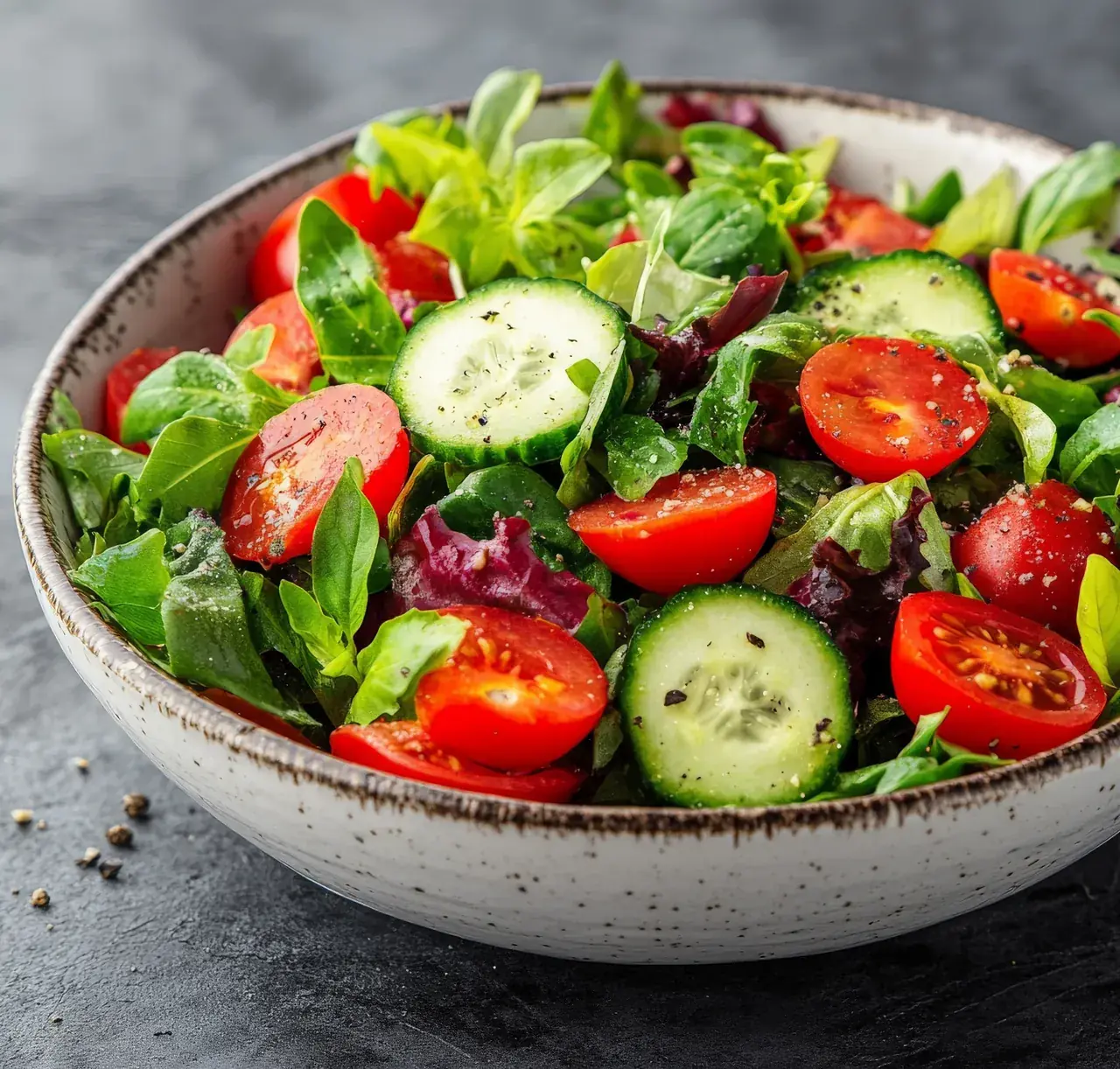
7. Why Eating Cucumbers With Other Vegetables Can Be More Beneficial
Cucumber is a useful ingredient on its own, but its greatest value often comes from the way it fits into a varied meal.
Different vegetables contain different combinations of vitamins, minerals, fiber, and plant compounds. Eating a range of colors and textures helps broaden the nutrients available in the diet.
For example, tomatoes provide vitamin C and the plant pigment lycopene. Carrots contain beta-carotene, which the body can convert into vitamin A. Leafy greens may supply folate, vitamin K, and other nutrients. Red cabbage contains anthocyanins and fiber.
Cucumber adds water, crunch, and mild flavor to this combination.
A salad that includes several vegetables is therefore more nutritionally varied than one made entirely from cucumber.
A Simple Balanced Cucumber Salad
A practical everyday salad can include:
-
Fresh cucumber, sliced or diced.
-
Tomatoes, cut into bite-sized pieces.
-
Leafy greens such as lettuce or spinach.
-
Grated carrot or shredded cabbage.
-
A source of protein, such as chickpeas, beans, tofu, eggs, or grilled chicken.
-
A small amount of olive oil, lemon juice, or vinegar.
-
Fresh herbs and seasoning to taste.
This combination provides more than hydration. It can supply fiber, protein, vitamins, minerals, and healthy fats, depending on the ingredients and portion sizes.
Adding protein is especially useful when the salad is intended to be a main meal rather than a side dish. Without a protein source, a vegetable-only salad may not provide enough energy or lasting satisfaction for some people.
Why Color Variety Matters
A colorful plate is not automatically healthy, but different colors often reflect different naturally occurring plant pigments and compounds.
Green cucumber, red tomato, orange carrot, purple cabbage, and dark leafy greens bring different nutritional characteristics to the meal.
This is one reason nutrition experts commonly encourage people to eat a variety of vegetables rather than focusing on just one.
Cucumber can be the refreshing foundation of a salad, while the other ingredients provide complementary nutrients.
8. Is Eating Cucumber Every Day Safe?
For most people, eating ordinary portions of fresh cucumber every day is generally safe as part of a balanced diet.
It is widely used in salads, sandwiches, wraps, vegetable platters, and many traditional dishes. Its mild flavor makes it easy to include regularly without requiring complicated preparation.
However, eating a large quantity of any single food is not necessary. A varied diet is more beneficial than depending heavily on one ingredient.