There are also a few practical considerations.
Some People May Experience Bloating
Although cucumber is generally easy for many people to eat, individual digestive responses vary.
Some people may experience belching, bloating, or discomfort after eating cucumber. This can depend on portion size, individual sensitivity, and what else is included in the meal.
If symptoms are mild and occasional, trying a smaller portion or changing the preparation method may help.
If digestive symptoms are persistent, severe, or accompanied by other concerning signs, it is important to seek medical advice rather than assuming cucumber is the cause.
Bitter Cucumbers Should Be Treated With Caution
Cucumbers naturally contain compounds called cucurbitacins. In most commercially grown edible varieties, these compounds are present at very low levels.
However, unusually high concentrations can make a cucumber extremely bitter. High levels of cucurbitacins can cause gastrointestinal illness.
If a cucumber tastes intensely bitter or unusual, do not continue eating it. Discard it rather than trying to hide the taste with dressing or seasoning.
This is different from the mild bitterness that may sometimes occur near the stem end of an ordinary cucumber. The key warning is an unusually strong and unpleasant bitter flavor.
Allergies and Individual Sensitivities
Cucumber allergy is uncommon, but it can occur. Some people with pollen allergies may also experience reactions to certain raw fruits and vegetables because of cross-reactivity.
Symptoms may include itching or tingling in the mouth, swelling, hives, or other allergic reactions.
Anyone who experiences breathing difficulty, throat swelling, or signs of a severe allergic reaction needs emergency medical attention.
People with known food allergies should follow advice from their healthcare professionals and avoid foods that have caused a confirmed reaction.
Special Dietary Requirements
People with certain medical conditions may need individualized dietary advice. For example, some individuals with kidney disease are given specific guidance about potassium, fluid, or other nutrients depending on their kidney function and treatment plan.
Fresh cucumber is not particularly high in potassium compared with many other foods, but that does not mean every person with kidney disease should follow the same diet.
The appropriate amount depends on individual laboratory results, medications, and clinical recommendations.
For most healthy adults, however, cucumber is an ordinary vegetable that can be enjoyed regularly.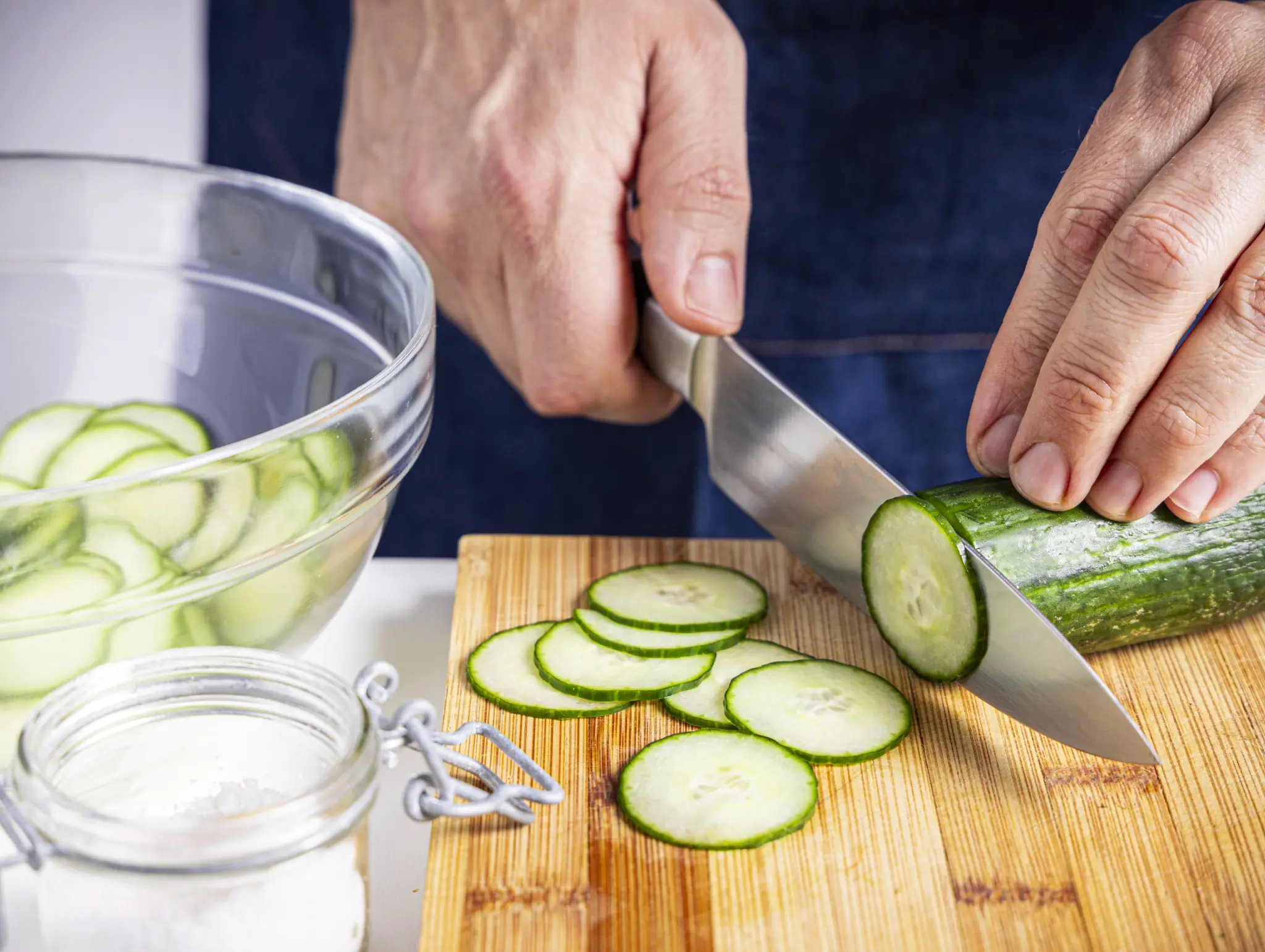
9. Fresh Cucumber, Pickled Cucumber, and Cucumber With the Skin: What Is the Difference?
Not all cucumber preparations have the same nutritional profile.
Fresh cucumber is mostly water and naturally low in calories. It can be eaten sliced, diced, grated, or added to salads and sandwiches.
Pickled cucumber is prepared using a brine or vinegar-based mixture. Depending on the recipe, it may contain substantial amounts of salt, sugar, or other ingredients. Pickles can still be enjoyed as part of a varied diet, but they are not nutritionally identical to fresh cucumber.
The difference is particularly important for people who need to monitor sodium intake. Some pickled products contain considerably more sodium than fresh cucumber.
Should You Peel Cucumber?
Whether to peel cucumber is largely a matter of preference, but keeping the skin can preserve some of its fiber and plant compounds.
The skin also adds texture and color. In salads, unpeeled cucumber slices often look attractive because the dark green outer edge contrasts with the pale interior.
However, peeling is reasonable if the skin is tough, damaged, unpleasant to eat, or unsuitable for someone with a particular dietary need.
The most important point is to wash fresh cucumber thoroughly before cutting or eating it. Dirt and microorganisms on the surface can be transferred to the flesh by a knife during preparation.
Wash your hands, use clean utensils, and store cut cucumber in a covered container in the refrigerator. Avoid leaving prepared salad at room temperature for extended periods, particularly in hot weather.
Does Cutting Cucumber Reduce Its Nutritional Value?
Cutting cucumber does not suddenly remove its nutritional benefits. However, like other fresh produce, cut pieces can gradually lose quality when exposed to air, warmth, and prolonged storage.
For the best texture, cut cucumber shortly before serving when practical. If preparing it in advance, store it in a clean, covered container in the refrigerator.
If cucumber becomes slimy, develops an unpleasant smell, or shows visible signs of spoilage, discard it.
These simple food-handling habits help preserve freshness and reduce the risk of foodborne illness.
10. The Best Ways to Add More Cucumber to Everyday Meals
One reason cucumber is so easy to recommend as an everyday vegetable is its versatility. It does not require long cooking times, has a mild taste, and works with ingredients from many different cuisines.
People who do not enjoy large salads can still include cucumber in smaller amounts throughout the day.
Add It to Breakfast
Thin cucumber slices can be served with eggs, whole-grain toast, or a savory sandwich. They add moisture and crunch without making breakfast complicated.
Cucumber also pairs well with plain yogurt, herbs, and a little lemon juice. This combination can be used as a dip or spread.
Include It in Lunch
Cucumber is an easy addition to sandwiches, wraps, rice bowls, and noodle salads.
It can add freshness to meals containing chicken, fish, tofu, or beans. Because its flavor is mild, it usually combines well with stronger ingredients such as herbs, garlic, citrus, and spices.
Use It as an Afternoon Snack
Cut cucumber into sticks and serve it with hummus or a yogurt-based dip. This creates a more satisfying snack than cucumber alone because the dip contributes additional protein, fat, or fiber, depending on its ingredients.
For a simple option, sprinkle cucumber slices with a little lemon juice and fresh herbs.
Add It to Water
Some people enjoy placing cucumber slices in a jug of drinking water. This gives the water a light, fresh flavor and may make it more appealing to those who dislike plain water.
Cucumber-infused water is not a detox treatment. The body already has organs, including the liver and kidneys, that perform essential waste-processing functions. The drink is simply a flavored way to consume water.
Try a Quick Cucumber Salad
A simple salad can be prepared with cucumber, tomato, red onion, lemon juice, olive oil, and herbs.
For a more substantial meal, add chickpeas, boiled eggs, tofu, or grilled fish.
The advantage of this approach is that it makes vegetables convenient. Healthy eating is often easier to maintain when preparation is simple and ingredients are readily available.
11. How Much Cucumber Should You Eat?
There is no special daily cucumber requirement.
Cucumber can be included in portions that suit an individual's appetite, preferences, and overall dietary pattern. A few slices in a sandwich, a small bowl of salad, or a larger serving alongside a main meal can all contribute to vegetable intake.
The key is not to treat cucumber as the only vegetable that matters.