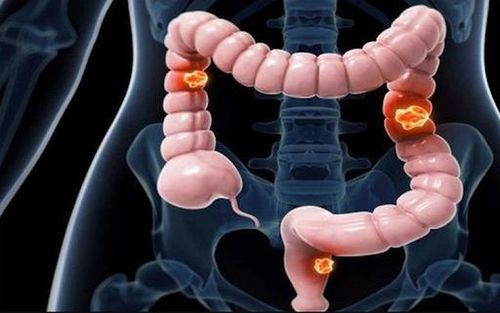
Colon cancer is one of the most common types of cancer worldwide, yet it is also one of the most treatable when detected early. In stage 1, the cancer is still limited to the inner layers of the colon, which means early recognition can significantly improve outcomes.
The challenge is that early-stage colon cancer often presents subtle symptoms that are easy to overlook or mistake for minor digestive issues. Being aware of these warning signs can make a critical difference.

Why Early Detection Matters
At stage 1, treatment success rates are high because the cancer has not spread beyond the colon wall. However, ignoring early symptoms may allow the disease to progress silently.
Listening to your body and recognizing small but persistent changes is key to early diagnosis.
1. Changes in Bowel Habits
One of the earliest and most noticeable signs is a change in your normal bowel routine.
What to look for:
- Persistent diarrhea or constipation
- Alternating between the two
- Changes in stool frequency or consistency
If these changes last for more than a few weeks without a clear cause, they should not be ignored.
2. Blood in the Stool
Blood in the stool is a warning sign that always requires attention.
It may appear as:
- Bright red blood
- Dark or tarry stools
Even small amounts of blood can indicate irritation or abnormalities in the colon. While it may be caused by less serious conditions, it is essential to rule out colon cancer.
3. Abdominal Discomfort or Cramping
Mild but persistent abdominal pain can be an early symptom.
Common sensations:
- Cramping
- Bloating
- A feeling of fullness
These symptoms may come and go, which is why they are often dismissed. However, ongoing discomfort should be evaluated.
4. A Feeling of Incomplete Bowel Movement
Some individuals experience the sensation that their bowel movement is not fully complete.
Signs include:
- Constant urge to use the bathroom
- Feeling of pressure in the rectum
- No relief after a bowel movement
This can occur when something is obstructing normal bowel function.
5. Unexplained Fatigue
Fatigue may seem unrelated, but it can be an early indicator.
Why it happens:
- Slow blood loss from the colon can lead to anemia
- Reduced oxygen levels in the body cause tiredness
This type of fatigue is persistent and does not improve with rest.
6. Unintentional Weight Loss
Losing weight without trying is always a red flag.
Possible reasons:
- Changes in metabolism
- Reduced appetite
- The body using more energy to fight abnormal cells
Even small, unexplained weight loss should be taken seriously.
When Should You See a Doctor?
You should seek medical advice if:
- Symptoms persist for more than 2–3 weeks
- You notice blood in your stool
- You experience ongoing fatigue or weight loss
- There is a family history of colon cancer
Early screening tests, such as colonoscopy, can detect abnormalities before they become more serious.
Important Perspective
It’s important to remember that these symptoms do not always mean cancer. Many digestive conditions - such as infections or hemorrhoids can cause similar signs.
However, the key difference is persistence and combination of symptoms. If multiple warning signs appear or last over time, it’s essential to get checked.

Final Thoughts
Stage 1 colon cancer often begins quietly, with subtle signals that are easy to miss. Paying attention to changes in your body - especially your digestive habits can help you catch potential issues early.
Awareness is your first line of defense. By recognizing these six early warning signs and seeking timely medical care, you can take proactive steps toward protecting your health and improving long-term outcomes.